Gemini Enterprise: What It Is and When to Pilot
Gemini Enterprise explained for IT leads: Gemini agent availability, connectors, identity, spend caps, pricing and a 30-day Plus pilot.
Published
 By Omid Saffari


Gemini Enterprise is worth a bounded pilot if you need work handed off across company systems and can verify the required features in your tenant. Google offers a 30-day no-cost trial of the Plus edition, but its product page still labels multi-step background tasks, mobile and desktop, and third-party model choice early access. Treat the Gemini agent launch as a reason to evaluate one finished workflow, with an owner, a spending limit and review time included.
Verified on 9 October 2026 against Google's current product page, 8 October launch announcement and the documentation linked below. This is a documentation-based buying analysis; it does not claim hands-on availability testing.
What Is Gemini Enterprise After Gemini at Work?
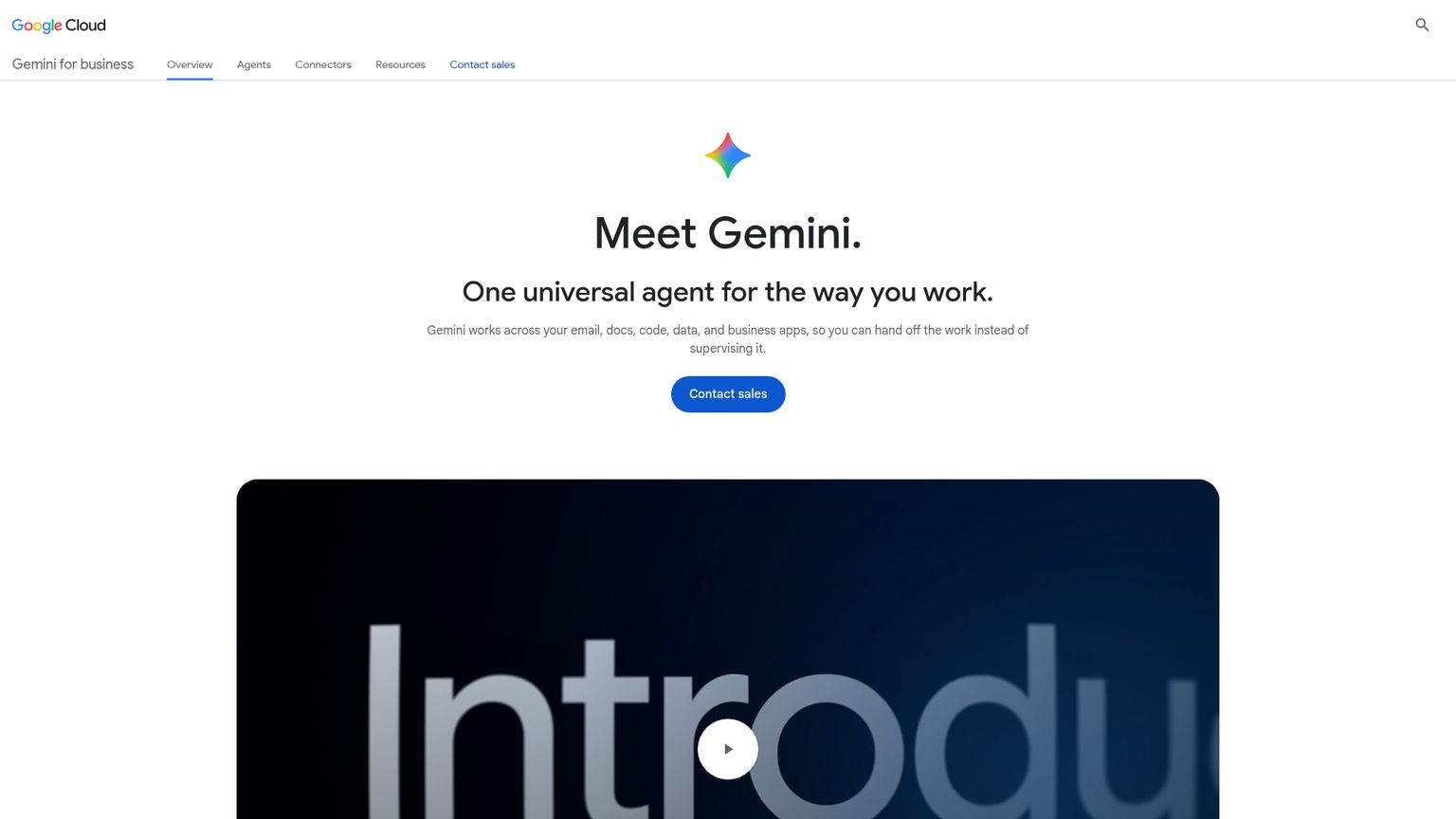
Gemini Enterprise is Google's workplace AI offering for searching company information and delegating work across connected systems. The October announcement introduces the Gemini agent as a “universal agent for work”: it plans an objective, uses connected tools and routes work between models. The business consequence is a different purchasing question. Can a defined job move from request to accepted deliverable without a person supervising every intermediate step? Edition documentation, Google's launch announcement.
An agent is software that uses tools to carry out a task. A model supplies the underlying reasoning and generation. A skill is reusable guidance for doing a particular kind of work. Keeping those concepts separate helps you write an evaluation brief: the requested outcome, the permitted systems and the acceptance criteria matter more than the name of the model underneath.
Consider a sales operations lead preparing an account handoff. The desired deliverable is a brief that reconciles the customer record, the latest approved proposal and unresolved implementation questions. The useful evaluation asks whether the agent produces that brief with checkable sources and an explicit list of missing information. A polished summary that silently ignores the disputed contract term fails the job.
Gemini Enterprise Agents: Temporary Helpers and Coworkers
The launch describes temporary sub-agents for individual jobs and persistent coworker agents for team roles. A coworker receives its own Google Workspace account, including email, calendar, Drive and directory presence, and acts under its own identity with context shared with it. Long jobs are described as continuing in the cloud after the laptop closes. These are announced capabilities whose availability still needs checking. Google's coworker and execution description.
For an operator, that distinction changes ownership. A temporary helper can disappear when the assignment ends. An ongoing project coordinator needs someone responsible for its access, its instructions and the documents it leaves behind. Ask who maintains that role when the original creator changes jobs.
Treat a proposed coworker like a service account with a job description. Specify the work it owns, the information it may read, the actions it may take and the person who accepts its output. An account in the company directory provides an addressable identity. Your business still needs a human accountable for the result.
What Works Today, and What Is Early Access?
The current documents support a narrower commitment than the launch's full vision. Google's edition table lists existing search, answers and task surfaces; the product page explicitly limits availability for several new agent experiences. A feature appearing in a launch description does not establish that it is enabled for your organization.
The table reports what the sources say. It does not certify general availability for every feature or prove that an advertised action works with your authentication setup.
If Claude availability is a condition of your purchase, obtain confirmation for your edition and tenant before starting the dependent workflow. If a browser-based search and drafting pilot is valuable on its own, evaluate that narrower scope without assigning value to an unconfirmed feature.
An early-access label is a dependency to manage. Put the required feature beside the business job in the pilot brief. Record whether it is enabled, who confirmed it and what the fallback is. That small record prevents an attractive demo from becoming an assumed production commitment.
Which Connectors Does Google List?
Google lists enough connections to make Gemini Enterprise relevant to companies on either Google Workspace or Microsoft 365. A connector is an integration that gives the agent access to an external source or tool. Its presence in a directory is the beginning of an integration assessment.
The current product page names Microsoft 365, Slack, Confluence, Google Workspace, GitHub, Jira, Salesforce, ServiceNow, BigQuery, HubSpot, Notion and Asana. Its FAQ gives Outlook, Teams and OneDrive as Microsoft examples; Docs, Gmail and Drive as Workspace examples; and also names Linear, Monday, Smartsheet, GitLab and Docusign. Google's listed integrations.
The separate connector directory includes Microsoft SharePoint and describes individual operations. Some descriptions emphasize finding or summarizing information; others specify creating or updating records. Reading an incident and changing its status are different permissions and different pilot requirements.
For an IT lead on Microsoft 365, choose a deliverable that needs a Microsoft source and a separate business system, such as an account brief using approved SharePoint material and customer records. Confirm which documents the connection exposes, which identity authenticates and whether the required operation is supported. Do the equivalent with Drive and your customer system on Workspace.
Google's product FAQ says it indexes selected sources while keeping data where it lives. That statement does not replace a review of indexing, processing and retention for your configuration. For a pilot, identify the selected repositories rather than granting access to an entire departmental archive by default.
Gemini Enterprise MCP: A Route to Custom Tools
Model Context Protocol, or MCP, is a standard way to expose tools and data to an agent. Google describes connections to MCP servers inside or outside a company network. Launch documentation.
For a builder, that creates an integration route when a named connector does not cover the job. It also creates work: someone must maintain authentication, define the tool's allowed actions and handle errors. Write down the required read or write operation before commissioning a custom connection. A generic ability to connect says little about whether your exact workflow is ready.
Governance: Give Every Agent an Owner and a Boundary
The governance requirement is traceable authority: you need to know which identity acted, what it could touch and what stopped it. Google describes per-agent identities, an agent-attributed audit trail and project spending caps that pause execution. Treat those as controls to demonstrate during the pilot. Google's governance and cost-control announcement.
Identity makes the work attributable. A coworker's identity needs a human owner and a role narrow enough to describe. For a launch coordinator, provide the approved launch material and the relevant team space. Keep unrelated personnel documents outside that scope. Verify a permitted access and a denied access rather than accepting a role name as proof of the boundary.
The audit trail needs to answer an operational question. Pick a completed assignment and ask an administrator to reconstruct the source access, actions and resulting artifact. Can the reviewer identify the acting agent? Can the business owner connect that record to the deliverable? Store the evidence needed to explain a disputed output later.
The spending stop is project-based. The announcement says a project's cap covers monitored token usage and sandbox costs and pauses its agent when triggered. It is not described as an independent allowance for every coworker. Define who can resume a paused job and what happens to an unfinished deliverable.
A pause is a successful budget control and a possible missed deadline. For a recurring report, the workflow owner needs a visible incomplete state and a fallback process. Do not count a partly prepared report as a completed handoff simply because the spending limit behaved correctly.
Google also describes Agent Sandbox and Agent Gateway boundaries. Ask for the configuration relevant to your pilot, including where code can run and which destinations tools can reach. Those answers determine whether the proposed work fits your organization's operating rules; the presence of a named control does not establish your policy settings.

For ongoing use, add an offboarding exercise. Identify who will remove a coworker's access, preserve useful artifacts and reassign scheduled responsibilities. The practical value of an independent identity is that you can manage it. That management needs an owner before the pilot expands.
Pricing, Editions and the Plus Trial
Contact sales for the edition price and confirm the trial terms. Google's current product page has no edition price grid. The edition and licensing pages checked for this piece also do not state monthly edition prices. A public seat-price comparison cannot be computed from those pages today. Current product page, edition documentation.
Gemini Enterprise Free Trial: 30 Days of Plus
The product page offers Gemini Enterprise Plus edition at no cost for 30 days, without sales assistance. This is the trial offered on the page, not a guarantee that all early-access features are included or enabled. Google's trial offer.
Before starting the clock, have the workflow, owner and source-access approvals ready. Ask what is included, which separate services or overages could be charged, and what happens when the trial ends. A no-cost license offer does not eliminate the cost of configuring sources, reviewing work and supporting users.
Gemini Enterprise Standard and Plus
Google's edition documentation lists the full connector ecosystem, enterprise security and compliance, and externally built full-code agents for Standard and Plus. It lists 30 GiB of pooled storage and data indexing per user for Standard and 75 GiB for Plus. These are documented indexing allowances, not a measure of accepted work or answer quality. Edition comparison.
Choose between them against the repositories and controls your pilot requires. Ask Google to price that scope and explain the applicable quotas. A larger allowance only has buying value when your selected sources need it.
Gemini Enterprise Business
Business is documented with selected connectors and basic agent governance, while the full connector ecosystem and enterprise security/compliance rows are checked for Standard and Plus. Use the edition table to confirm your required capability before choosing a smaller scope. Google's edition matrix.
There is also a procurement detail for IT: Google's licensing documentation sets a 25-seat direct-console limit for self-serve or resold billing accounts and 1,000 seats for invoiced accounts. Larger purchases require a sales route or exemption. Those are console purchasing limits, not universal user ceilings for the editions. Licensing documentation.
Compute the Budget Ceiling From Accepted Work
Use the pilot to establish the cost of an accepted handoff. Count review, corrections, administration and failed attempts alongside the software bill. Until Google supplies your quote and applicable meters, the useful calculation is the maximum cost your workflow can support.
The review assumption decides the example. If review takes 10 minutes instead of 5, it consumes 80 hours. After the same 32 administration hours, only 8 hours, valued at $400, remain for software. The hypothetical $600 of other spend already exceeds that ceiling before a seat is purchased.
Replace every assumption with your pilot's observations. Released capacity has financial value when it handles more work, avoids spending or relieves a genuine bottleneck. It does not automatically become cash savings. Keep ongoing administration and one-time setup visible separately so the next budgeting period uses the right costs.
For software that calls model endpoints, use the API section of Gemini pricing. This enterprise-agent evaluation needs its own edition quote and workflow cost model.
What It Means for Operators, IT Leads and Builders
Operators should pilot a deliverable with a clear acceptance bar. Choose recurring work whose sources and reviewer are known, such as an account handoff or a project update. Define completion as an accepted artifact, including unresolved questions. A response in the prompt window is an intermediate output until someone can use it.
IT leads should make access and availability part of the buying decision. On Workspace, evaluate the coworker's account and sharing boundary if enabled. On Microsoft 365, prove the required Microsoft connection and operation. In either case, assign someone to integration maintenance and the spending stop. A pilot whose essential feature is unavailable should wait or be rescoped to a useful available job.
Founders should act when fragmented work has a measurable cost. A company with documents, customer context and delivery updates spread across systems has a plausible evaluation case. A founder who mainly needs occasional drafting has less reason to fund an integration project. State the recurring bottleneck and its current cost before involving procurement.
Builders should retain explicit workflow control where it matters. Google's Workflow Builder documentation describes chat agents and step-based workflows with human intervention, constrained by administrator-provisioned tools and permissions. Use that distinction to decide which parts of a job may vary and which require a defined sequence or release approval.
For a broader platform decision, the AI agent platforms guide provides the surrounding options. The decision here turns on whether Gemini Enterprise can complete your company workflow under the controls and economics you require.
Gemini Enterprise vs. ChatGPT Enterprise and Microsoft 365 Copilot
ChatGPT Enterprise and Microsoft 365 Copilot already have maker-documented agent and integration capabilities. Gemini's universal-agent positioning is not evidence that competitors lack delegated work. Compare the same task, account permissions and acceptance criteria across the products you can actually enable.
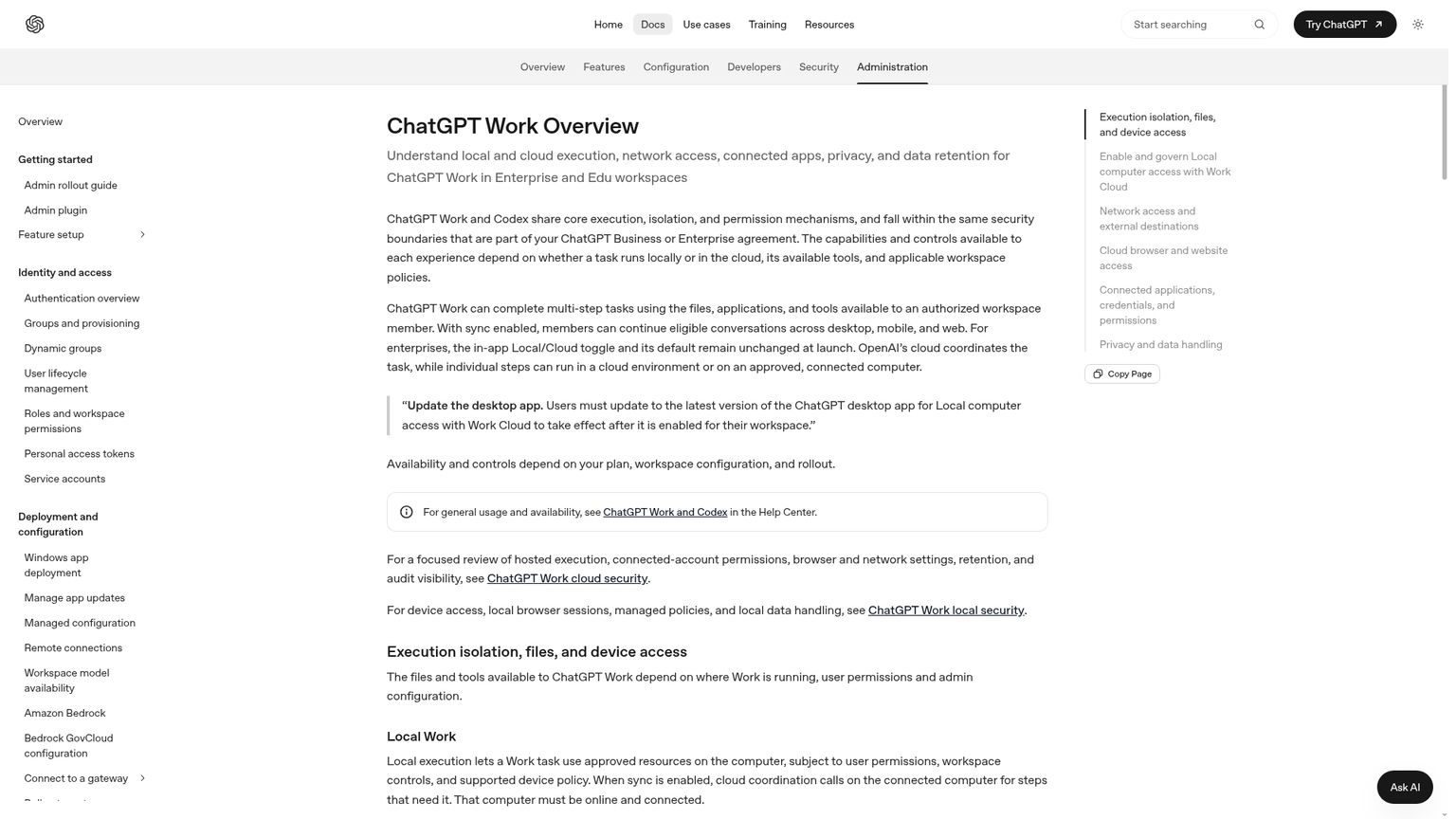
ChatGPT Enterprise's current Work documentation says shared or agent-owned connections use the connected account's permissions, which can differ from the requesting person's. Some integrations support read-only or selected-action restrictions. Confirm that account boundary before delegating your chosen task.
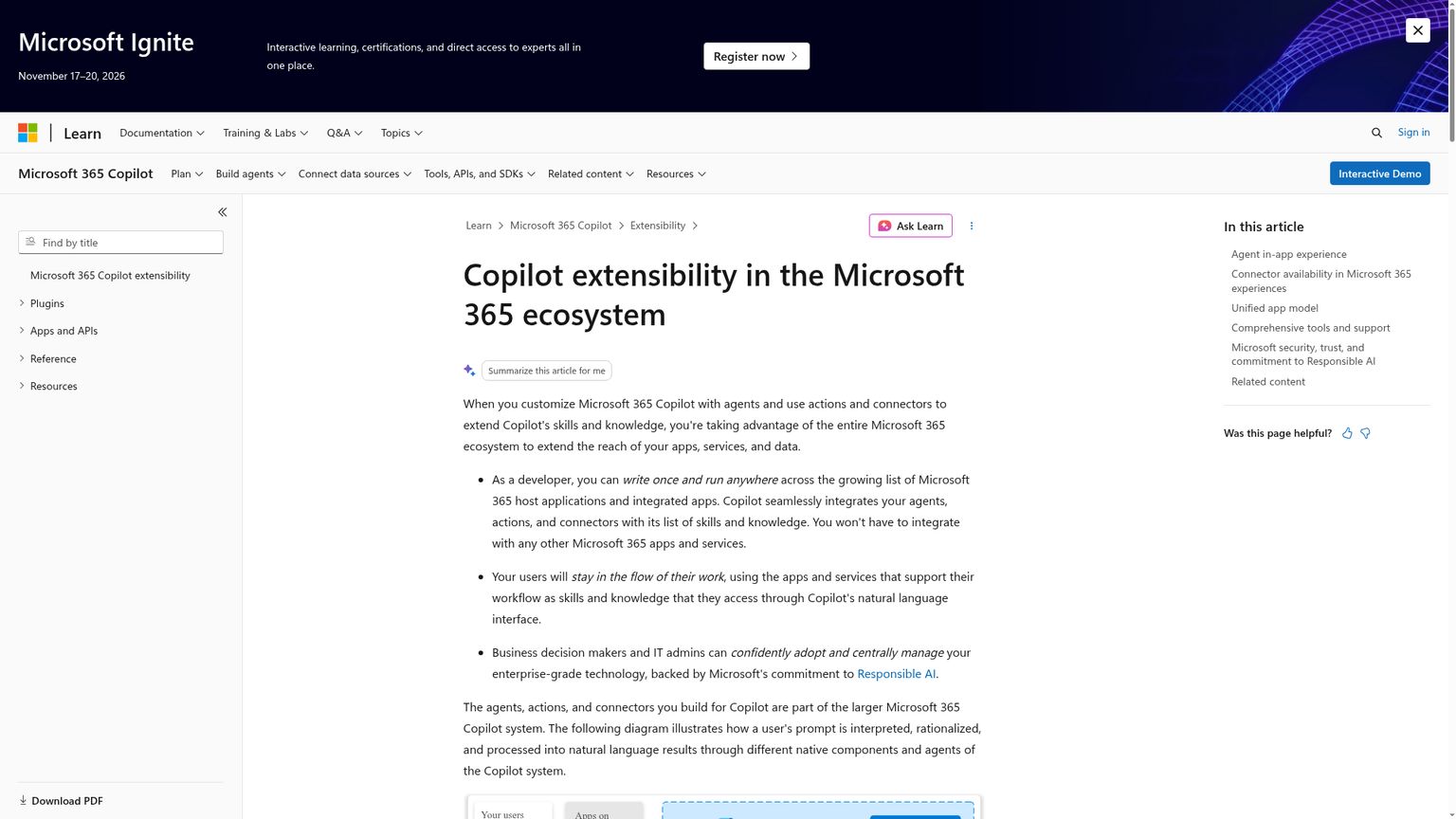
Microsoft 365 Copilot's ecosystem documentation distinguishes synced connectors that index external content from federated connectors that retrieve it through MCP. Microsoft also documents agent administration and existing user data-access controls. A Microsoft-centered IT organization should include that path in its evaluation.
These descriptions establish comparison dimensions, not a performance winner. Keep any alternative's licensing, enabled features and review burden in the same cost model before deciding to switch.
What Is Overhyped?
The overstatement is treating a universal interface as proof of universal readiness. The product-page availability labels alone rule out that assumption. Your workflow still depends on enabled features, correct connections and an output somebody accepts.
Model routing may make cost allocation more flexible, but no savings percentage belongs in the budget without your workload and billing evidence. An agent can use a cheaper model and still consume too much labor through corrections. Measure the accepted outcome rather than celebrating the route it took.
An independent coworker identity improves attribution; it does not transfer business accountability to software. A spending cap limits spend; it does not promise that the job finishes within the cap. A connector name demonstrates a potential connection; it does not authorize every action in the source system.
The durable decision rule is to adopt when available capabilities, controlled access and net workflow value all hold together. Wait when an unavailable feature is essential. Keep your current workflow when the integration and review burden exceeds the work it would remove.
The Monday Move: One Workflow, Two Source Systems
Start with a workflow you can inspect from request to accepted result. The trial should end with evidence that procurement and the workflow owner can use, including the failures and the human time required.

Write the job and assign owners
Choose one deliverable and two representative source systems. Name the business reviewer and IT owner. Define what a complete result contains, what evidence supports it and which missing information requires escalation.
Confirm availability before starting the trial
Check your edition, required connectors and allowed operations. Obtain tenant-specific confirmation for background work, a coworker account, the required device or Claude if the job depends on them. Record the available scope and get the post-trial quote.
Prove access boundaries
Provide a small approved source set. Test an allowed document and a document the acting identity must not access. Specify which outputs stay drafts and who authorizes any external or record-changing action.
Demonstrate the stop and the record
If the agent spending cap is enabled, use a controlled job to verify its pause behavior and identify who can resume it. Reconstruct an assignment from the audit record. Decide how the business notices and handles an incomplete task.
Measure accepted work and make the buying decision
Record manual baseline time, review and correction time, failed attempts, administration and actual incremental spend. Expand only when the result is useful, the boundary holds and net value covers the quoted costs. Rescope or wait when the required capability is unavailable; retain the current process when the economics fail.
For future AI buying decisions grounded in current documentation and workflow economics, join the newsletter.
- Published
- Category
- AI
- Language

Marblism Review
Marblism's seven AI employees, current plans, shared-hour costs, dated public reviews and the jobs that still need human approval.Oct 9, 2026AI
Claude Haiku vs Sonnet
Haiku 5.5 vs Sonnet 5.5 for ticket classification, long summaries and coding subagents, with current API rates and three monthly budgets.Oct 8, 2026AI
Claude Haiku 5.5: Pricing and When to Switch
Claude Haiku 5.5 pricing, the 100K prompt threshold, and a monthly bill versus Haiku 4.5 and Sonnet 5.5. Which work should you move?Oct 8, 2026AI
Otter AI Alternatives: Granola, Krisp, MeetGeek, Circleback and Claap
Choose Granola, Krisp, MeetGeek, Circleback or Claap by the job. Compare live prices, free limits, bot-free capture and CRM handoffs.Oct 8, 2026AI
Mistral Large 4: Pricing, Open Weights, and When to Use It
Mistral Large 4: verified API prices, the launch offer, claimed benchmarks, and when to test the preview or wait for self-hosting.Oct 7, 2026AI
Lindy AI Review (Verified October 2026)
Lindy AI review: current plans, credit costs, email and meeting setup, integration limits, and when Gumloop, n8n or Marblism fits better.Oct 7, 2026AI
Mistral Pricing (2026): API Costs and Vibe Seats
Mistral API rates, Le Chat and Vibe plans, free limits, EU hosting costs and a worked monthly bill. Verified October 2026.Oct 6, 2026AI