Google Pics Rolls Out August 18: Why It Won't Replace Canva Yet
Google Pics arrives for eligible Workspace accounts on August 18. See who gets it, what it edits, the plan cost, and why Canva still stays in the stack.
Published Updated
 By Omid Saffari



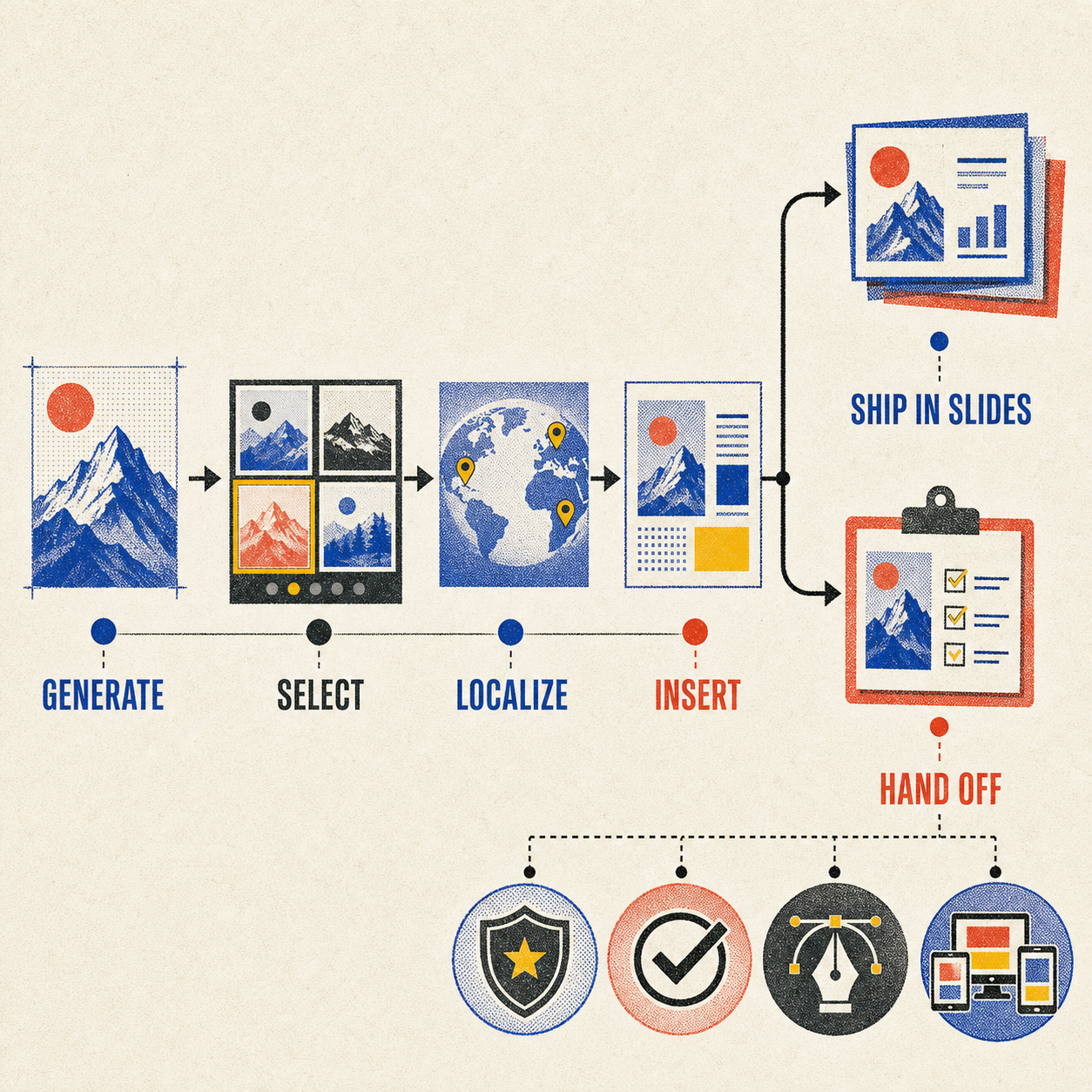
Google Pics starts rolling out to eligible Workspace accounts on August 18, but it is not a Canva replacement. Its real win is narrower: generate an image, select one object, fix or translate its text, and place the result into Slides without leaving Google's workspace.
The August 18 rollout, in one table
Google Pics is becoming a real Workspace product on August 18 for selected business and education accounts. The launch matters because it puts image generation and targeted editing beside the documents and presentations teams already use, with no separate Pics license fee reported for qualifying subscriptions.
The current access picture has two layers. Gemini Alpha is the early-access route available now, and an administrator must turn it on. The broader August rollout is reported to be enabled automatically for qualifying organizations, with an administrator control to turn it back off.
The plan list and August date come from current rollout reporting. Google's live Alpha matrix independently confirms Pics access for Business Standard/Plus, Enterprise Standard/Plus, and Google AI Pro for Education before general availability.
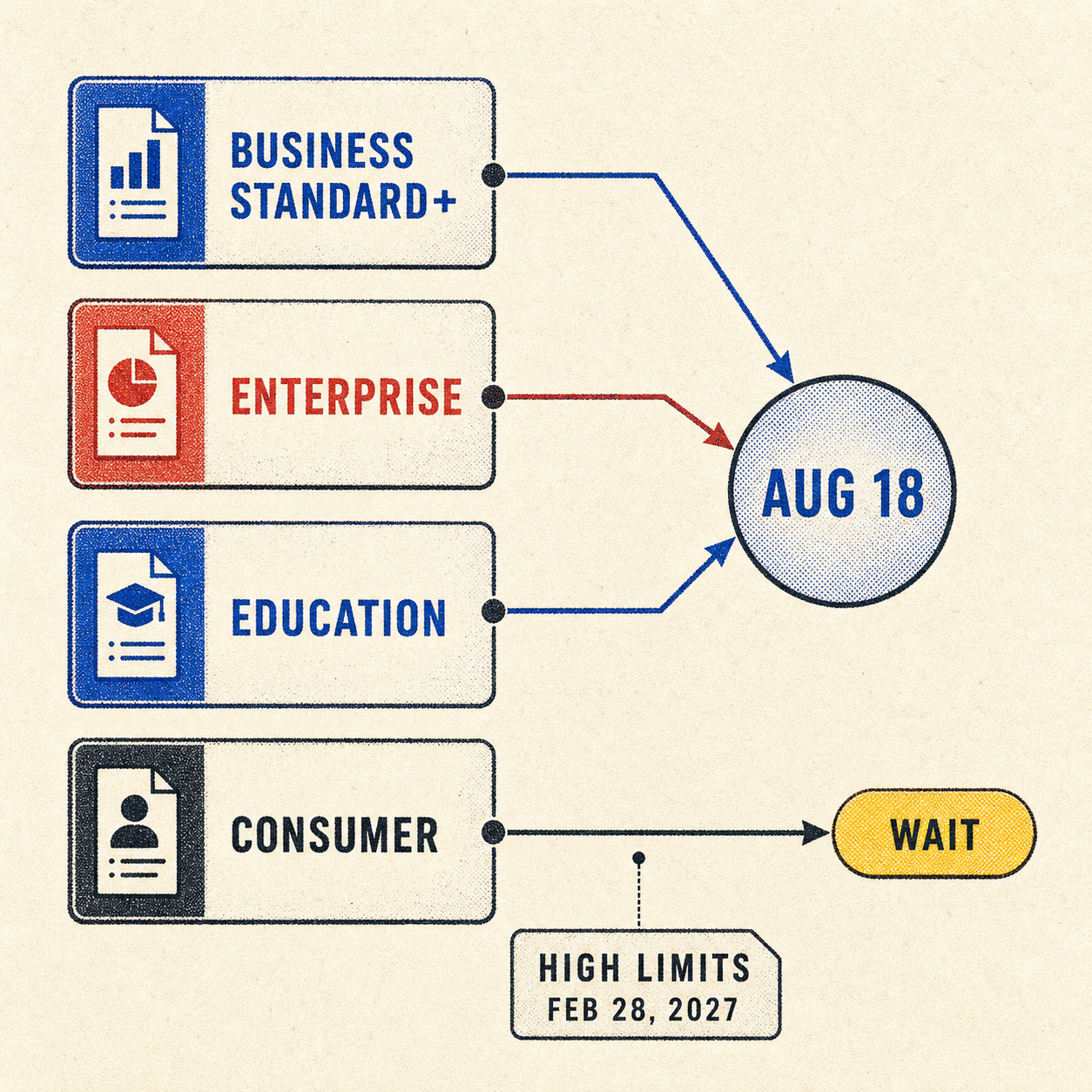
Google is also reported to be granting higher generative-AI access through February 28, 2027. That is a runway for a pilot, not a permanent capacity promise. Google already warns that Alpha features may receive usage limits when they become generally available.
What Google Pics actually does
Google Pics is an image generator with a targeted repair layer, not just another prompt box. It uses Google's Nano Banana model, then adds controls for the parts that usually force a designer to regenerate an entire image.
The key term is object segmentation. Segmentation means the system separates one object from the surrounding pixels so you can select that object and change it without rebuilding the whole composition. Google's documented controls let you move, resize, or transform an individual object, update one area, and edit or translate text inside the image.
That changes a familiar creative failure. Imagine a regional campaign poster for a coffee shop:
- The first generation gets the mood and layout right, but the product cup is too large.
- The English offer line needs a French version without losing the visual treatment.
- The finished graphic belongs in a sales deck that already lives in Slides.
A prompt-only tool makes you ask for another full image and hope the good parts survive. Pics is designed to let you isolate the cup, resize or replace it, edit the offer line, and place the corrected image into Slides. This is the difference between rerolling a slot machine and directing a specific revision.
Lock the job before the prompt
Write the intended format, audience, subject, hierarchy, and required copy. A useful brief is "one landscape sales-slide graphic, ceramic coffee cup on the right, offer line on the left, room for a chart below," not "make a nice coffee ad."
Generate the base image
Use Pics for the first composition. Judge hierarchy, subject placement, and negative space before spending time on small corrections.
Select the failed object
Use the object control to isolate the cup, chair, product, or other element that is wrong. Move, resize, transform, or replace only that element so the approved composition stays intact.
Correct and localize the copy
Edit the text in place or translate it. Check every character manually, especially prices, dates, product names, and legal lines.
Place it in the real deliverable
Add the result to Slides or save it to Drive. Review it at the size the audience will see, not only inside the editor.
The underlying model and the Workspace product are separate buying decisions. The Nano Banana Pro pricing breakdown covers model economics; Pics earns its place by wrapping image generation in a more directed editing flow.
Google Pics vs Canva and Adobe Express
Google Pics beats Canva and Adobe Express only when the job begins and ends inside Workspace. Canva and Adobe remain the stronger documented choices when one image must become a governed, reusable campaign system.
Canva is built around repeatable brand production, not only image repair. Its current business feature set documents Brand Kit support for up to 100 brands, Brand Templates, Magic Switch for channel resizing, Design Approvals, Brand Controls, team folders, and real-time collaboration.
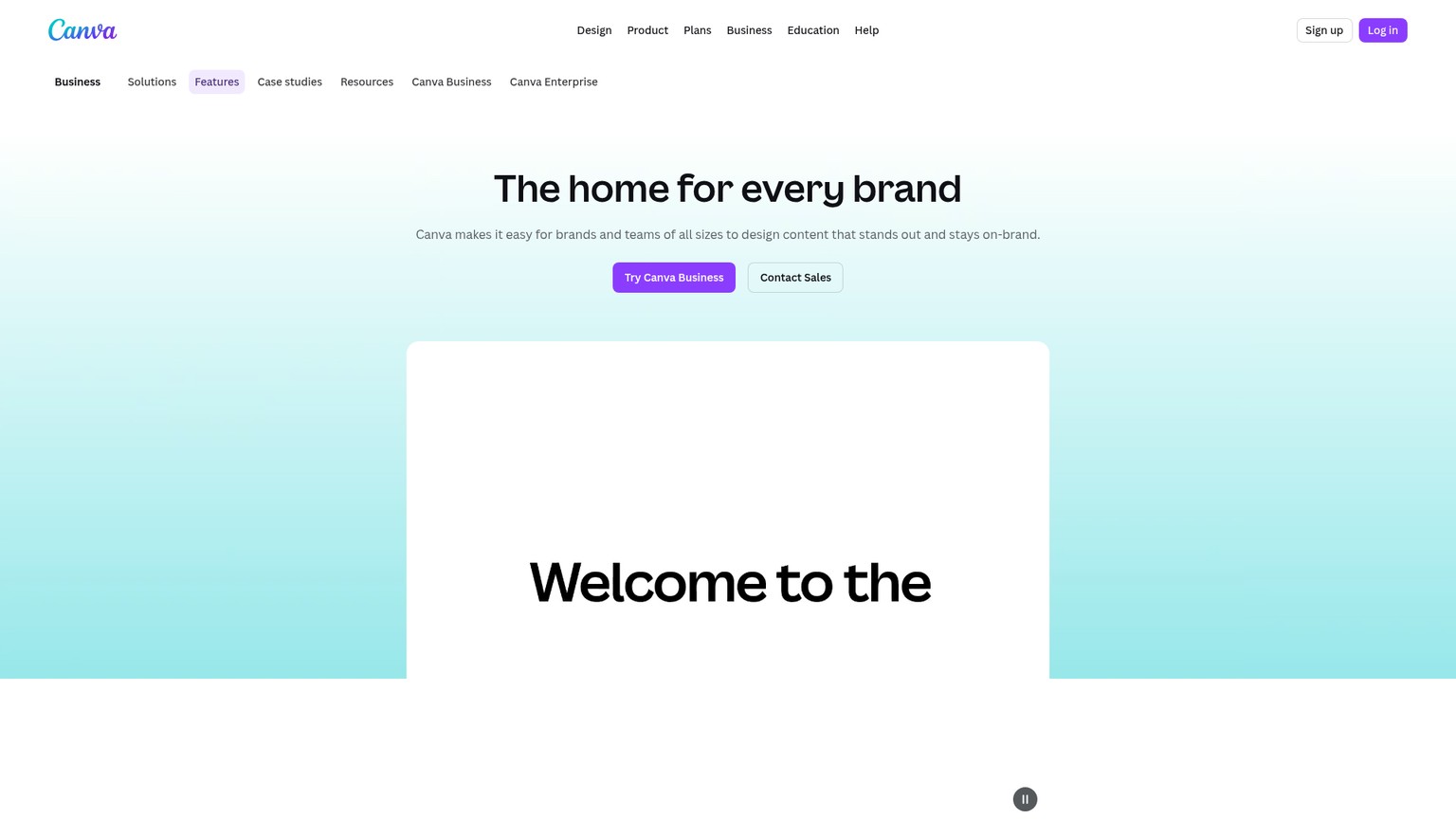
That surrounding system is the reason an isolated object-editing win does not equal a suite replacement. A regional marketer needs to lock fonts, approve the master, resize it for several channels, and let local teams change only approved fields. Pics currently documents the image edit and Slides/Drive handoff. Canva documents the governance around the asset.
Adobe Express takes the same argument in a different direction. Its current page documents 220,000+ professional templates, 30,000 licensed fonts, one-click actions, bulk creation and resizing, built-in brand controls, cross-platform social scheduling, and syncing from Photoshop and Illustrator.
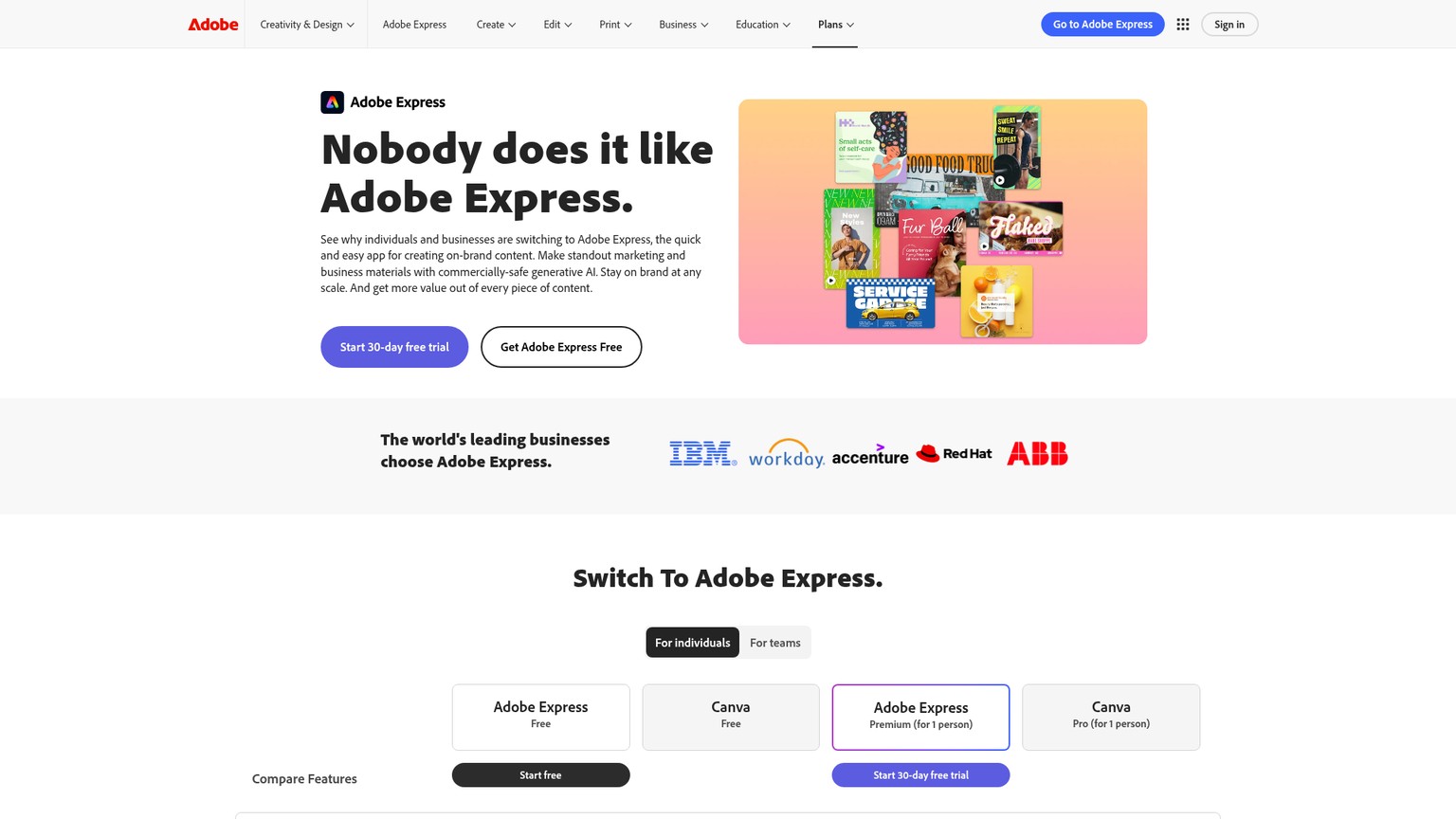
Adobe is the better documented bridge when a non-designer starts the asset in Express and a specialist finishes it in Photoshop or Illustrator. Google has not documented an equivalent production handoff for Pics.
This is also why the Canva AI 2.0 workflow analysis remains relevant. Editable imagery is valuable, but the billable work often lives in the system around the image: hierarchy, approvals, versions, exports, and brand consistency. Teams ready to leave Canva should compare mature Canva alternatives, not assume a new image editor covers the same surface.
The real cost is the Workspace seat, not an image-app fee
Google Pics has no separate license fee reported for qualifying accounts, so its practical price is the Workspace plan beneath it. That makes it cheap for a team already paying Google and surprisingly expensive for a team considering Workspace only to get the editor.
Google currently lists Business Standard at $14 per user per month with a one-year commitment, billed monthly. The flexible monthly price is $16.80 per user per month.
For a five-person studio, that is $70 per month on the annual commitment or $84 per month on flexible billing. If the team already needs Gmail, Drive, Meet, and Slides, Pics is an incremental benefit inside an existing cost. If the team runs Microsoft 365 and Canva, buying five Workspace seats solely for Pics creates another account system and another monthly bill before it removes a single existing tool.
The most expensive mistake is counting an unannounced capability as a future saving. Until Google documents a brand kit, approval flow, vector export, and publishing layer, set their replacement value to zero in the budget.
The rollout checklist for design and IT
The right pilot measures revision control, not how impressive the first image looks. First generations are easy to demo. The operational question is whether Pics preserves the approved parts while a team makes the fourth small change.
Confirm the entitlement and control
Check the exact Workspace edition and the Admin console state. If you enable Gemini Alpha before general availability, record which users or groups receive it and note that Google's pre-general-availability terms apply.
Choose one repeated brief
Use a real, recurring asset such as a product slide, event flyer, or localized social graphic. Avoid a one-off fantasy image that cannot reveal workflow savings.
Score revision stability
Ask for one object move, one object replacement, one text correction, and one translation. Reject the workflow if an isolated edit damages approved composition, type, or product detail.
Check the brand and legal boundary
Review fonts, color, product geometry, claims, dates, and required legal text. Google's image controls reduce rerolls; they do not remove human approval.
Define the handoff
Decide which assets may ship from Slides and which must move to Canva, Adobe Express, Photoshop, Illustrator, or another production tool. Write that boundary before broad access creates inconsistent files.
Google says Gemini Alpha receives the same Workspace data-protection standards as its other services. Its Business Standard page also says company data is not used for AI model training or ads. Those are meaningful contract statements, but they are not a substitute for checking retention, permissions, copyright, and regulated-content policy inside your own organization.
Who should use Google Pics, and who should wait
Eligible Workspace teams should use Google Pics as a precise image layer, not declare a design-stack migration. The value is highest where Slides and Drive already own the final deliverable.
The blunt call is simple: Pics can remove image-repair friction before it removes a design subscription. That is still a useful product. It is just a smaller, more credible promise than "Canva killer."
How can I get access to Google Pics?
Eligible Workspace administrators can enable Gemini Alpha now for supported users or groups. The broader rollout is reported to begin August 18 for selected business and education editions.
When will Google Pics be available for everybody?
Google's current product page says Pics will expand in the coming months for Workspace Business Standard and higher plans plus Google AI Pro and Ultra subscribers. It does not publish one universal consumer date.
Is Google Pics included with Workspace Business Standard?
Business Standard appears in Google's current Alpha eligibility matrix and in the reported August rollout. The plan currently costs $14 per user per month with a one-year commitment or $16.80 on flexible monthly billing.
Can Google Pics replace Canva?
Not for a governed, multi-channel brand workflow. Pics can replace several generation and repair steps when the finished image belongs in Slides or Drive, while Canva still documents the brand kit, approvals, resizing, and collaboration around that image.
Get the next operator-ready AI and design release note in the newsletter.
- Last Updated
- Category
- Design
- Language

Beautiful AI Review
Beautiful.ai review: Smart Slide guardrails, current pricing, Team seat ambiguity, AI features, export limits and when Gamma is the better fit.Oct 10, 2026Design
Nano Banana 2.1 Explained: Pricing, Changes, and When to Switch
Nano Banana 2.1 cuts 1K and 2K image costs about in half. Compare monthly budgets, verify the migration, and decide when Pro earns its premium.Oct 8, 2026Design
ElevenLabs Alternatives: Murf, MAI-Voice-2, OpenAI TTS and Cartesia (Verified October 2026)
Compare ElevenLabs, Murf, MAI-Voice-2, OpenAI, Cartesia, Google and Speechify by studio or API job, with verified prices and switching costs.Oct 4, 2026Design
Higgsfield API Pricing
Price Higgsfield API video and image jobs, separate API dollars from app credits, and check top-ups, expiry and cashback before scaling.Sep 27, 2026Design
Is Gemini Live Avatar Free
Check Gemini Live Avatar access, Enterprise API charges and custom-avatar limits before budgeting a customer-facing video agent.Sep 27, 2026Design
Gemini 3.8 Flash TTS Pricing
Price Gemini 3.8 Flash TTS by audio minute, compare Flash-Lite and service tiers, and budget the January 2027 increase.Sep 24, 2026Design
ngram vs Demosmith
Compare ngram and Demosmith for product videos, browser capture, revisions and usable exports, with costs matched to the same job.Sep 19, 2026Design