SurveyMonkey Pricing: Plans, Response Caps and Annual Bills
SurveyMonkey prices, response caps and AI limits, with annual bills for one person and three-seat teams. See when overages change the best plan.
Published
 By Omid Saffari



SurveyMonkey pricing starts with a free Basic plan, but a three-person team pays at least $1,080 a year for Team Advantage. For one person surveying customers every month, Advantage Annual is usually the sensible paid starting point at $468 a year; for a team, shared response caps and $0.15 overages can change which plan costs less.
Verified against SurveyMonkey's live pricing pages, October 2026, checked October 10. All prices and worked bills below use US dollars. Annual monthly equivalents are paid for the year; calculations exclude taxes, purchased research participants and negotiated terms. Sources: team pricing and individual pricing.
SurveyMonkey is a survey creation and analysis platform for collecting customer, employee and market feedback. Choose it when the research and analysis work earns the subscription. If you only need a short customer questionnaire and a spreadsheet of answers, a simpler form builder may cost less.
Disclosure: purchases through partner links may earn a commission. Recommendations depend on the job, response volume and total commitment.
SurveyMonkey Pricing at a Glance
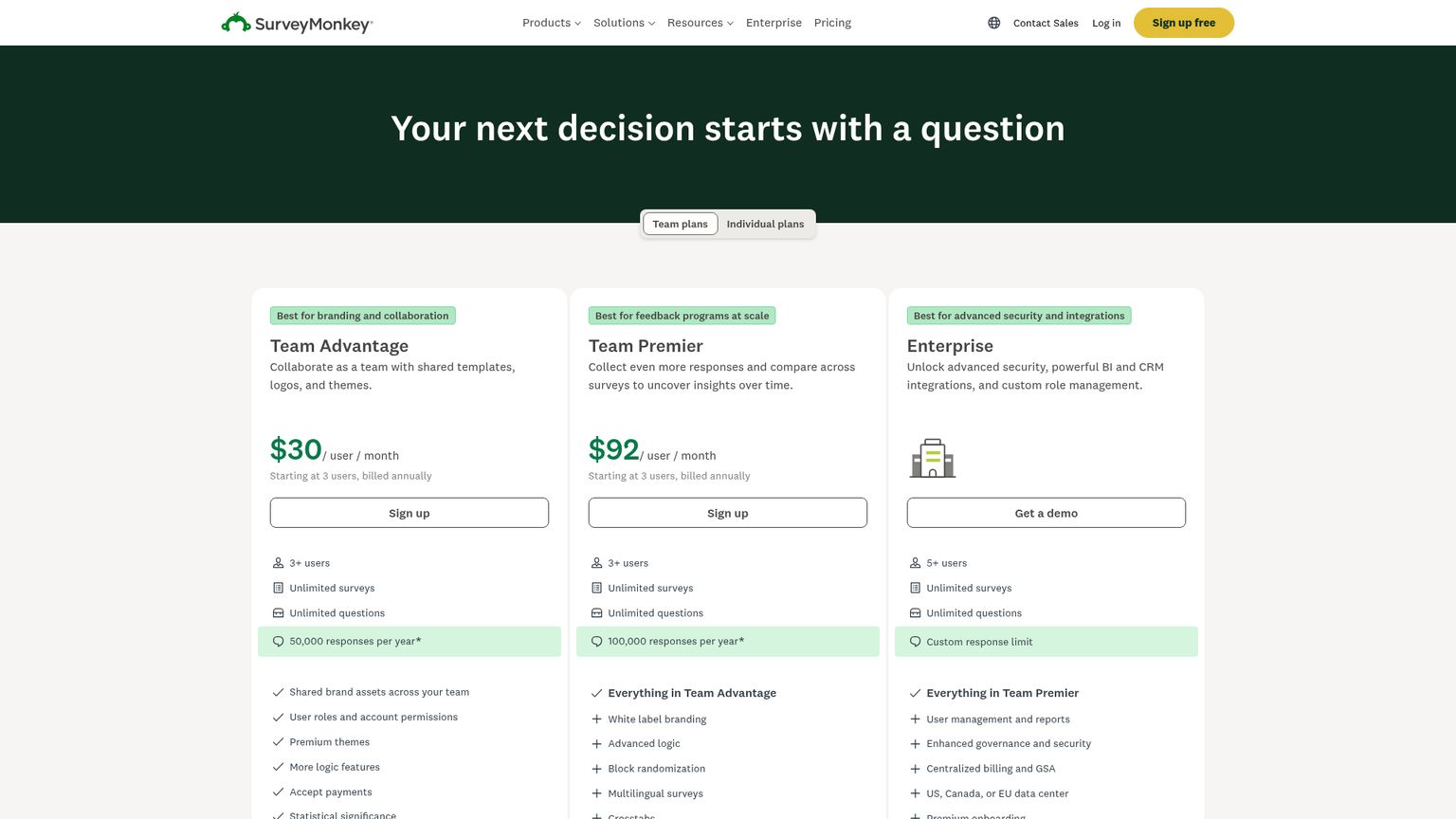
The lowest paid annual individual bill is $468; the lowest team bill is $1,080. The $30 team headline is a rate for each seat, with three seats required.
All these plans allow unlimited surveys. Paid plans allow unlimited questions, but unlimited surveys does not mean unlimited responses. The published self-service overage is $0.15 per additional response. Response-limit rules.
Use the amount actually billed to compare plans. At the minimum seat count, Team Advantage is equivalent to $90 a month for the account, while Team Premier is $276. Neither is a monthly team subscription.
Is Survey Monkey Free?
Basic is free, with one user, unlimited surveys and ten questions per survey. Its exact response allowance requires signup or login. The current public individual page says responses are limited per survey; it does not promise every account a universal numerical allowance.
That distinction matters before a local business sends a customer link. A survey can collect more responses than the Basic account lets you view. Check the displayed limit before sending, especially if the answers will decide stock, staffing or a product launch. Basic plan and limits.
You may never need to pay if you run occasional short polls, need only the available question types, and every survey stays within your account's viewable response allowance. A small workshop asking attendees which session to repeat is a plausible fit. A recurring customer research program with exports and larger samples has different needs.
Survey Monkey Free vs Paid
Pay for the missing work, not merely because the survey is for a business. Basic includes Build with AI, which helps draft a survey. That is different from analyzing returned answers with AI.
Standard adds practical collection tools such as skip logic, email invitations and data exports. Skip logic sends people to different questions based on their answers: a buyer can see a purchase question while a nonbuyer skips it. Advantage adds stronger analysis. Premier serves more demanding research and presentation requirements. Match the feature to a decision you must make before buying it.
Individual Plans: Buy for the Survey Calendar
Advantage Annual is the starting paid choice for recurring work; Standard Monthly earns its price when you need a short commitment. Count how many billing months you expect to use and how concentrated the responses will be.
SurveyMonkey Standard Monthly Plan
Standard Monthly is $149 a month, with 1,000 responses per monthly billing cycle. Use that current official US price when budgeting. The rates shown in other currencies can differ, so check that your billing country matches this US comparison.
At the published rates, three paid months cost $447, slightly less than Advantage Annual's $468. Four cost $596, so the annual plan becomes cheaper at the fourth paid month, assuming the usage fits and the required features are available. Twelve months cost $1,788.
A monthly plan can still suit a single concentrated study. For example, 3,000 responses in one billing month produce a $449 bill: $149 plus 2,000 extra responses at $0.15. That is still below $468, although it buys a different feature set and a shorter access period. The calendar and sample size both matter.
Advantage Annual Versus Premier Annual
Advantage Annual costs $468 upfront for the year, includes 15,000 responses, and lists Analyze with AI and Thematic Analysis alongside statistical significance and multi-survey analysis. It is the sensible shortlist for a solo marketer running recurring customer research.
Premier Annual costs $1,668 a year for 40,000 responses. Its additional tools include multilingual surveys, advanced logic, block randomization, white label branding, crosstabs and phone support. Crosstabs compare how different groups answered; block randomization changes the order of groups of questions to reduce order effects.
For an agency researcher, those tools can determine whether the study is feasible. For an owner sending a short satisfaction survey, they may add no useful value. Do not buy Premier simply to obtain AI analysis: Advantage already lists it.
Team Plans: Count Seats and One Shared Response Pool
Team Advantage's 50,000 responses belong to the team account, not to each of its three required seats. SurveyMonkey counts paid responses across surveys and users. Buying three seats does not turn the allowance into three separate pools. Team plan rules.
Team Advantage fits a small marketing or research team that needs shared assets, user roles and account permissions. Its minimum annual calculation is 3 × $30 × 12 = $1,080. Analyze with AI and Thematic Analysis are included from this tier upward, subject to the eligibility rules below.
Team Premier starts at 3 × $92 × 12 = $3,312 a year. Its 100,000-response allowance and advanced research features justify the premium when you need them. At low response volumes, paying more solely for unused capacity makes little sense.
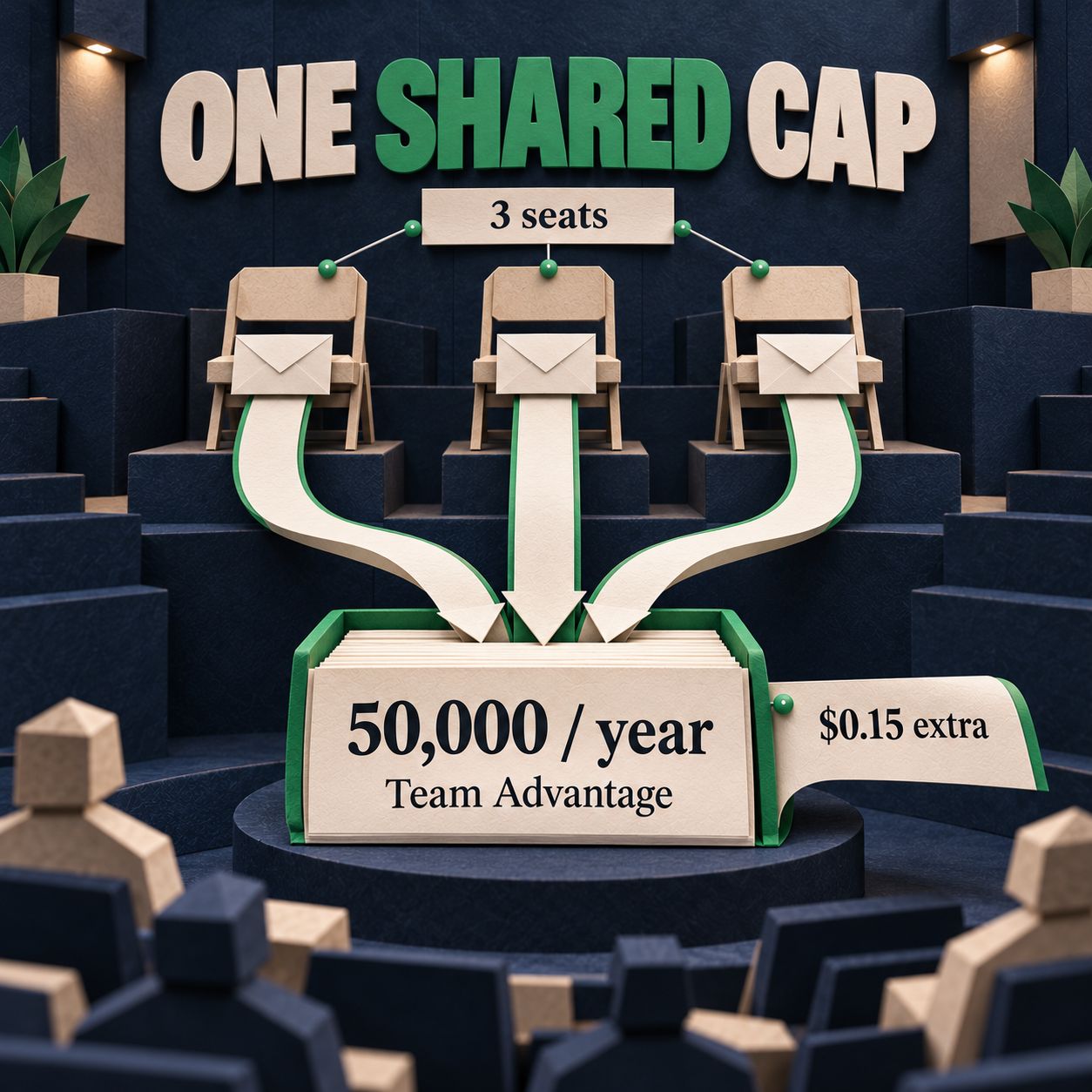
A two-person business must still buy the three-seat minimum to use a team plan. Two separate Advantage Annual subscriptions total $936, which is $144 less than the minimum team bill, but separate subscriptions are a different working arrangement. Each person who collaborates needs their own account; sharing a login is not a substitute for seats.
SurveyMonkey Enterprise Pricing
Enterprise requires a demo and custom quote, with a five-seat minimum and a custom response allowance. There is no public dollar figure to multiply into an annual budget.
Its buying case is organizational control: single sign-on, governance, security and data-center choices. Single sign-on means staff use the organization's identity system to access the product. Ask sales to price the required seats, responses, data location and integrations together. Five users is an entry requirement, not evidence of a particular contract price.
Three Worked Bills Before You Commit
Response usage can reverse the apparent winner. These are calculated examples using the published rates, not invoices from a customer account. Compare plans at the start of a full term; the examples do not assume an upgrade erases overages already incurred.
One Person Running a Monthly NPS Survey
Assume a local-services owner collects 600 responses every month, or 7,200 a year, to a Net Promoter Score survey, which measures customers' willingness to recommend the business.
Advantage Annual costs $468, with no response overage in this scenario. The subscription cost per response is $0.065, or $65 per 1,000 responses. Keeping Standard Monthly for the same twelve months costs $1,788, equivalent to about $248.33 per 1,000 responses.
That makes the annual choice $1,320 cheaper over the year. The owner accepts an upfront commitment in exchange for the lower full-year bill. Standard still has a role when the owner genuinely does not know whether the survey will continue beyond a short project.
Basic is only an option if the specific account's response allowance and features cover the work. For a straightforward score-and-comment collection job, Fillout's free allowance is another option discussed below; SurveyMonkey's paid analysis must earn its extra cost.
Three People Collecting 30,000 Responses a Year
Assume a marketer, researcher and owner share survey work and collect 30,000 responses in total. Team Advantage costs $1,080 a year, or $36 per 1,000 responses. The work stays inside its 50,000-response allowance.
Team Premier costs $3,312, or $110.40 per 1,000 responses at that same usage. Its extra features therefore need to justify $2,232 a year; the response count alone does not.
Three individual Advantage Annual subscriptions would cost $1,404, or $324 more than Team Advantage. They also leave the work in separate individual accounts. The blunt call for this scenario is Team Advantage, unless multilingual surveys, advanced research design or another Premier requirement decides the purchase.
The Overage Case: 70,000 Team Responses
At 70,000 responses with three seats, Team Advantage has 20,000 billable extras. The overage is 20,000 × $0.15 = $3,000, bringing the total to $4,080.
Team Premier includes that volume for $3,312. Buying it for this forecast saves $768 over Team Advantage plus overages. Normalized to actual usage, the bills are about $58.29 versus $47.31 per 1,000 responses.
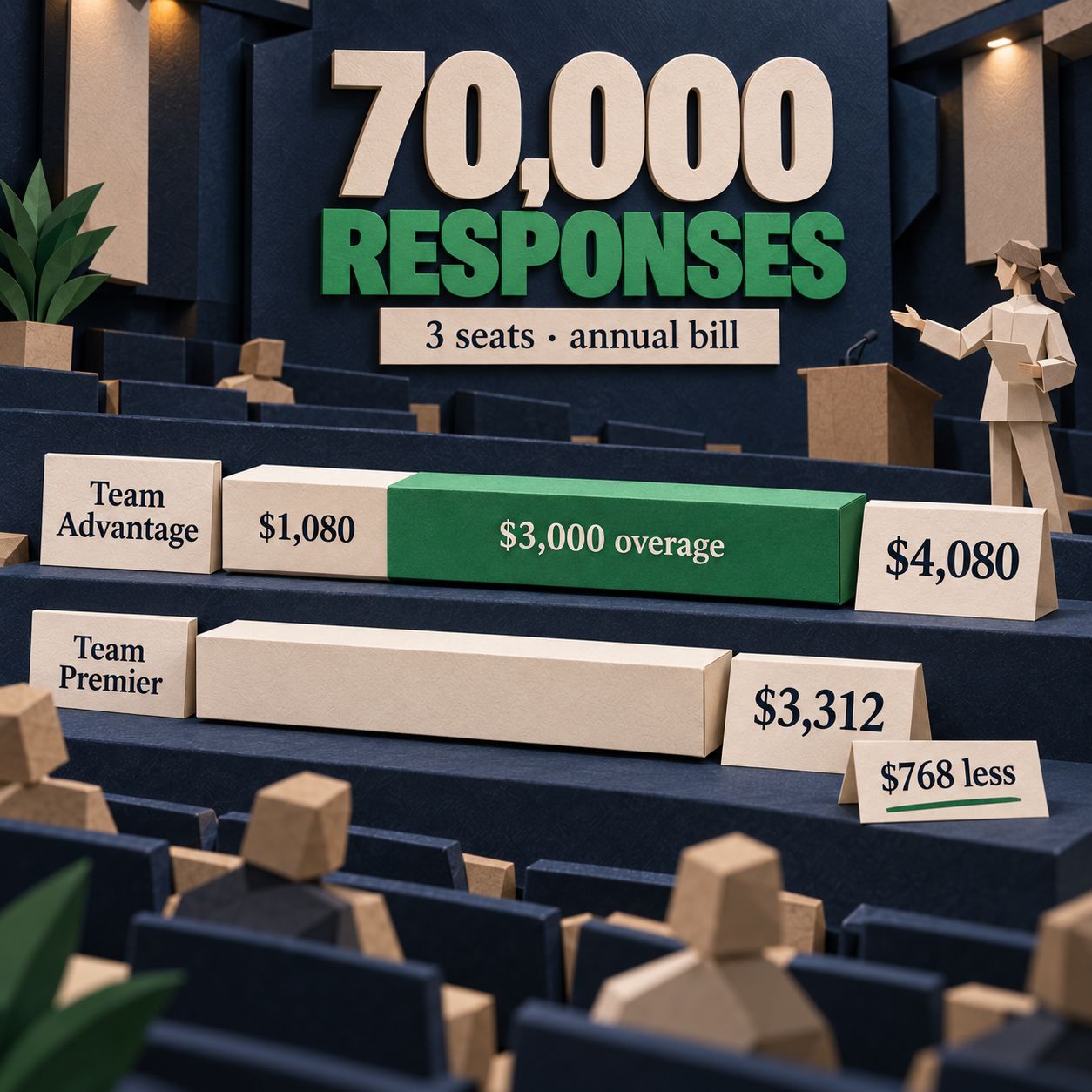
An occasional overage does not automatically justify an upgrade. At 60,000 responses, Team Advantage totals $2,580, still below Team Premier. Forecast the volume first, then choose the tier.
For individual plans, Advantage plus overage reaches Premier's $1,668 at 23,000 annual responses. There is another option for a solo high-volume buyer: the three-seat Team Advantage minimum reaches cost parity with individual Advantage plus overages at 19,080 responses. Above that point, examine the team plan even if some seats will be unused. It has different features from individual Premier, so capacity alone is not the whole decision.
Where Analyze with AI and Thematic Analysis Sit
Both features are listed on Advantage Annual and Team Advantage, then inherited by their higher tiers. Basic's Build with AI is a survey-writing feature. Standard Monthly does not list these analysis features in its plan card. Individual feature tiers, team feature tiers.
Analyze with AI lets you ask questions about survey results and receive summaries and charts. Thematic Analysis groups written answers into themes. For a marketer reading complaints, that can help separate repeated delivery issues from product requests before deciding what to investigate.
The collection allowance and AI eligibility limit are different. The current help pages require English surveys with 1 to 10,000 responses per survey for these features. Filtering a larger survey down to a smaller visible subset does not bypass that survey-level limit. A single survey holding all 30,000 responses in the team example can fit the paid collection allowance while failing this AI requirement. Analyze with AI requirements, Thematic Analysis requirements.
Analyze with AI's documented prompt allowance is 20 per user per survey on Advantage, 50 on Premier, and unlimited on Enterprise, subject to fair use. Its help page specifies the US data center and supported-account availability. Thematic Analysis supports US and EU storage, excludes the Canadian data center, and works with Comment box and Single textbox responses.
For a Canadian business, the relevant question is where the account stores data, not simply where the company is based. Confirm eligibility before paying primarily for AI. A larger subscription does not automatically make every survey eligible.
To try the workflow on an eligible survey, open Analyze Results, choose Analyze with AI, and ask a specific question about the results. For themes, use Analyze results → Options → Data Options → Thematic analysis. Check the original responses before treating a generated summary as a research conclusion.
Other Costs and Commitments to Budget
Keep usage, access and respondent recruitment on separate budget lines. The annual subscription is only one part of the decision.
Unused response capacity does not roll over. Deleted responses still count toward billing, so removing poor-quality entries from a report does not remove their collection cost. Overage arrives as a separate charge at the next billing date. A Standard month with 1,400 responses therefore costs $209: $149 plus $60 for the 400 extras. Billing mechanics.
SurveyMonkey Audience Pricing
SurveyMonkey Audience, its service for buying research respondents, is sold separately. A subscription allowance covers processing responses; it does not recruit those people for you. Audience is a separate service. A founder surveying an existing customer list and a researcher purchasing a new market sample have different acquisition budgets. Obtain a project price for the required audience instead of treating $0.15 overage as a participant recruitment price.
Annual billing remains an annual commitment even when the page displays a monthly equivalent. Paid plans renew automatically by default. Canceling auto-renew stops the next renewal; it generally leaves access in place through the paid term and does not automatically refund unused time. Previous charges are not refunded unless legally required under the vendor's stated policy. Cancellation and refunds.
Export what you need before a downgrade. SurveyMonkey says over-limit responses older than 365 days can be deleted when an account falls back to Basic. Extra team invitations can also trigger prorated seat charges. Budget the people who need access, then review renewal and retention before sending the survey.
When a Cheaper Tool Fits the Job
Compare the same collection job and usage pattern before comparing headline prices. A spreadsheet of customer answers, a research report and a workflow for following up complaints are different purchases.
SurveyMonkey Free Alternative: Fillout for Straightforward Collection
Fillout is a form builder that fits a small business collecting structured customer feedback and exporting answers. Its Free plan includes 1,000 responses a month, unlimited seats and forms, conditional logic, calculations and CSV exports. The free form retains Fillout branding. Fillout pricing.
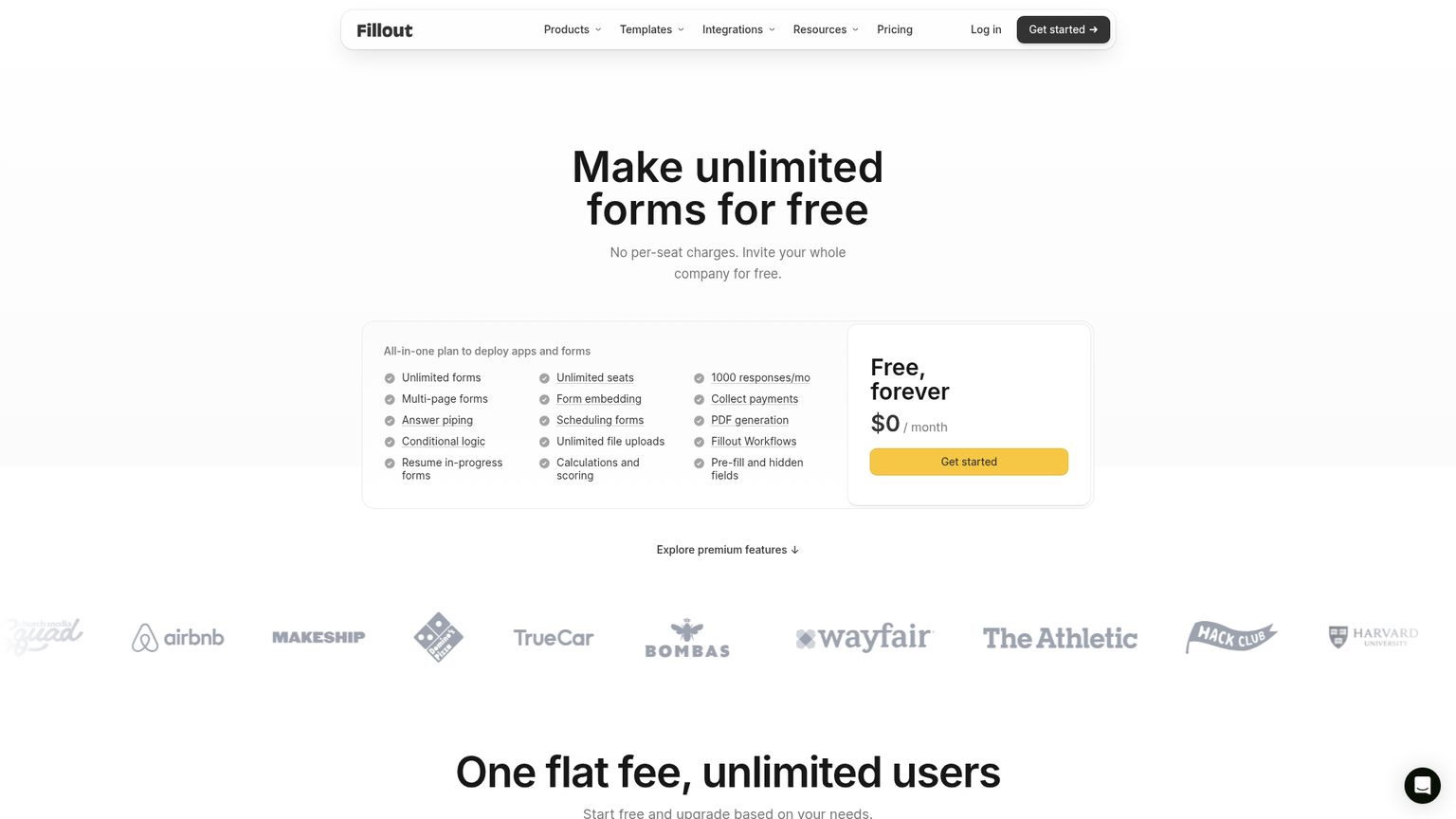
The 600-responses-a-month example fits that free allowance, saving the $468 SurveyMonkey annual subscription if collection and your own analysis are enough. This is a recommendation for a score-and-comment form with spreadsheet analysis, not a claim that the products have identical research tools.
Fillout Starter is $15 a month on annual billing, $180 a year, for 2,000 monthly responses. Pro is $40 a month on annual billing, $480 a year, for 5,000 monthly responses and removal of branding. Business is $75 a month on annual billing, $900 a year, with unlimited responses. These tiers include unlimited seats.
If the three-person team's 30,000 annual responses arrive evenly, that is 2,500 a month. Pro fits at $480 a year, or $16 per 1,000 responses, saving $600 against Team Advantage. But an annual total alone cannot prove fit: a concentrated campaign can exceed a monthly cap. Fillout says forms keep collecting above the limit, with options to upgrade, buy bulk submissions or wait for the reset; do not assume unlimited access at the same price.
Choose Fillout when collection is the job. Choose SurveyMonkey when its analysis and research controls justify the difference. Fillout's $900 Business plan is $180 below SurveyMonkey's minimum team commitment, but that price comparison says nothing by itself about whether it can replace your study design.
Zonka Feedback for Following Up Customer Problems
Zonka Feedback is a customer feedback platform for ongoing experience programs. It fits a service business that needs to capture a poor rating, assign the issue and follow up with the customer. Its published capabilities include NPS, customer satisfaction and effort measures, multichannel surveys, case management and automated follow-up. Zonka Feedback pricing.
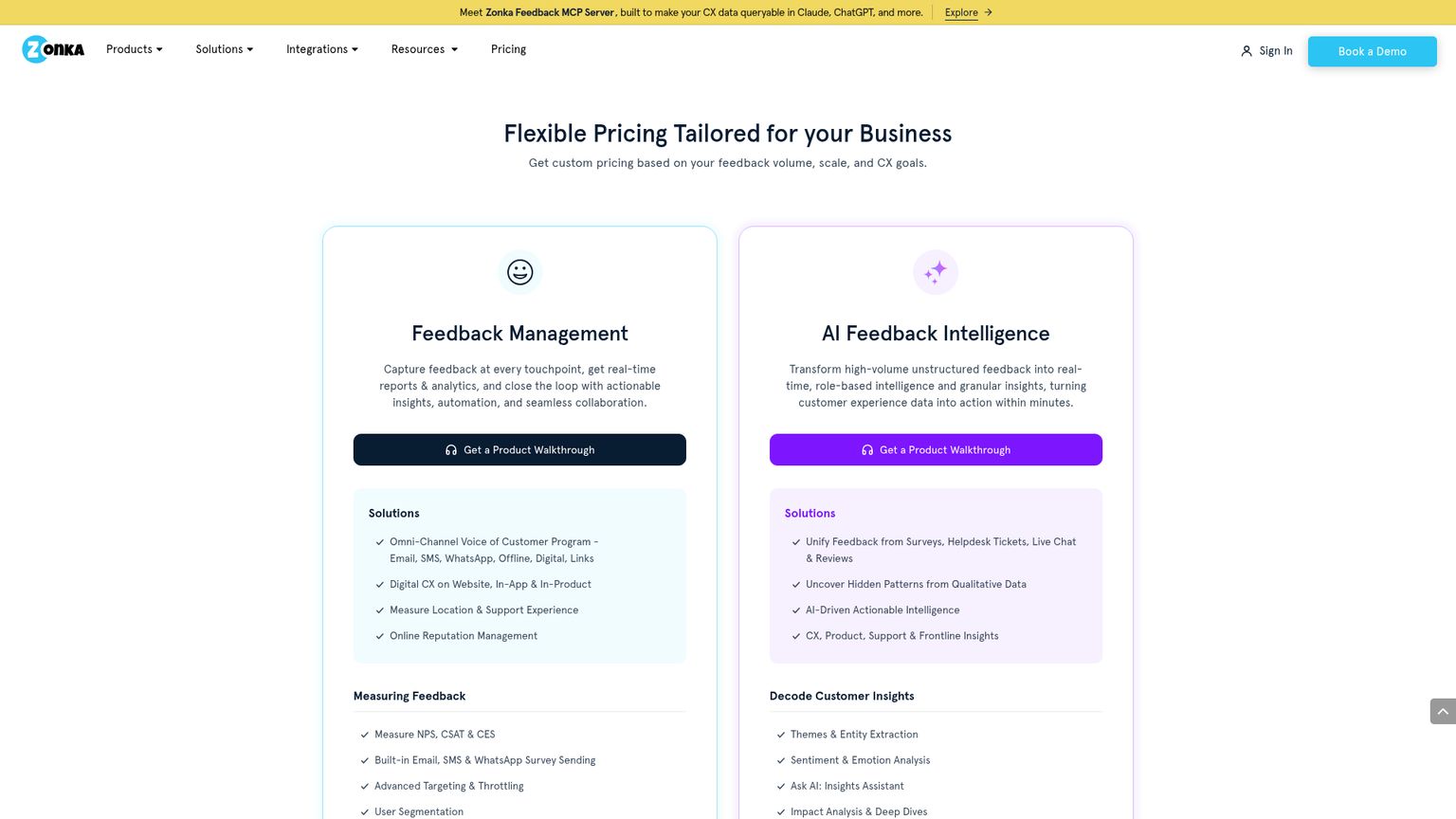
The current price is a custom quote. Feedback Management is priced primarily by responses; AI Feedback Intelligence uses data credits and can be bought separately or bundled. There is no verified public dollar rate here to put into the same annual calculation.
Ask for a quote using the same seats, annual response volume and required channels as your SurveyMonkey forecast, plus any AI credits. Zonka belongs on the shortlist when closing customer issues is the work. It cannot honestly be called the cheaper option before that quote, and a demo-led purchase is excessive for an occasional simple questionnaire.
Choose Your Plan Before Sending the Next Survey
Write the annual budget before distributing the link. A few explicit inputs prevent most pricing surprises.
Count the people and the response calendar
List everyone who must create, analyze or collaborate. Estimate responses by billing month and by survey, then total the year. Keep the annual collection cap separate from AI's per-survey eligibility limit.
Name the feature that earns the subscription
Choose Basic or a simple form builder for small collection jobs. Shortlist Advantage Annual for a solo recurring researcher and Team Advantage for a small collaborative team. Name the Premier-only feature before paying for it, or show the volume calculation that makes it cheaper.
Price the excess and check the commitment
Add response overage, required seats and any purchased audience. Confirm billing country, data center, cancellation timing and exports before checkout. Save the quoted terms with the forecast; the examples here do not promise a future renewal price.
If you are checking several subscriptions at once, the same seat-budget discipline appears in our monday.com pricing breakdown. Compare what the account will cost for the year, not the smallest number on its plan card.
SurveyMonkey Pricing Questions
Does SurveyMonkey have a free trial?
SurveyMonkey offers the continuing free Basic plan. Its public individual pricing page does not establish a universal free trial of every paid feature, so do not assume an annual purchase comes with a trial or refund window. Start with Basic and check any offer shown to your account.
What is SurveyMonkey?
SurveyMonkey is software for creating surveys, collecting responses and analyzing the results. Businesses use it for customer feedback and market research. The subscription buys access and response capacity; purchasing participants through SurveyMonkey Audience is separate.
Does SurveyMonkey pay you?
Buying a SurveyMonkey plan does not pay you for answering surveys. These prices are for the person or business conducting the research. Any participant reward arrangement has its own terms and should not be confused with a survey-software subscription.
What are the disadvantages of SurveyMonkey?
The main budget constraints are annual commitments, team seat minimums and paid response overages. Basic restricts response visibility. AI analysis also has language, storage-location and per-survey response conditions, so a plan's large collection allowance does not guarantee AI analysis for every dataset.
Why is SurveyMonkey so expensive?
The total can include multiple seats and response overages, while higher tiers bundle research and governance capabilities. Those tools can justify the cost for a researcher. If a local business only needs a short feedback form and spreadsheet analysis, paying for that broader feature set may be unnecessary.
What is better, Google Forms or SurveyMonkey?
Google Forms, an online form and survey builder, is a practical option for straightforward collection, collaboration and response analysis in Google Sheets. SurveyMonkey is the stronger shortlist when its research features and analysis workflow are requirements. Start with the questionnaire and reporting task, then compare what your existing tools already cover. Google Forms features.
Google Forms suits the business that primarily wants answers in its existing spreadsheet workflow.
Which platform is best for surveys?
For a solo recurring researcher, shortlist SurveyMonkey Advantage Annual. For three people sharing research, start with Team Advantage and check volume. For simple feedback collection, compare Fillout. For assigning and resolving customer issues after feedback arrives, request a Zonka Feedback quote. The best choice depends on the work after someone clicks Submit.
How many responses can I get for free on SurveyMonkey?
The current Basic pricing card says responses are limited per survey and instructs you to sign up or log in to see the exact amount. Check your account before sending. A universal free-response number would be more specific than the current public page supports.
Is Microsoft Forms as good as SurveyMonkey?
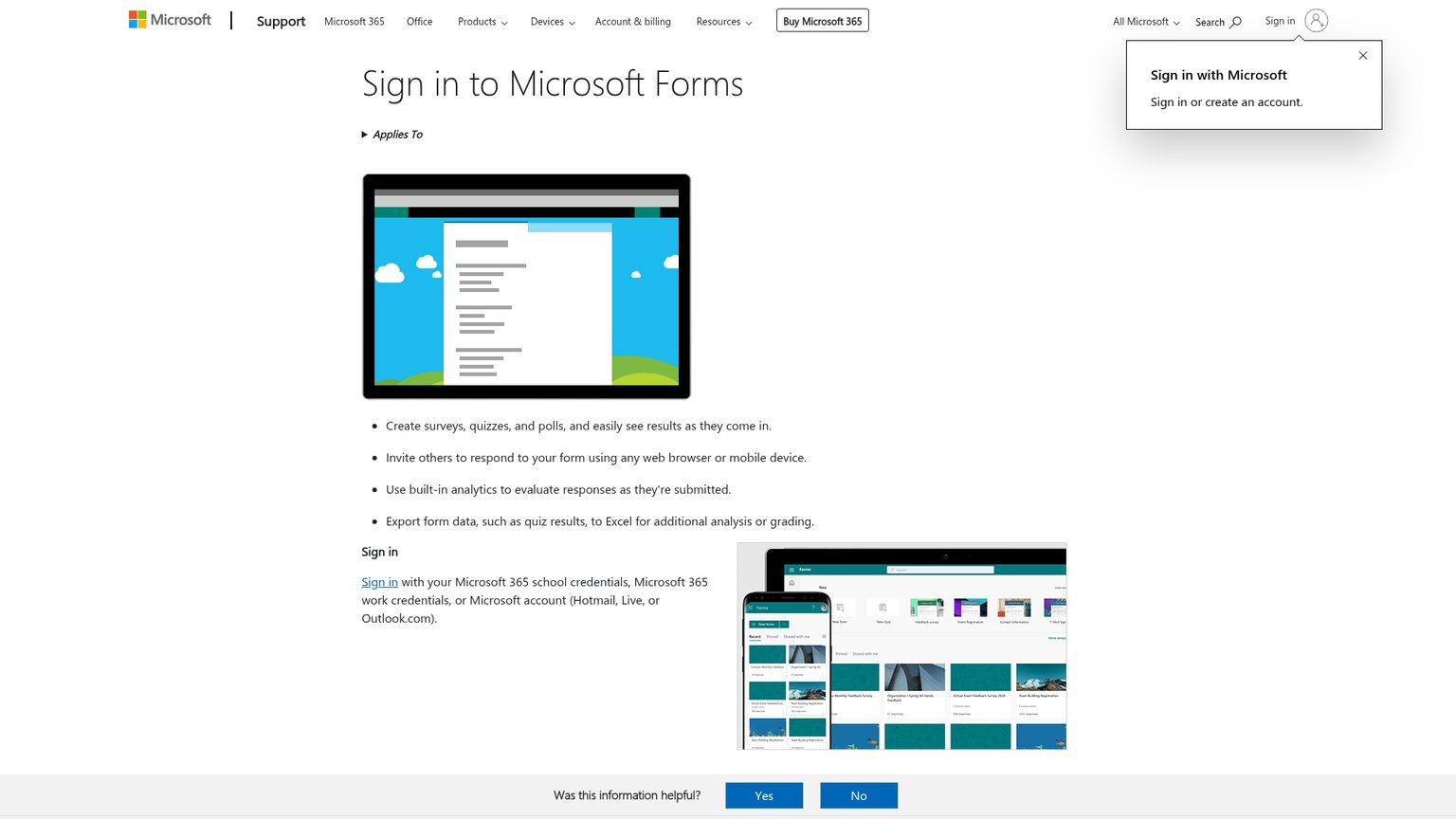
Microsoft Forms is a survey, quiz and poll builder with built-in analytics and Excel exports, accessible using eligible work, school or personal Microsoft accounts. It is worth considering for simple collection in an existing Microsoft workflow. SurveyMonkey earns consideration when the particular research and analysis features discussed above are necessary. Microsoft Forms overview.
Microsoft Forms can keep a straightforward internal questionnaire close to the spreadsheet process staff already use.
Survey Monkey Student Discount
SurveyMonkey says special pricing is available to students and educators in the US and UK. Eligibility depends on location and account status; no universal percentage is assumed here. Check the vendor's current reduced-pricing process before upgrading. Discount eligibility.
SurveyMonkey Nonprofit Pricing
Nonprofits and charities may qualify for discounts, but there is no single verified nonprofit dollar price to substitute into these bills. The relevant application instructions say to apply from a free account and wait for a decision before upgrading. Nonprofit discount process.
What is SurveyMonkey's refund policy?
The stated policy does not automatically refund unused subscription time. Canceling auto-renew generally preserves access until the paid term ends, while prior charges are refunded only where legally required. Review any applicable regional rights and the terms attached to your purchase. Cancellation and refund policy.
Get the AI Business Workflow Audit Checklist
Map the work, the people and the annual software budget before buying your next tool, then get new operator comparisons by email.
- Published
- Category
- Growth
- Language

ActiveCampaign Alternatives: GetResponse, Kit and More
Compare ActiveCampaign alternatives at 2,500, 10,000 and 25,000 contacts, with vendor prices, workflow trade-offs and a migration checklist.Oct 9, 2026Growth
CallRail Alternatives: WhatConverts and More Compared
Compare six CallRail alternatives by vendor pricing, usage fees, AI and reporting. Includes WhatConverts cost math and a pre-switch checklist.Oct 9, 2026Growth
Monday.com Pricing: Seat Buckets and the Yearly Bill
Calculate monday.com Work Management costs for 5, 12 and 40 people, including seat buckets, annual vs monthly billing and AI credit charges.Oct 9, 2026Growth
Beehiiv Pricing: Annual Costs by List Size
Beehiiv pricing verified October 2026: annual bills at 1k, 10k, 50k and 100k subscribers, plan features, October changes and paid newsletter fees.Oct 9, 2026Growth
Pipedrive Pricing: Plans, Add-ons and Team Costs
Current Pipedrive seat and add-on prices, annual vs monthly budgets for 3 and 10 users, AI features, and when Premium costs less.Oct 8, 2026Growth
Lemlist Pricing: Seats, Credits and Sending Costs
Lemlist pricing by month, quarter and year, including credits, mailboxes and add-ons. See founder, sales team and agency bills plus alternatives.Oct 8, 2026Growth
Tidio Alternatives
Compare seven Tidio alternatives by support job, current pricing and billing unit. See who should switch, what migration costs and when Tidio wins.Oct 7, 2026Growth