Hands That Actually Work Prompt pack
- Type
- Prompt pack
- Inside
- 8 prompts
- Published
- August 13, 2026
ResourcesEight exact prompts a pack, each tested in client work. Every pack has its own page; leave your email there and it arrives in your inbox.

Give Scent a Place
Home-fragrance marketers can build a launch campaign tomorrow that makes each scent feel like a change of place, using eight prompts with one repeatable transition.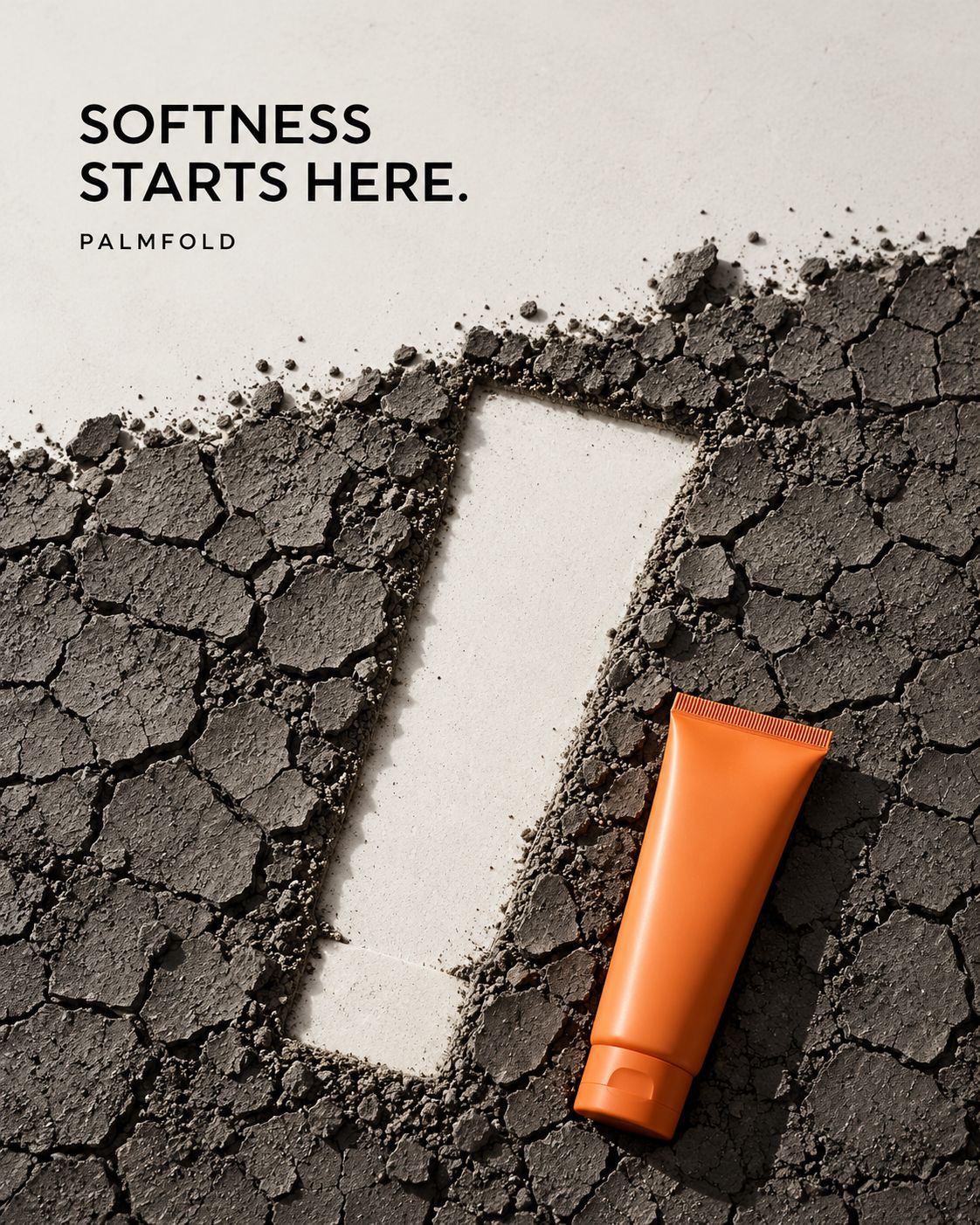
Leave the Problem Out
Product marketers can make benefit-led social ads tomorrow by clearing a recognizable product shape out of the problem their buyer wants gone.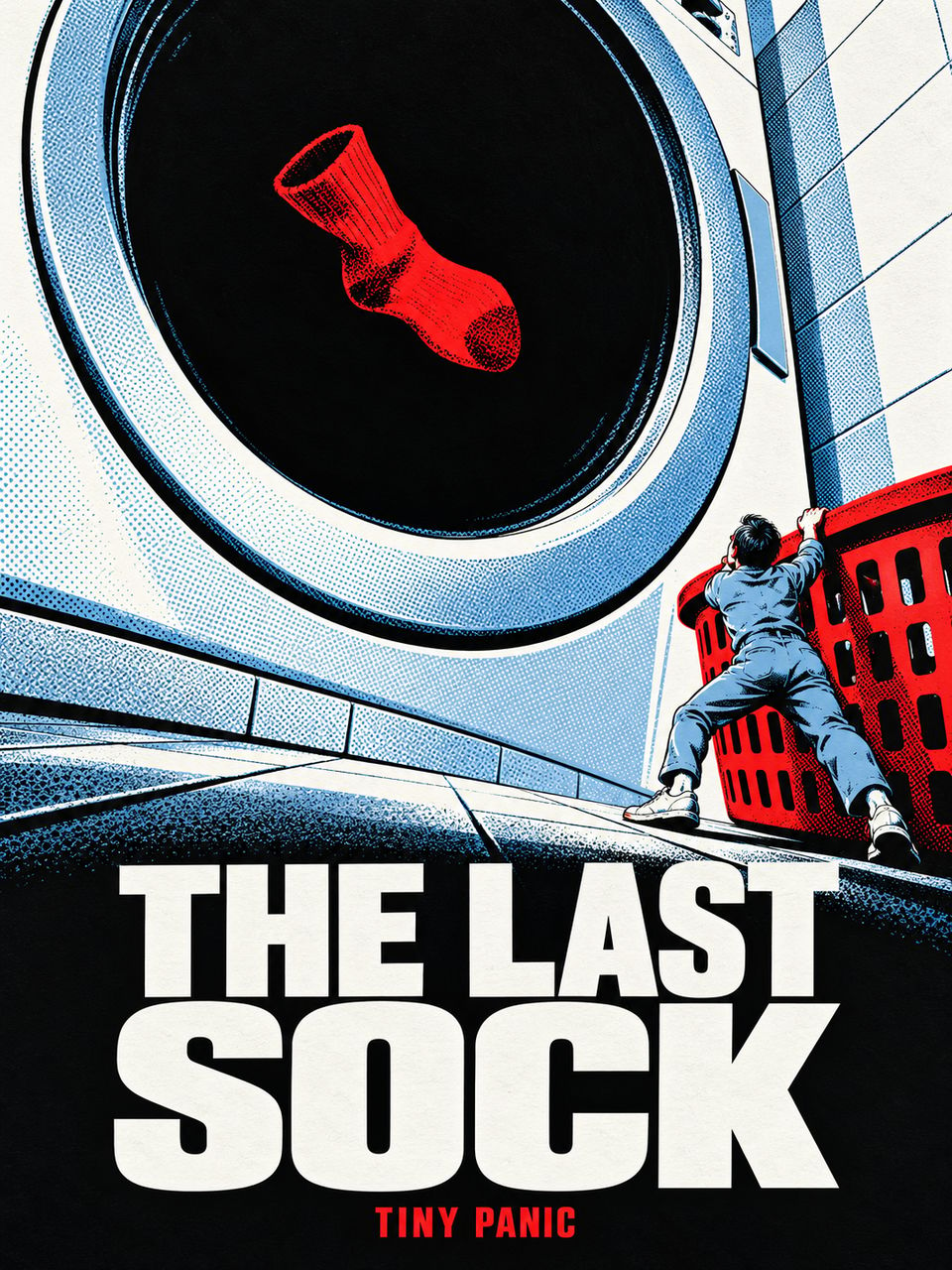
Tiny Panic, Big Posters
Turn a small problem into a poster people stop for, with eight exact prompts for scale, suspense and readable type.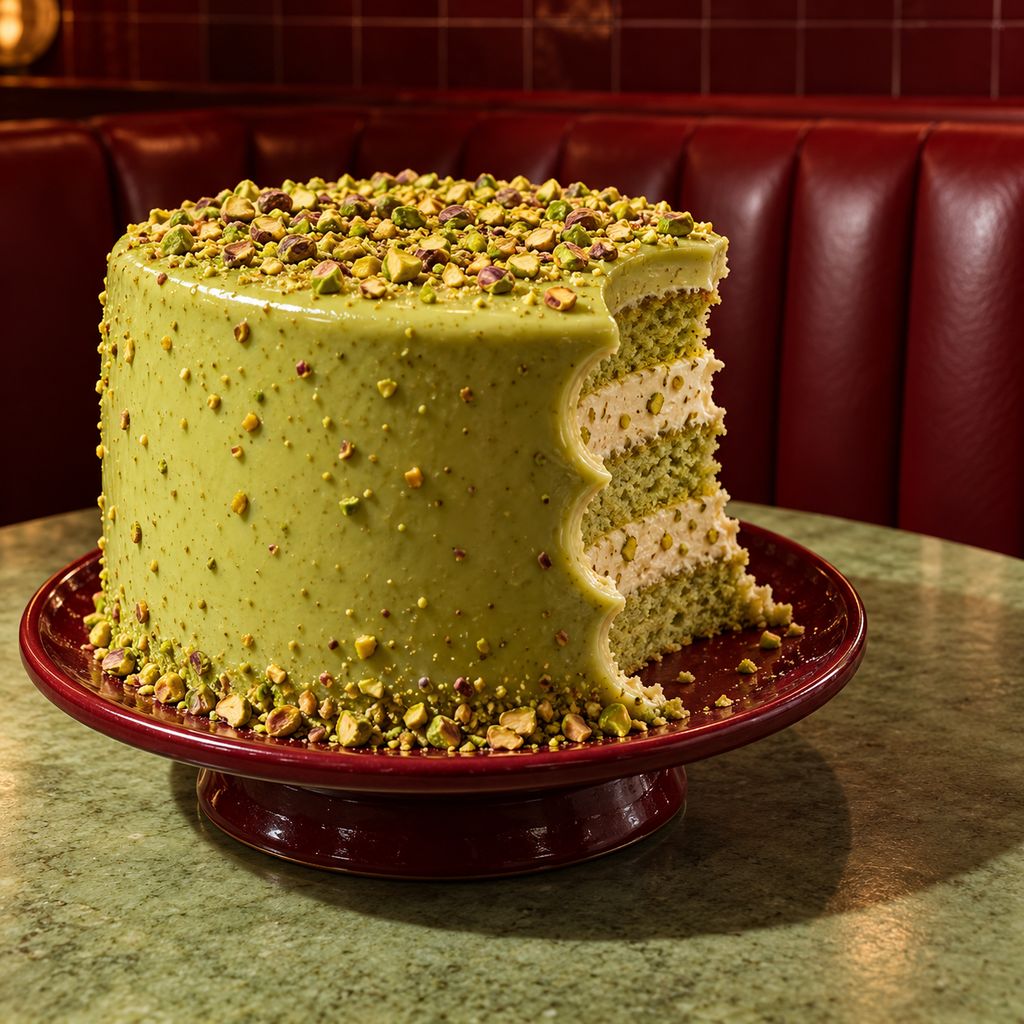
A Bite Out of Everything
Build a varied brand world from one shape with eight exact image prompts.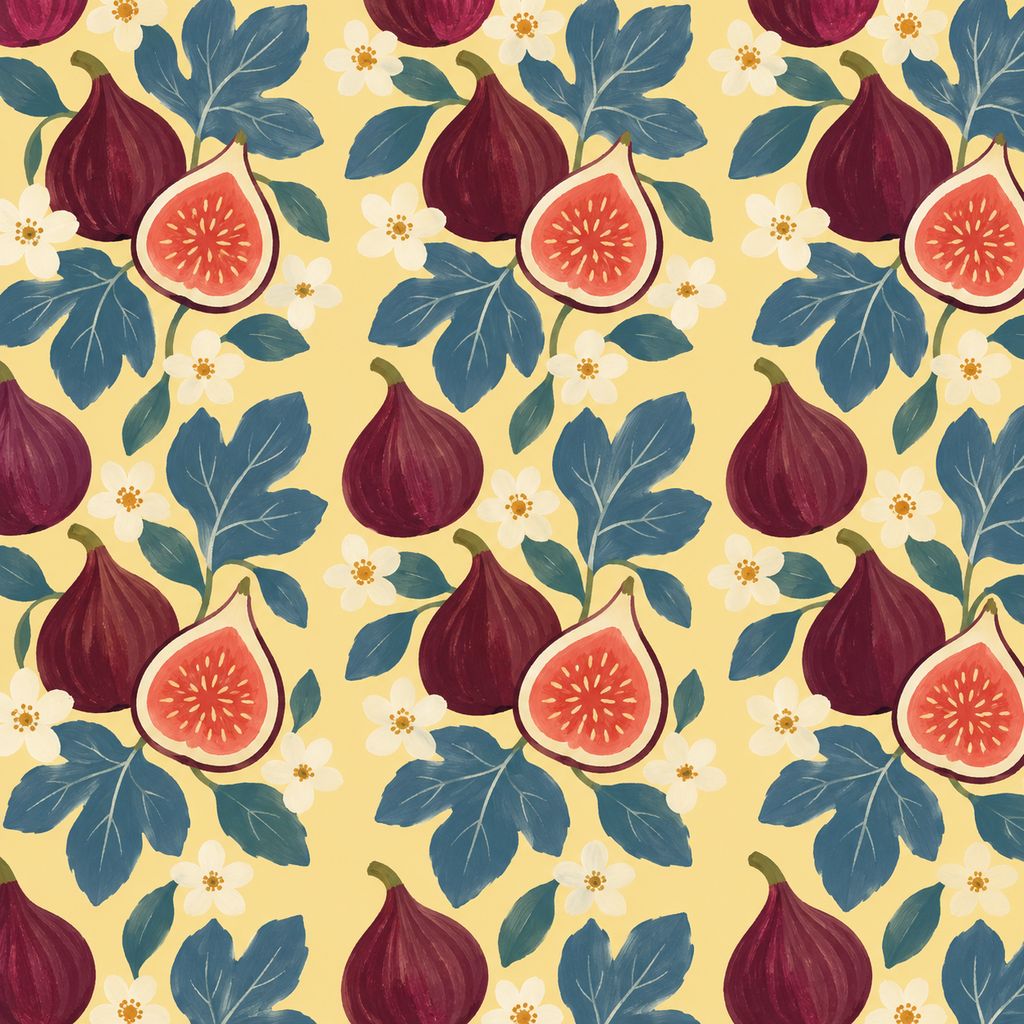
Patterns With a Plan
Turn one motif family into eight pattern studies you can adapt for wrapping, borders and packaging.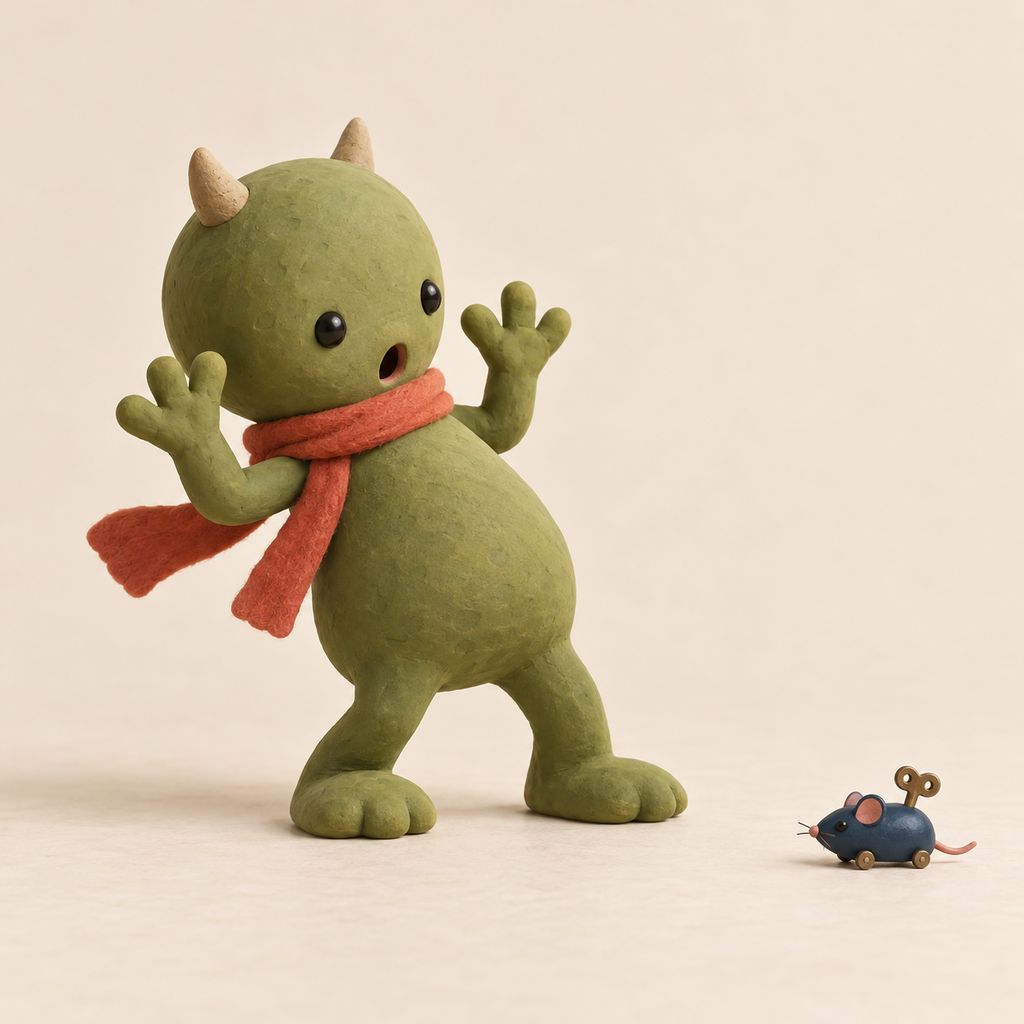
Small Actor, Big Feeling
Make emotion readable through the whole body with 8 reusable character-acting prompts.
Daylight Studies
Learn to place daylight, shape its shadows and keep the room readable with 8 exact image prompts.
Double Exposure, Directed
Make the face and the inner landscape readable with 8 exact prompts that control where the two images meet.Newsletter
One letter, every Sunday.Working systems, not hot takes.
Weekly. No spam. Unsubscribe anytime.