Palette by Role Prompt pack
- Type
- Prompt pack
- Inside
- 8 prompts
- Published
- August 30, 2026
ResourcesPrompt packs, guides, and templates from running generative AI in production — each one a designed PDF, field-tested and free. Every item has its own page; leave your email there and it arrives in your inbox.
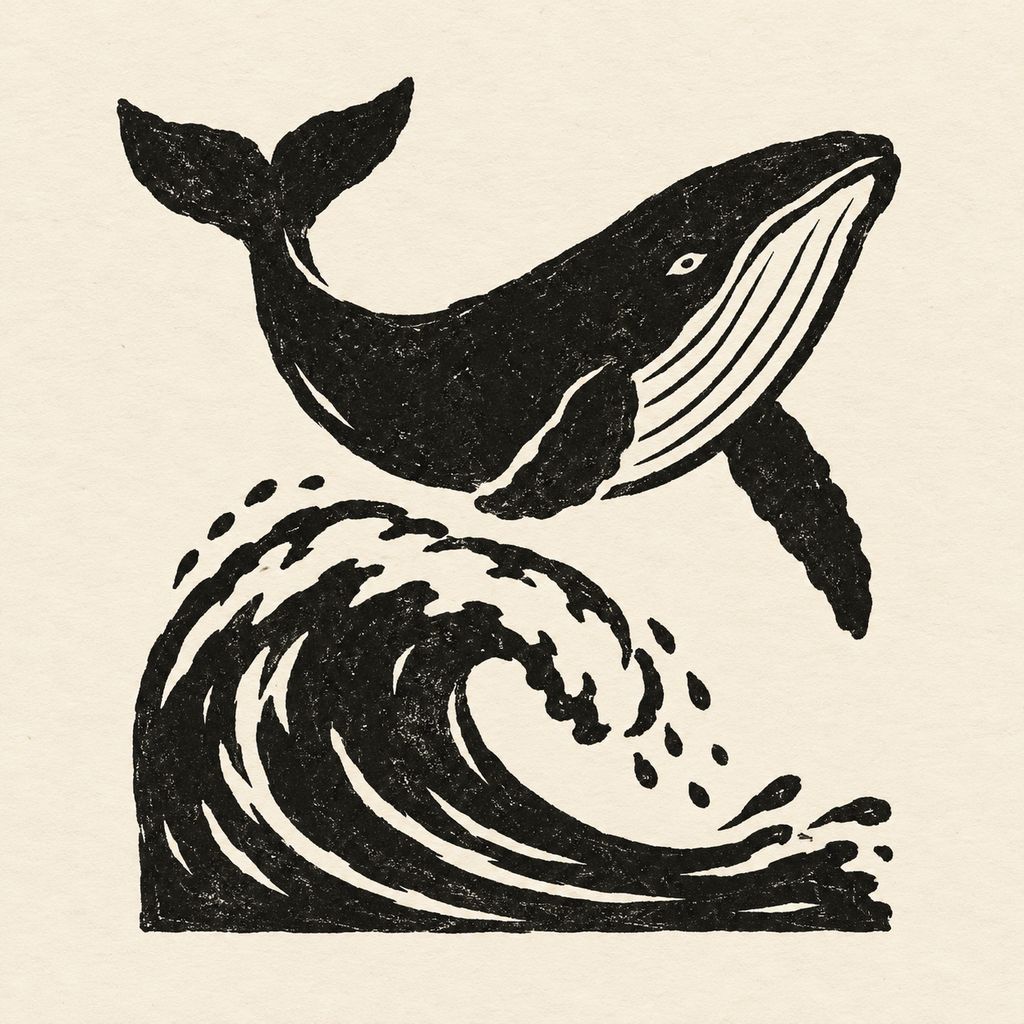
Carve the Light
Build bold linocut images by controlling what stays black, what gets cut away, and where a second ink belongs.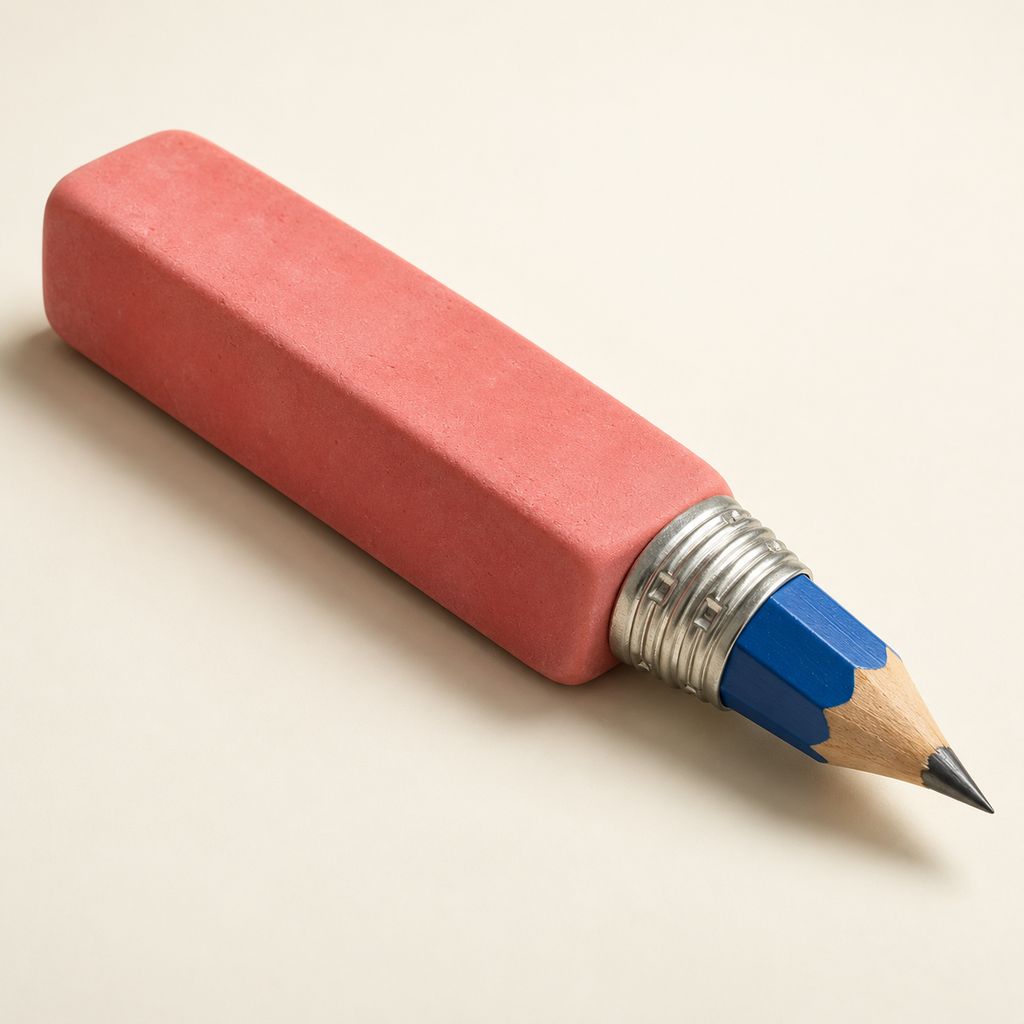
Make Work Visible
Turn abstract work problems into clear editorial images by giving each one a visible physical problem.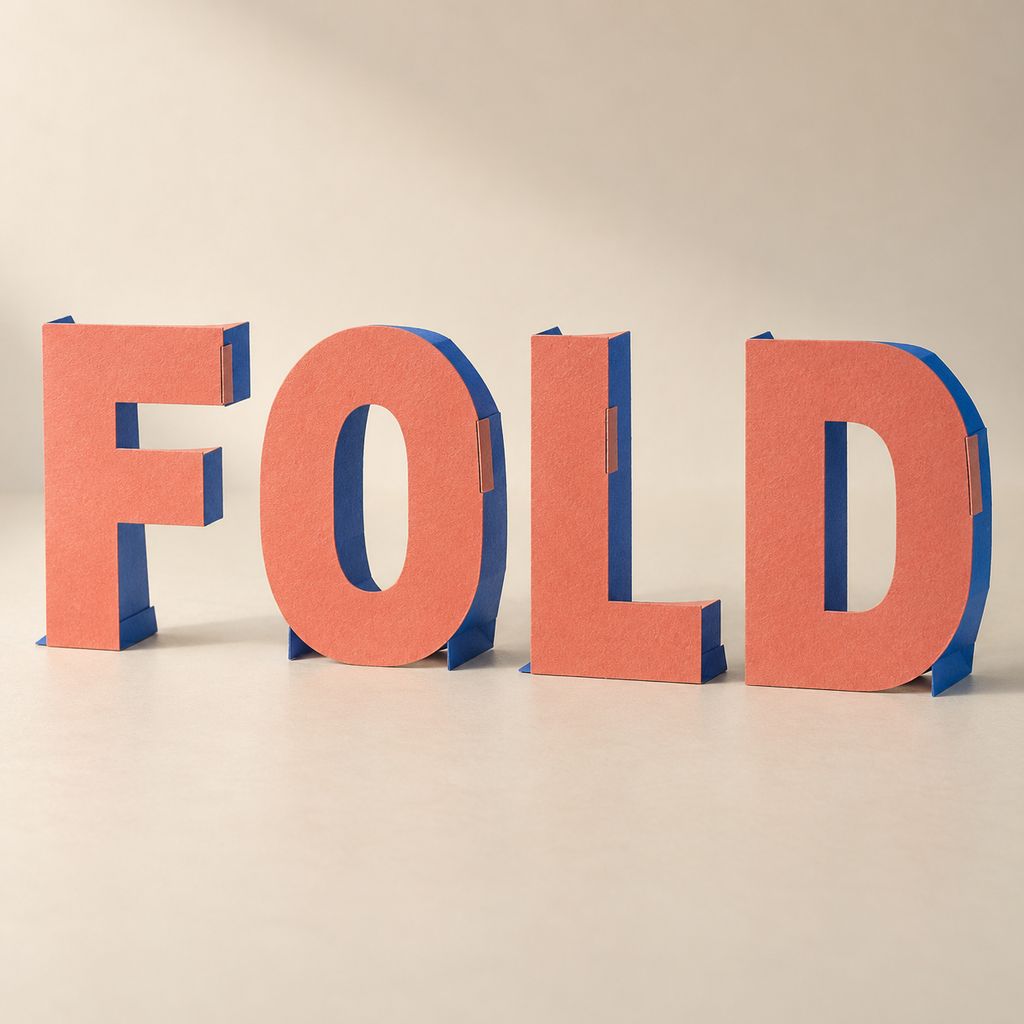
Paper That Holds Its Shape
Control how a generated paper sculpture bends, connects, stands, and catches light.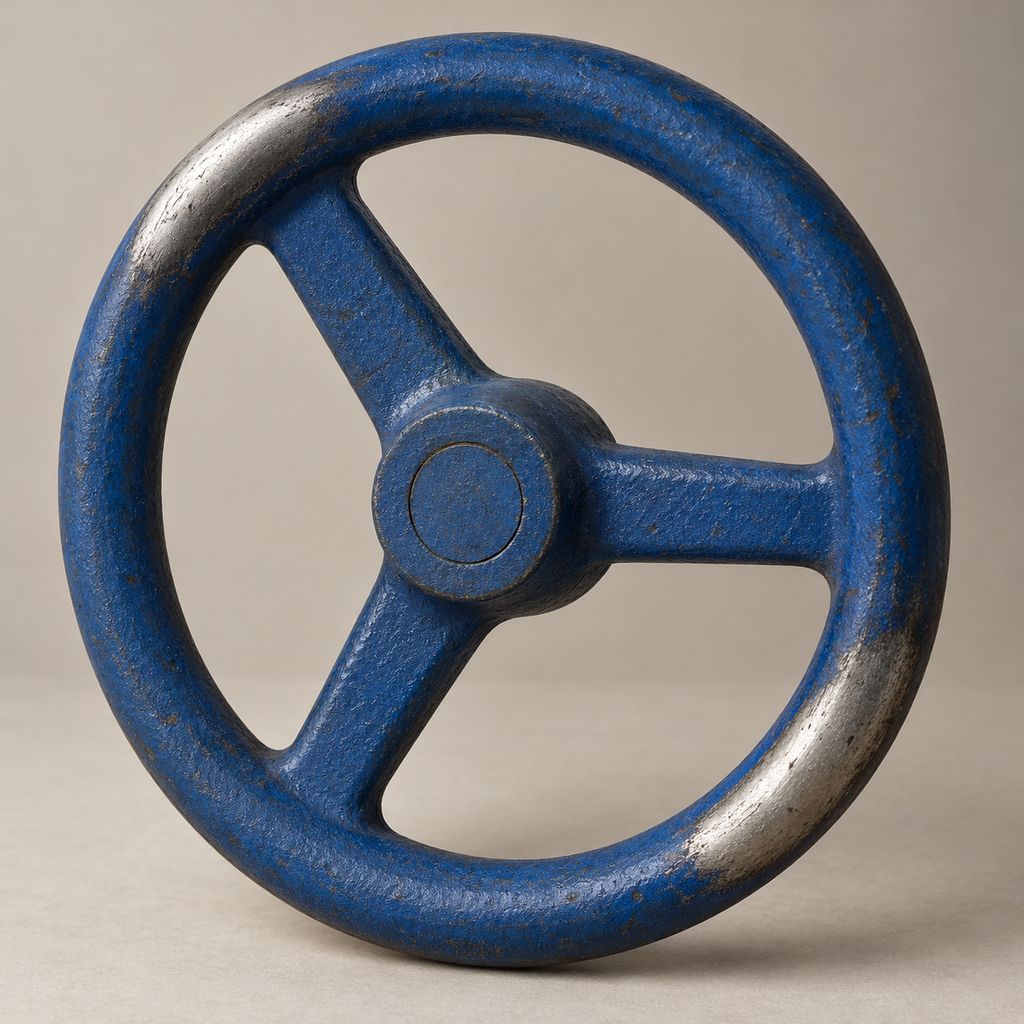
Wear Has a Map
Make aged objects feel used by putting wear where contact, exposure and repairs leave it.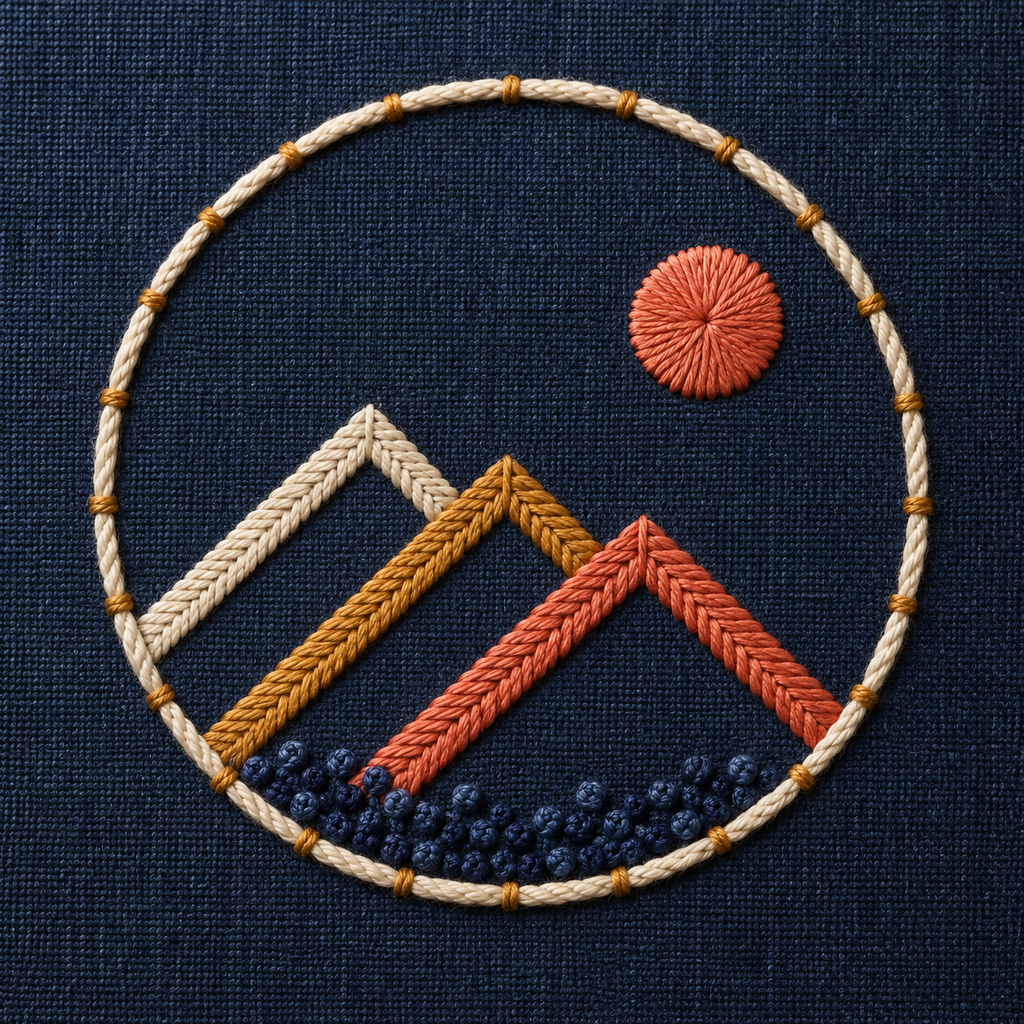
Embroidery as a Drawing System
Make thread direction, height, and stitch structure do the drawing.
Liquid, Under Control
Use 8 exact prompts to direct liquid footprints, connections, flow states, and boundaries.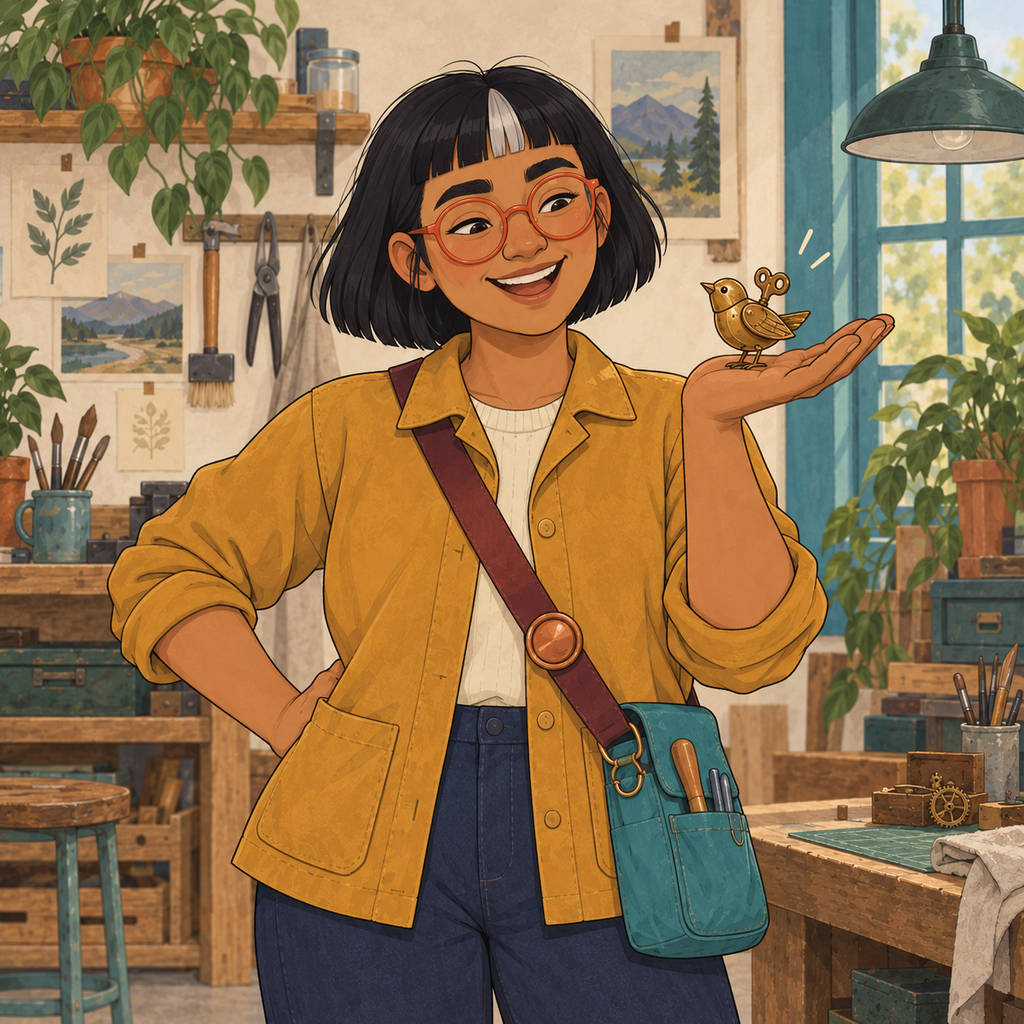
One Character, Eight Scenes
Keep one illustrated character recognizable through seven controlled scene changes.
Perspective That Holds
Give every edge a clear direction, then carry that camera logic into ramps, curves, and painted type.Newsletter
One letter, every Sunday.Working systems, not hot takes.
Weekly. No spam. Unsubscribe anytime.