The Evidence Left Behind Prompt pack
- Type
- Prompt pack
- Inside
- 8 prompts
- Published
- September 8, 2026
ResourcesEight exact prompts a pack, each tested in client work. Every pack has its own page; leave your email there and it arrives in your inbox.
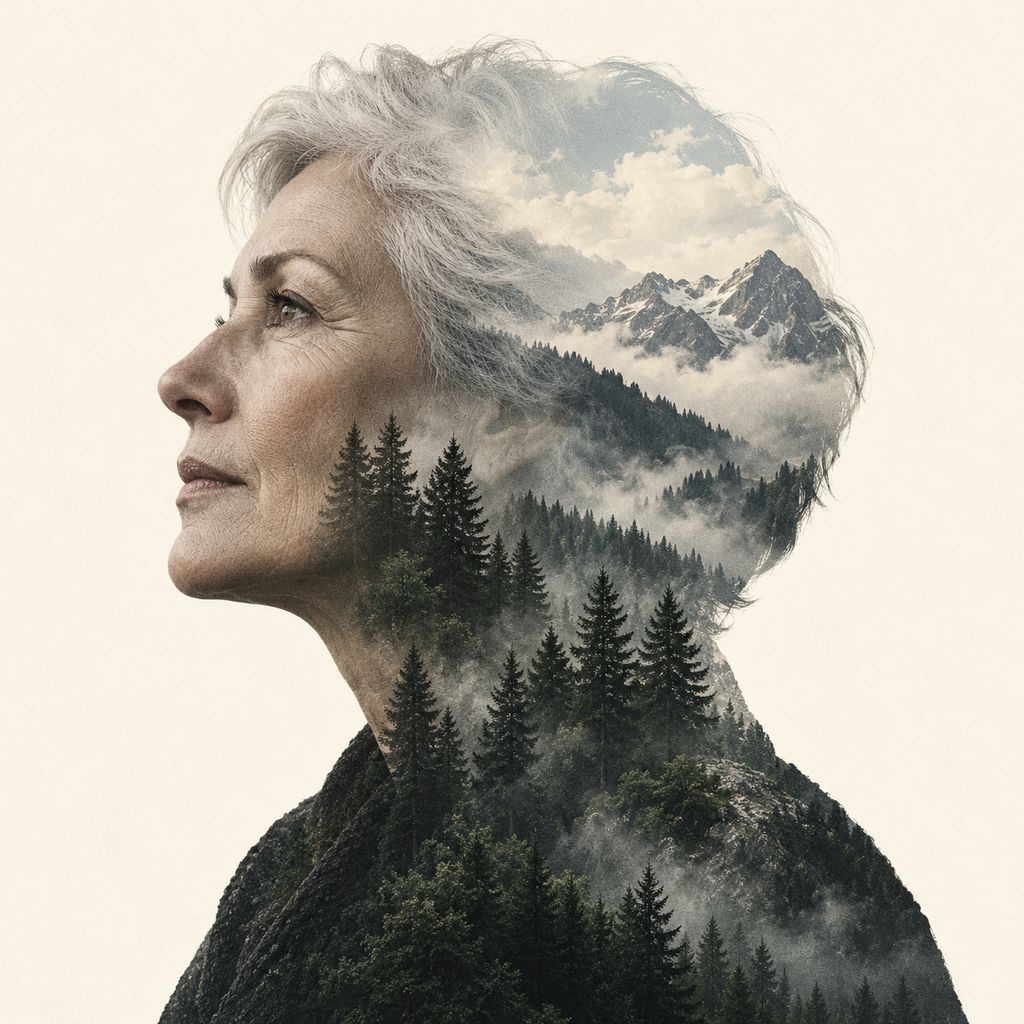
Double Exposure, Directed
Make the face and the inner landscape readable with 8 exact prompts that control where the two images meet.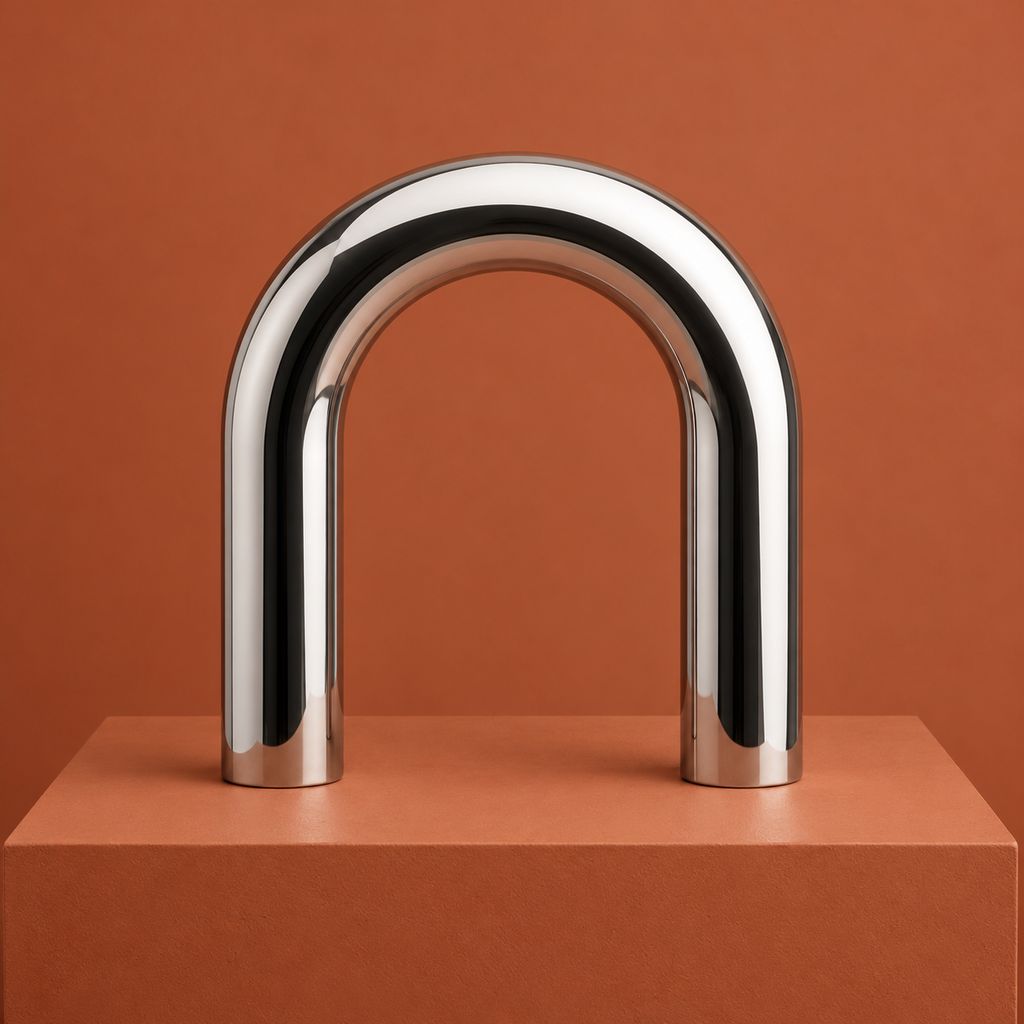
Reflections by Design
Give silver objects a clear shape, a specific finish and room for readable type with eight complete prompts.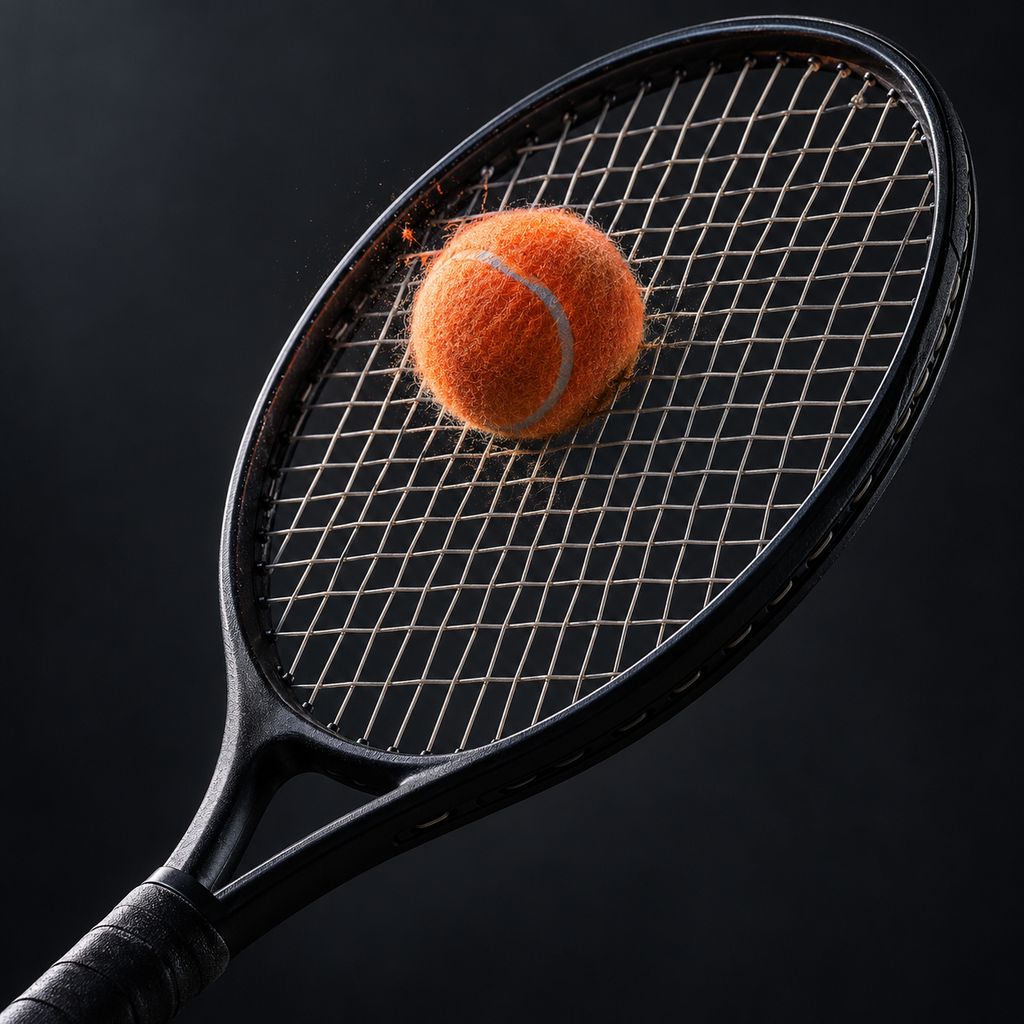
Motion, Held Still
Learn to make movement readable by choosing what stays sharp, where blur travels, and how the action ends.
Give Color a Job
Use eight exact prompts to control what the viewer sees first, from a single-hue still life to a finished poster.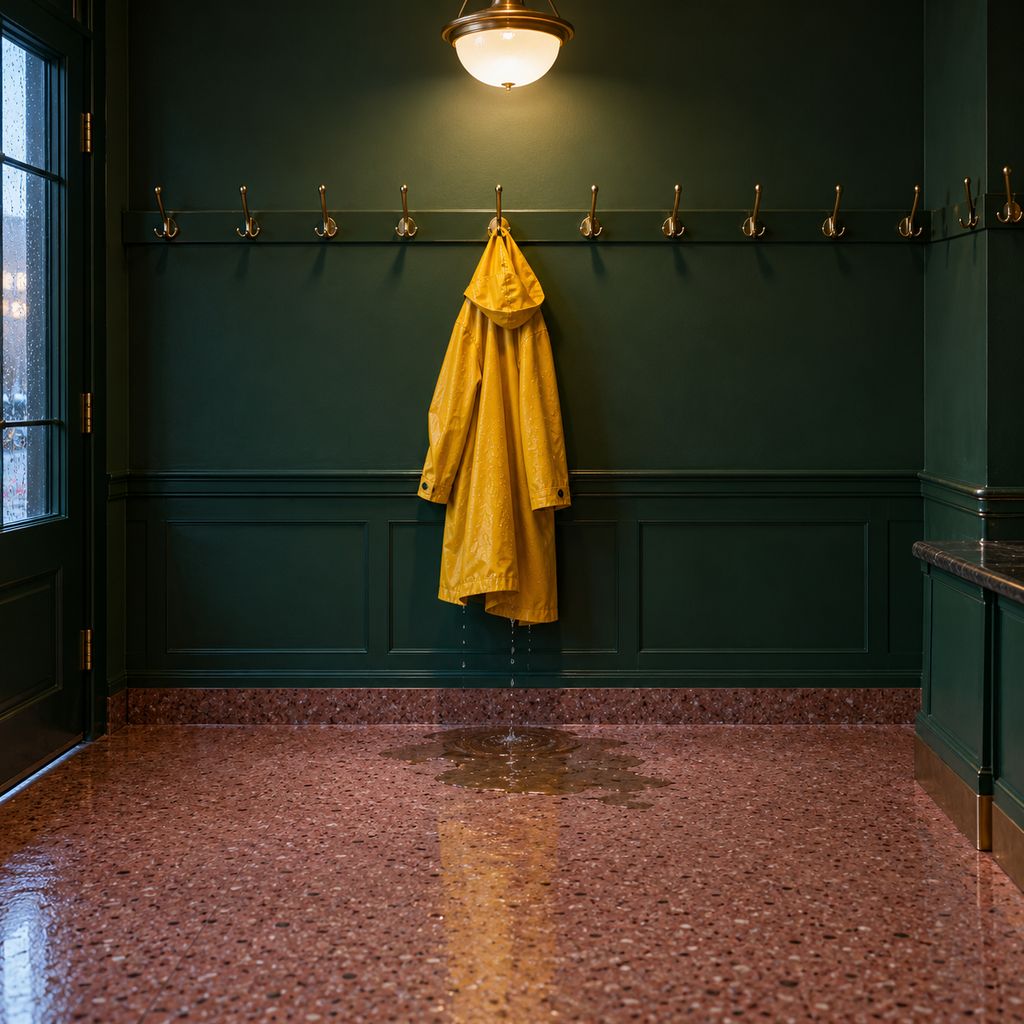
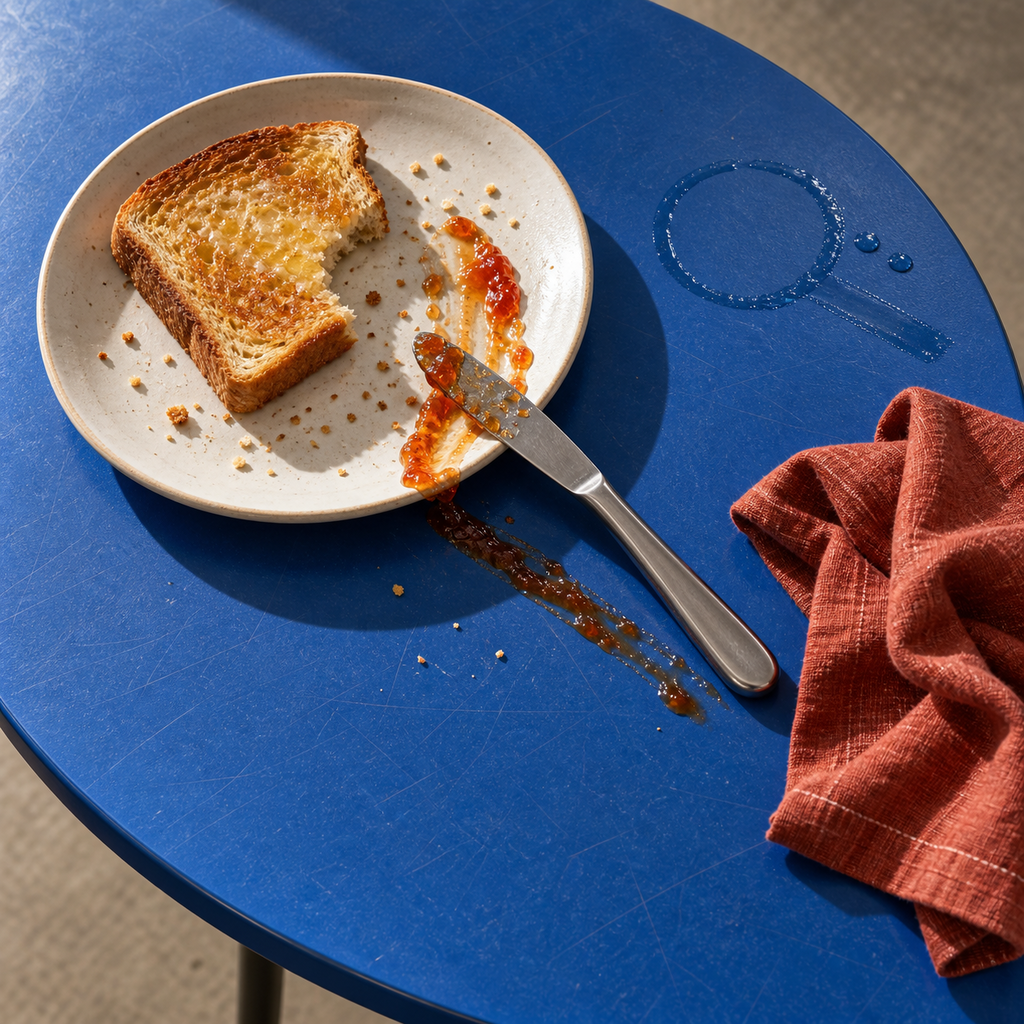
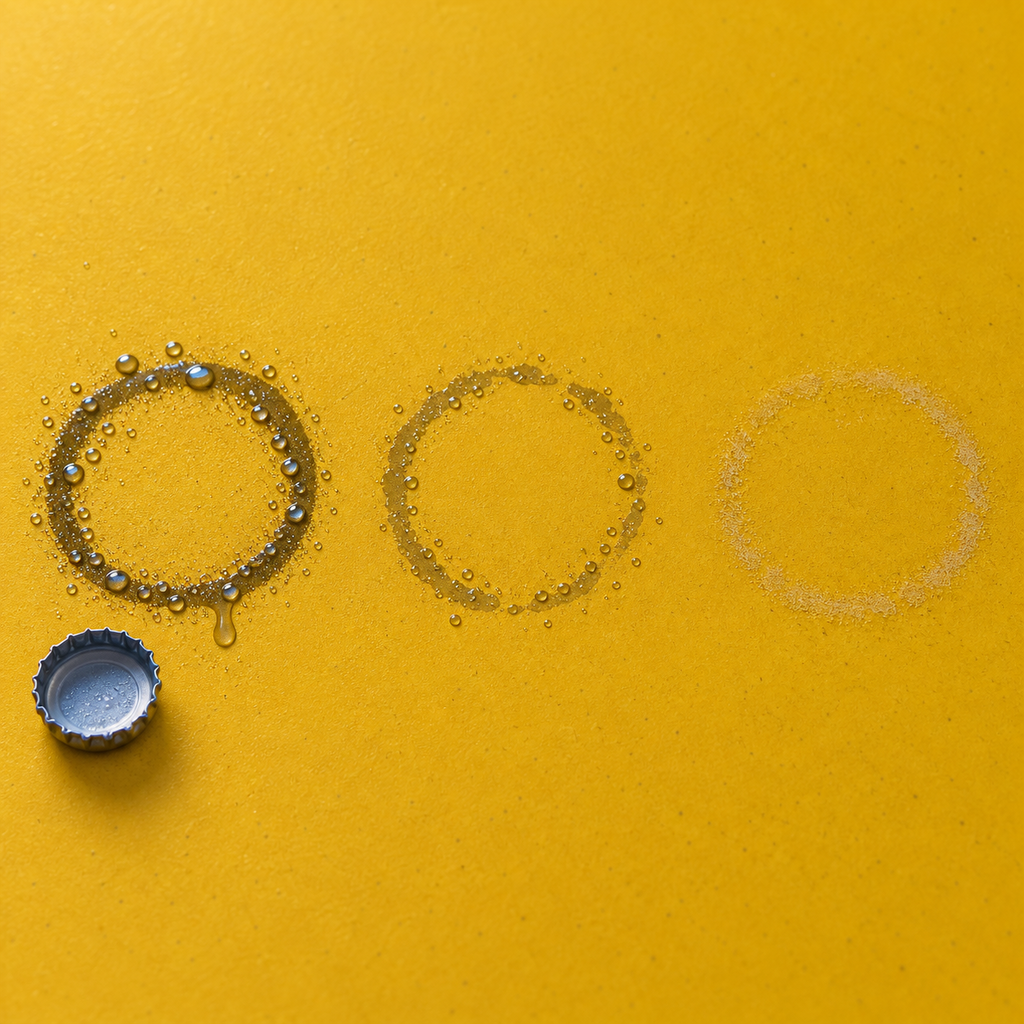
The Scene After
Tell a story in one image by directing the evidence left behind.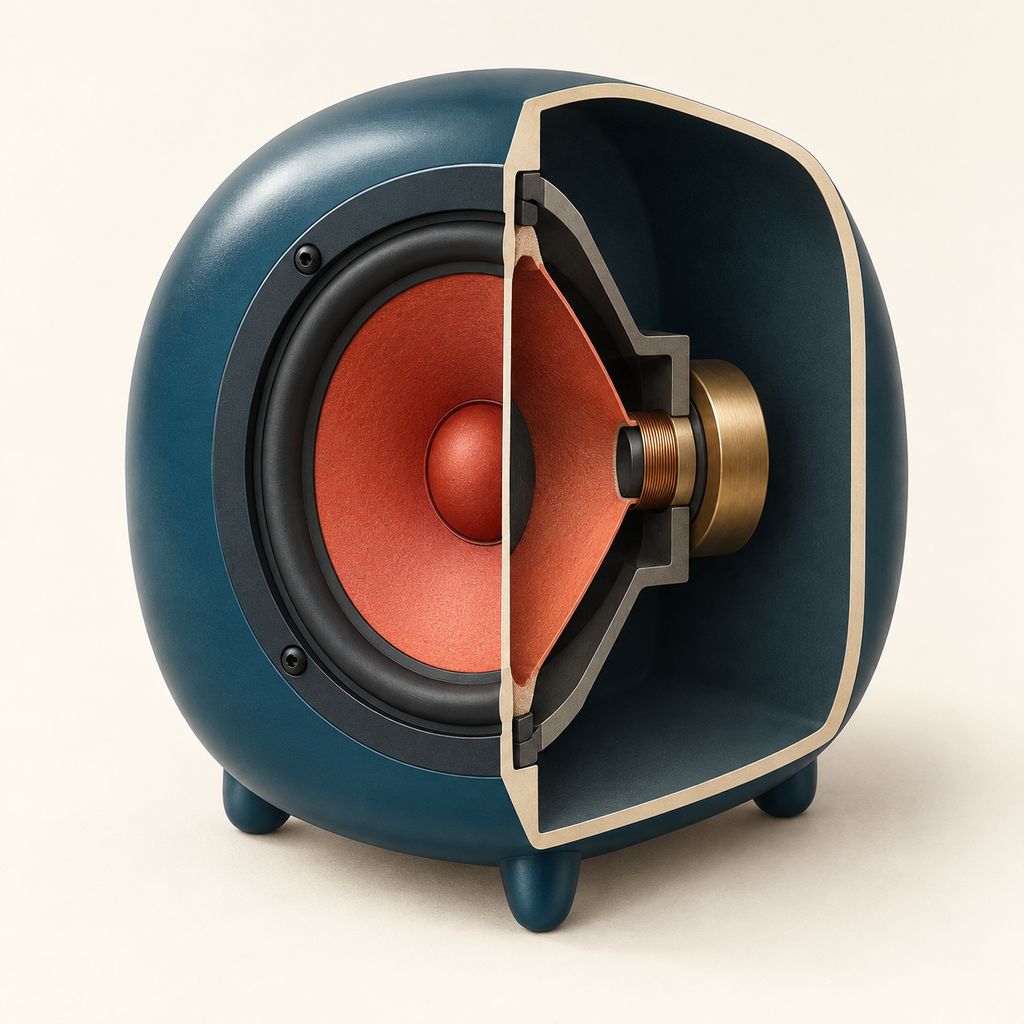
See Inside: Cutaways That Explain
Use 8 exact prompts to make the inside of an object readable through deliberate cuts, clear layers, and controlled reveals.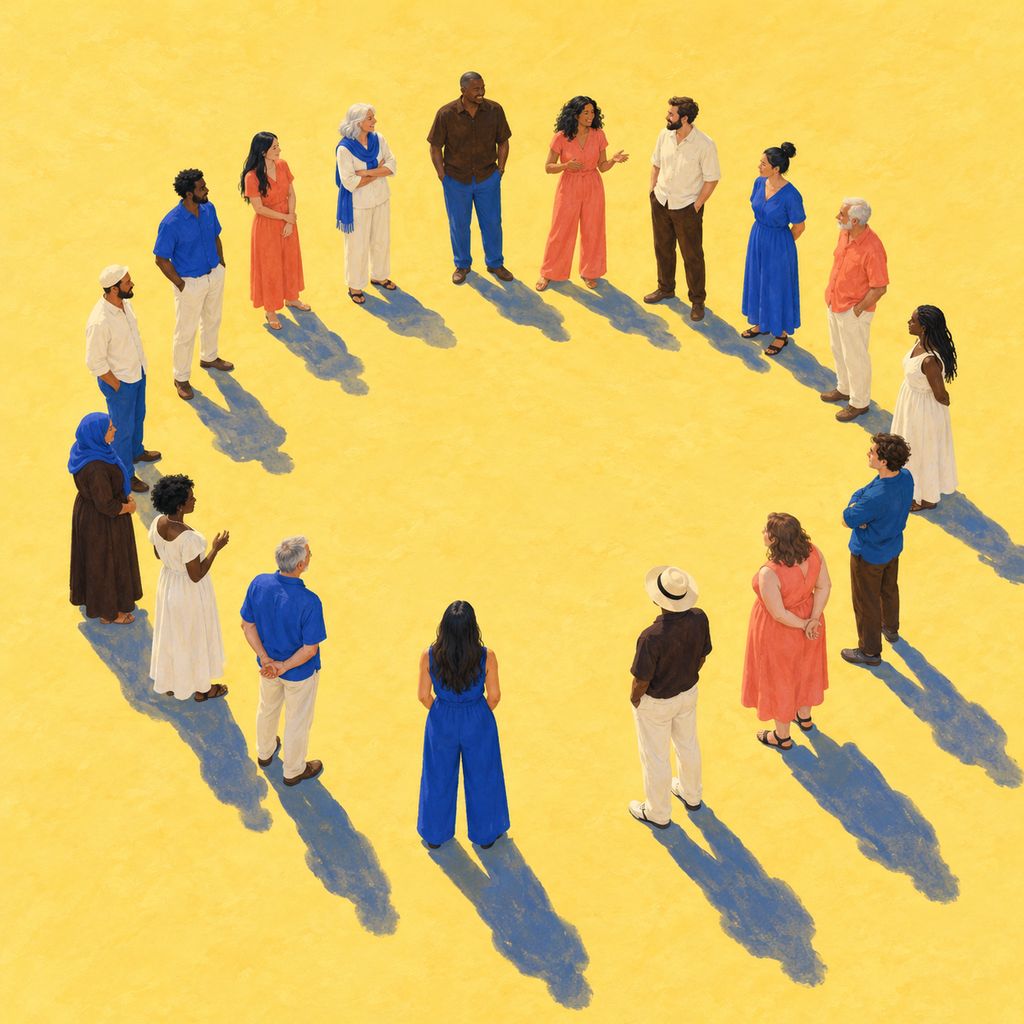
Crowd Choreography
Turn a crowd into a readable composition with eight prompts that control how people gather, move and look.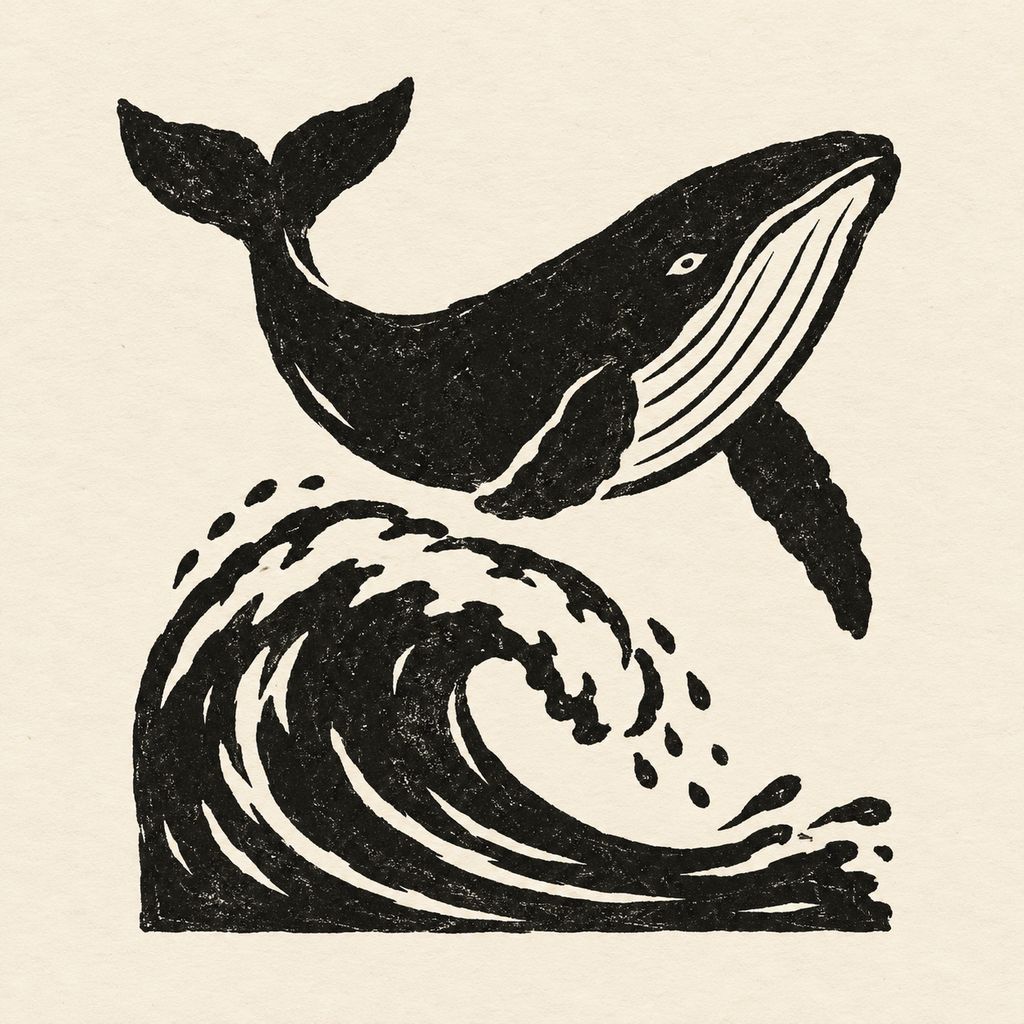
Carve the Light
Build bold linocut images by controlling what stays black, what gets cut away, and where a second ink belongs.Newsletter
One letter, every Sunday.Working systems, not hot takes.
Weekly. No spam. Unsubscribe anytime.