Replit vs Lovable (2026): Which AI App Builder Actually Ships Your Idea?
Replit vs Lovable in 2026: exact pricing, the credit math that sets your bill, where each one walls, and a plain rule for which to build on.
Published Updated
 By Omid Saffari



Replit and Lovable both turn a sentence into a working app, but they are built for two different people. Replit hands you a full cloud computer that builds, hosts, and runs the whole stack. Lovable hands you a polished web app and the code to own it. Pick wrong and you either fight infrastructure you never wanted or hit a wall the day you need a real backend.
The verdict in one line
Build on Replit when you want an all-in-one platform that writes the app, stands up a database, and hosts it without you touching infrastructure. Build on Lovable when you want a clean, design-led web app whose code you sync to GitHub and keep building in real engineering tools. The split is not "which is better at AI." It is platform versus artifact: Replit owns your whole stack; Lovable generates an app you take anywhere.
That single distinction decides almost every other call below, including the bill.
Prices are the live 2026 numbers from each vendor's pricing page. Both meter real usage in credits on top of the monthly fee, and that credit burn, not the sticker price, is what actually sets your bill.
What each one actually is
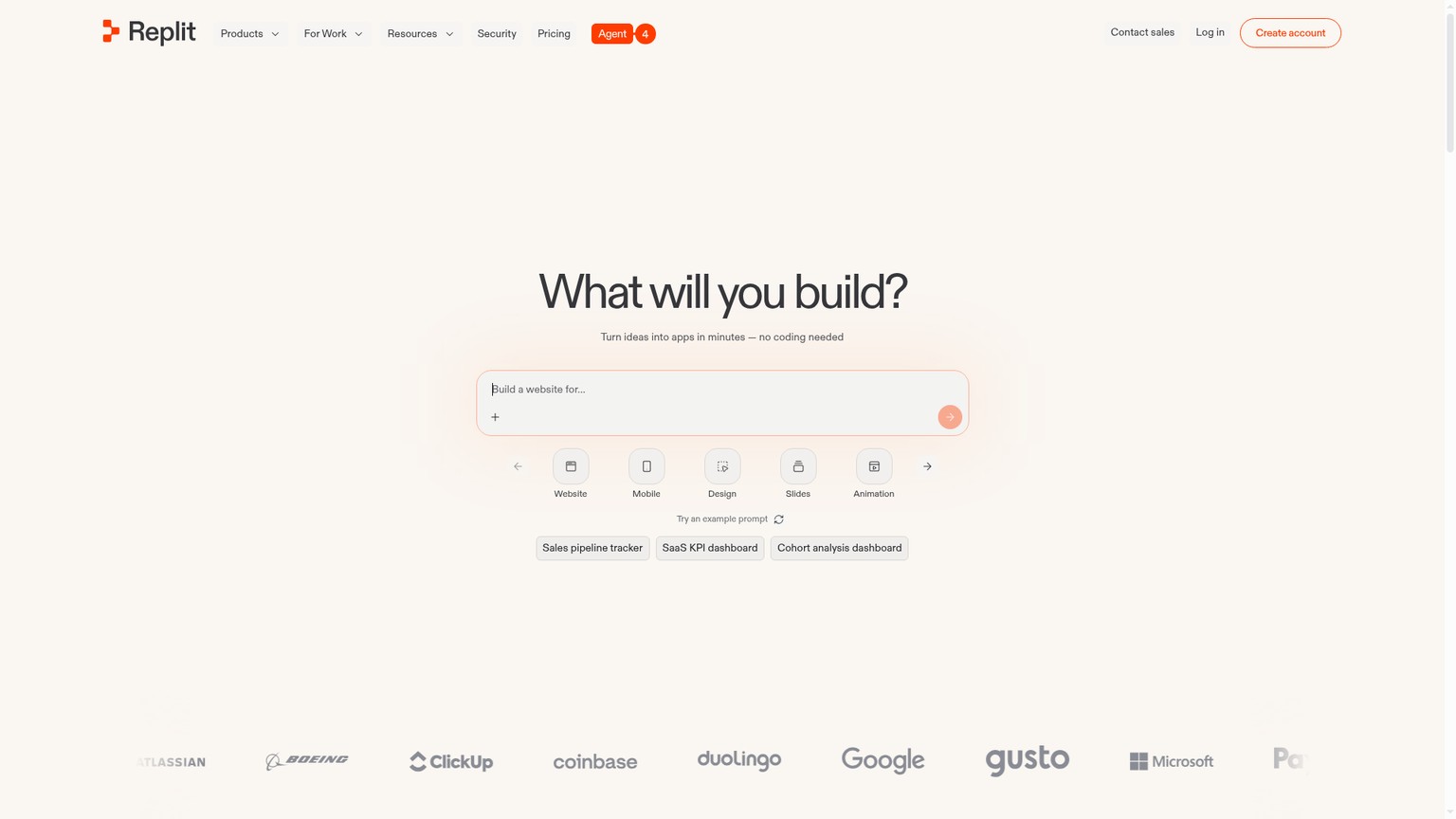
Replit is a cloud computer with an agent driving it. You describe an app and Replit Agent sets up the project, writes the code, stands up infrastructure, tests the result, and publishes it, all inside the browser. It is not just a code generator: there is a built-in database for full-stack apps, in-platform hosting, and project types beyond web apps (mobile, slides, design, data visualization). Agent can pull data from connected services like BigQuery, Slack, and Notion. A Plan mode lets you brainstorm and approve an ordered task list before it changes any code. The mental model is "a whole machine that builds and runs the thing for you."
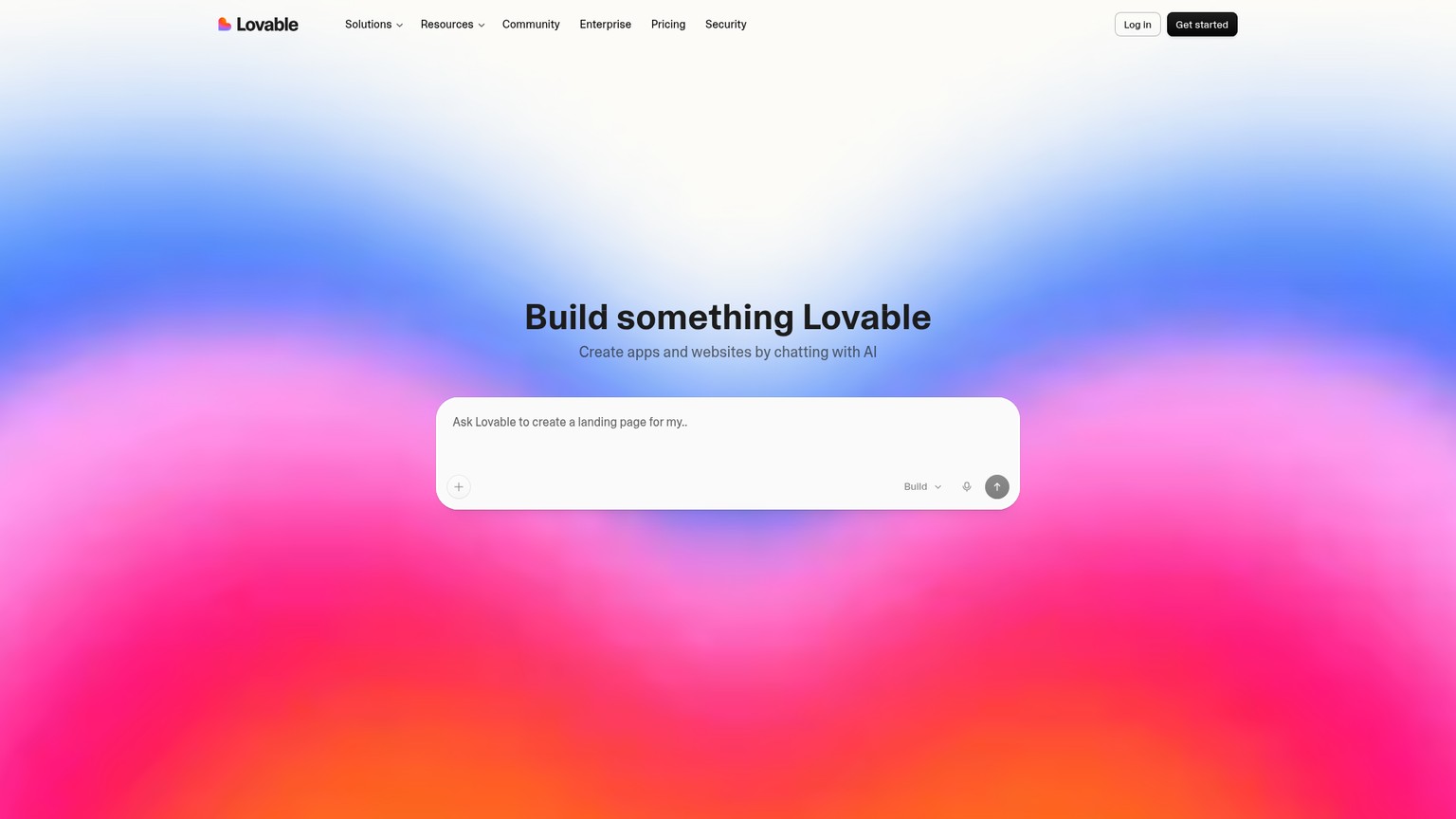
Lovable is a natural-language web app generator that hands you the code. You describe what you want and Lovable produces a production-grade web app with frontend, backend, database, authentication, and integrations, all backed by editable code. The defining feature is ownership: each project is a real codebase that syncs to GitHub and drops into an existing engineering workflow. Lovable's own audience tells the story of who it is for: individual makers building side projects, marketers shipping landing pages, and engineering teams reviewing and extending the generated code through GitHub. The mental model is "an app and its source, not a platform you live inside."
That difference is the whole comparison. Replit keeps you on Replit; Lovable expects you to leave with the code.
Pricing and the credit math that decides your bill
Both tools charge a flat monthly fee plus credits, and credits are the part that surprises people. A credit is a unit of usage: every time the agent does meaningful work, it burns some. The flat fee buys you a monthly credit allowance; heavy building burns through it, and then you either top up or wait for the next cycle. Two builders on the same plan can pay very differently depending on how much they ask the agent to do.
Here is what each plan actually costs and includes, current as of this run.
- Starter (Free): free daily Agent credits, a built-in database for full-stack apps, and you can publish up to 1 project. Enough to build and ship one small thing.
- Core, $20/mo (or $18/mo billed annually): $20 of monthly credits, up to 5 collaborators, work in parallel with up to 2 agents, unlimited workspaces, and the "Made with Replit" badge removed.
- Pro, $100/mo (or $90/mo annually): $100 of monthly credits, up to 10 agents in parallel, access to the most powerful models, database rollbacks for up to 28 days, and premium support. Higher credit tiers run $425, $825, and $2,000 per month for heavy use.
Replit also uses Effort-Based (pay-as-you-go) pricing, so a hard task costs more credits than an easy one.
Where each one hits a wall
Every tool breaks somewhere. Knowing where saves you the migration you did not budget for.
Replit walls at credit burn and lock-in. Because the agent does so much (infrastructure, testing, hosting), agent-heavy sessions eat credits quickly, and the $20 Core allowance is modest for a real build, you will feel the pull to Pro fast. The deeper wall is structural: your app leans on Replit's built-in database and hosting, so the platform owns the running app. That is a feature while you are shipping and a problem the day you want to move to your own infrastructure, because leaving means re-platforming, not just downloading a folder.
Lovable walls at the backend. Lovable is genuinely strong at the frontend and the standard backend pieces (auth, database, integrations), but the further you push into custom server logic, complex data models, or tight control over infrastructure, the more you feel that it was built to generate an app, not to be the environment you run a complex system in. The escape hatch is also its strength: because everything is editable code synced to GitHub, you outgrow Lovable by taking the code into a real IDE, not by starting over.
Which one for which builder
The right pick depends less on the tools and more on who you are and where the app is going.
The decision rule, stated plainly: do you want a platform that runs your app, or a codebase you take elsewhere? If the answer is "just make it work and keep it running and I don't want to think about deployment," that is Replit. If the answer is "build the first version fast, then I want to own and extend the code," that is Lovable. Almost everything else is detail.
Name the destination first
Decide where this app lives in six months: on a managed platform you never leave, or in your own repo and cloud. That answer, not the feature list, picks the tool.
Build the same first screen on both free tiers
Replit's free tier publishes one project; Lovable's free tier gives you ~30 build credits a month. Spend an hour on each with the same prompt and watch where the agent struggles.
Watch the credit meter, not the monthly price
Note how many credits your real first feature burned. Multiply out. That number, not the $20 versus $25 sticker, is your actual cost.
Commit before you scale
Once you know the destination and the burn rate, pick one and go deep. Switching mid-build is where weeks disappear.
Replit vs Lovable vs the rest
Neither one is the only door. If you are weighing the wider field, a few honest adjacencies:
- Lovable vs Bolt is the closer fight if you have already ruled out a full platform, two web app generators with different speed-and-polish tradeoffs. See Lovable vs Bolt (2026).
- Base44, the Wix-owned challenger, plays in the same describe-it-and-ship-it lane as both, with its own credit model. The head-to-head is in [Base44 vs Lovable (2026)](/blog/base44-vs-lovable-2026).
- If neither Replit nor Lovable fits, the broader ranked field is in [the best AI app builders for 2026](/blog/best-ai-app-builders-2026).
- And when a Lovable app outgrows its generated backend, the place it usually lands is a dedicated backend, which is its own decision: Supabase vs Firebase (2026).
What are the downsides of Replit?
Two real ones. Credits burn fast on agent-heavy builds, so the $20 Core allowance pushes you toward the $100 Pro plan sooner than you expect. And your app leans on Replit's built-in database and hosting, so moving off the platform later means re-platforming, not just exporting a folder. The free tier also publishes only one project.
Is Replit worth the hype?
For full-stack apps you want built, hosted, and run in one place without touching infrastructure, yes, it does the whole job. For a clean web app you intend to keep building in real code, Lovable's GitHub-first approach fits better. The hype is earned for the all-in-one use case and oversold for the "I'll take this to production myself" one.
Which AI app builder is better than Lovable?
It depends on the job, not on a single winner. Replit is better when you want an all-in-one platform that hosts and runs the app. Bolt is the closer match if you want a faster, code-leaning web generator. For Lovable's core strength, a polished web app whose code you own and sync to GitHub, little beats it at the $25 price.
How much does each really cost?
Replit Core is $20/mo and Pro is $100/mo; Lovable Pro is $25/mo and Business is $50/mo. But both meter usage in credits on top of the flat fee, so your true cost is the monthly fee plus whatever your build burns past the included credits. Budget for the floor, not the sticker.
Can I move my app off the platform later?
With Lovable, yes, cleanly: every project is editable code that syncs to GitHub, so you keep the source and take it anywhere. With Replit, the app depends on its built-in database and hosting, so leaving means re-platforming the backend and deployment, not just downloading the code. If portability matters to you, that difference is the deciding factor.
- Last Updated
- Category
- Build
- Language

LangGraph vs CrewAI
Compare LangGraph and CrewAI on the same approval workflow, state, memory, MCP, observability and current hosted-platform prices.Oct 7, 2026Build
How to Build MCP Server
Build an order lookup MCP server with Python, test it in Inspector, connect Claude Code and Cursor, then add HTTP auth and hosting.Oct 7, 2026Build
Gumloop vs n8n (Verified October 2026)
Gumloop vs n8n: current pricing, credits vs executions, self-hosting and the same AI lead workflow, with a verdict for each builder.Oct 7, 2026Build
AI Agent Frameworks in 2026: LangGraph, CrewAI, OpenAI Agents SDK, Claude Agent SDK, Mastra and Google ADK (Compared)
Compare eight AI agent frameworks by language, state, MCP, approvals and current hosted prices. Pick the right runtime for production.Oct 7, 2026Build
Codex Cloud
Set up a reusable Codex Cloud environment, keep coding tasks running with your laptop off, steer from your phone, and choose cloud or local CLI.Oct 7, 2026Build
GitHub Copilot Pricing (2026): The Seat Is the Floor, Credits Are the Bill
GitHub Copilot plans, AI Credits, model rates, and three worked monthly bills. Choose Pro, Pro+, Max, Business, or Enterprise with spending limits.Oct 6, 2026Build
GitHub Copilot CLI
Install GitHub Copilot CLI, sign in, fix tests and open a PR. Current GitHub plans, AI credits, models, permissions, MCP and instructions.Oct 6, 2026Build