Vibe Marketing in 2026: The Real Stack, the Real Cost, and Where It Breaks by Day 90
Vibe marketing means one operator running AI agents to ship campaigns in hours. Here's the real stack, what it costs, and where it quietly breaks.
Published Updated
 By Omid Saffari




Vibe marketing is one operator plus a rack of AI agents shipping a campaign in an afternoon that used to take a team two weeks. That promise is real. The part nobody prices is what the same setup does to your brand by day 90.
Here is the honest version, because the practice is moving faster than the thinking around it. Ramp recently posted a job listing for a "Vibe Growth Marketing Manager," which tells you the label has already jumped from Twitter bit to line item on an org chart. Below is what vibe marketing actually is in 2026, the exact tools that run it with current prices, what a working stack costs a month, where it genuinely earns its keep, and the failure mode the people running it are quietly starting to warn about.
What vibe marketing actually is (and the two things it isn't)
Vibe marketing is one marketer directing AI agents to produce, test, and ship campaigns in hours instead of weeks. An AI agent, in plain terms, is a piece of software you give a goal and some tools, and it carries out the multi-step work on its own: draft the copy, spin up five ad variations, build the landing page, schedule the posts. You set the direction and the taste. The agents do the production.
The clearest definition comes from Josipa Majic Predin, writing in Forbes: "a single marketer armed with AI agents and workflows, testing dozens of angles in real time, launching campaigns in days rather than weeks, turning gut instinct into a scalable, data-driven system." The term borrowed its shape from "vibe coding," coined by Andrej Karpathy, the former Director of AI at Tesla, in February 2025, to describe building software by describing what you want and letting the model write it. Swap code for campaigns and you have the idea.
Two quick corrections, because the phrase is used loosely. First, this is not the old meaning of "vibe" as brand mood, the lo-fi-beats-and-aesthetic-TikTok reading. That version was about the feeling of an ad. This version is about the operating model behind it: a human curating a fleet of agents. Second, "Vibe" is also the name of a connected-TV advertising company, which is a completely different thing from the practice. If you searched the term and landed on streaming-ad pricing, that was the company, not the method.
The reason this matters to your numbers is speed and headcount. 85% of marketers already report using AI for content creation, per CoSchedule's data, and roughly 80% say it increases their efficiency. Vibe marketing is what happens when you stop using AI as a faster typewriter and start using it as a production line you supervise. The output is not "better copy." It is more shots on goal per week from the same person.
How the loop actually works
The whole practice is one loop, run fast and often. Master the loop and the tools are interchangeable.
Define the vibe
You hand an agent the brief the way you would brief a sharp junior: the goal, the audience, the brand voice, the constraint. "Write five hooks for our refund-policy update, plainspoken and reassuring, no exclamation points, under 20 words each." The tighter the constraint, the less slop comes back.
The agent generates
The agent returns variations, not one answer. Five hooks, three landing-page angles, ten ad captions. This is the step that used to be a week of a copywriter's time and is now ninety seconds.
Judge against data and gut
You read the output the way an editor reads, not a proofreader. Which angle is actually on-brand? Which hook would you screenshot? If you have live performance data, feed it back in: "the second hook is outperforming, give me eight more like it." This judgment is the job. The agent has taste only if you supply it.
Ship and iterate
Push the winner live, watch the numbers, and run the loop again on what worked. The advantage is not any single asset. It is that you can go around this loop daily instead of monthly.
The mental shift is the hard part. In this model you are a curator and director, not a producer. Your value moves from making the thing to knowing which thing is worth making, and killing the nine that aren't. If you got into marketing because you love crafting the sentence yourself, this will feel wrong for a while. That is normal, and it is not a reason to avoid it.
The stack, priced
You do not need every tool below. You need one from each role. Here is the full stack an operator running the play tends to land on, with current prices, so you can see the real monthly floor before you commit.
The brain. The loop starts with a chat model, and the two that matter are ChatGPT and Claude, both at $20 a month for the consumer tier (ChatGPT Plus, Claude Pro). That $20 does most of the ideation, copy, and judgment work for a solo operator. You only step up to ChatGPT Pro at $200 a month, or Claude Team at $30 per user, when you are running enough volume that rate limits start to bite. Start at $20. The jump is easy to justify later and easy to over-buy early.
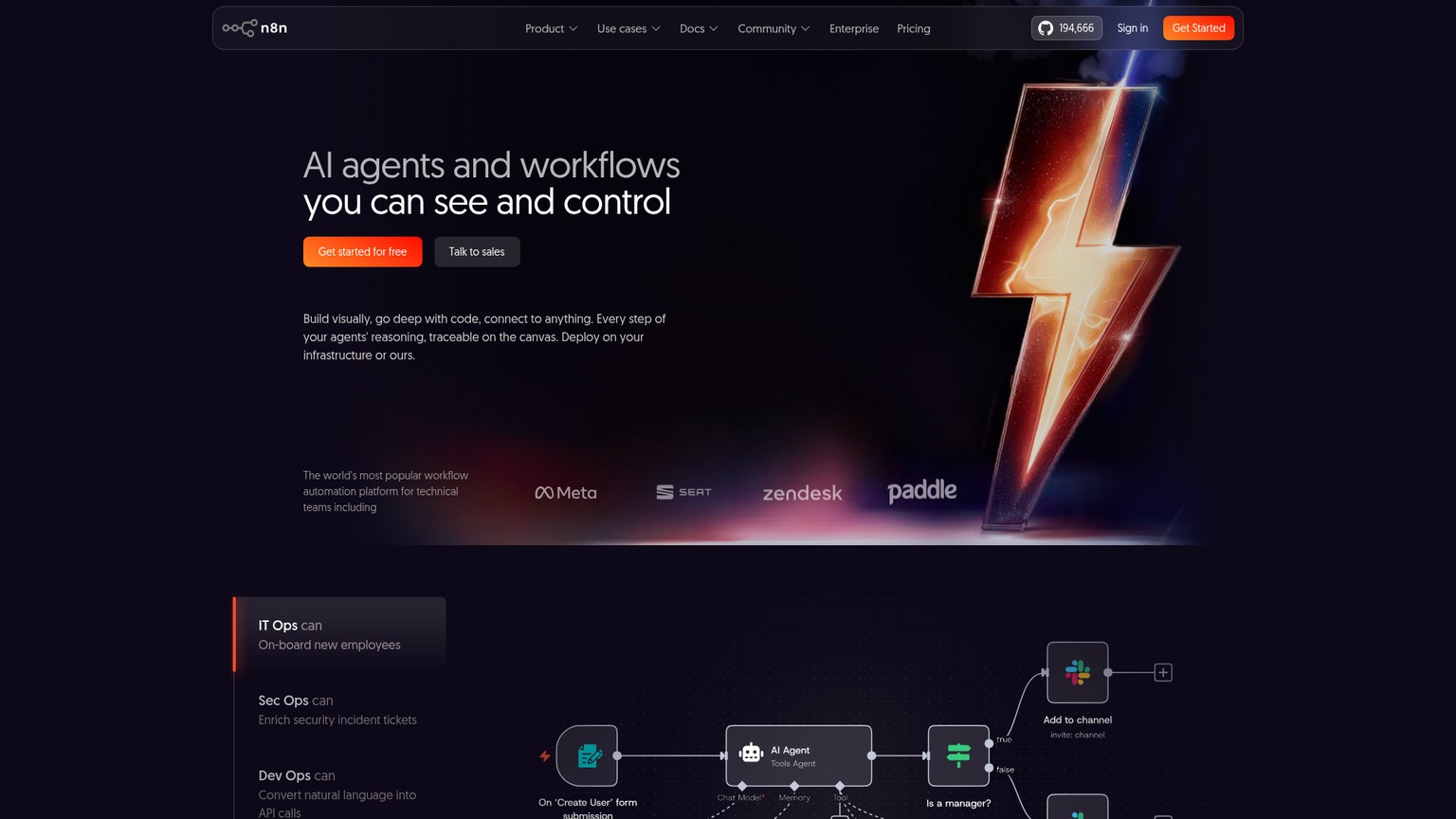
The orchestrator. n8n is the automation backbone that connects your brain to your actual tools, so a prompt can trigger a real sequence: draft, save to your CMS, post to your channels, log to a sheet. It is workflow automation with AI steps built in, and it is the tool the practitioner community keeps landing on because it is genuinely powerful and can be self-hosted for free. The paid cloud plans are Starter at $20 a month and Pro at $50 a month (both billed annually), with a $800-a-month Business tier once you are running production workloads across a team.
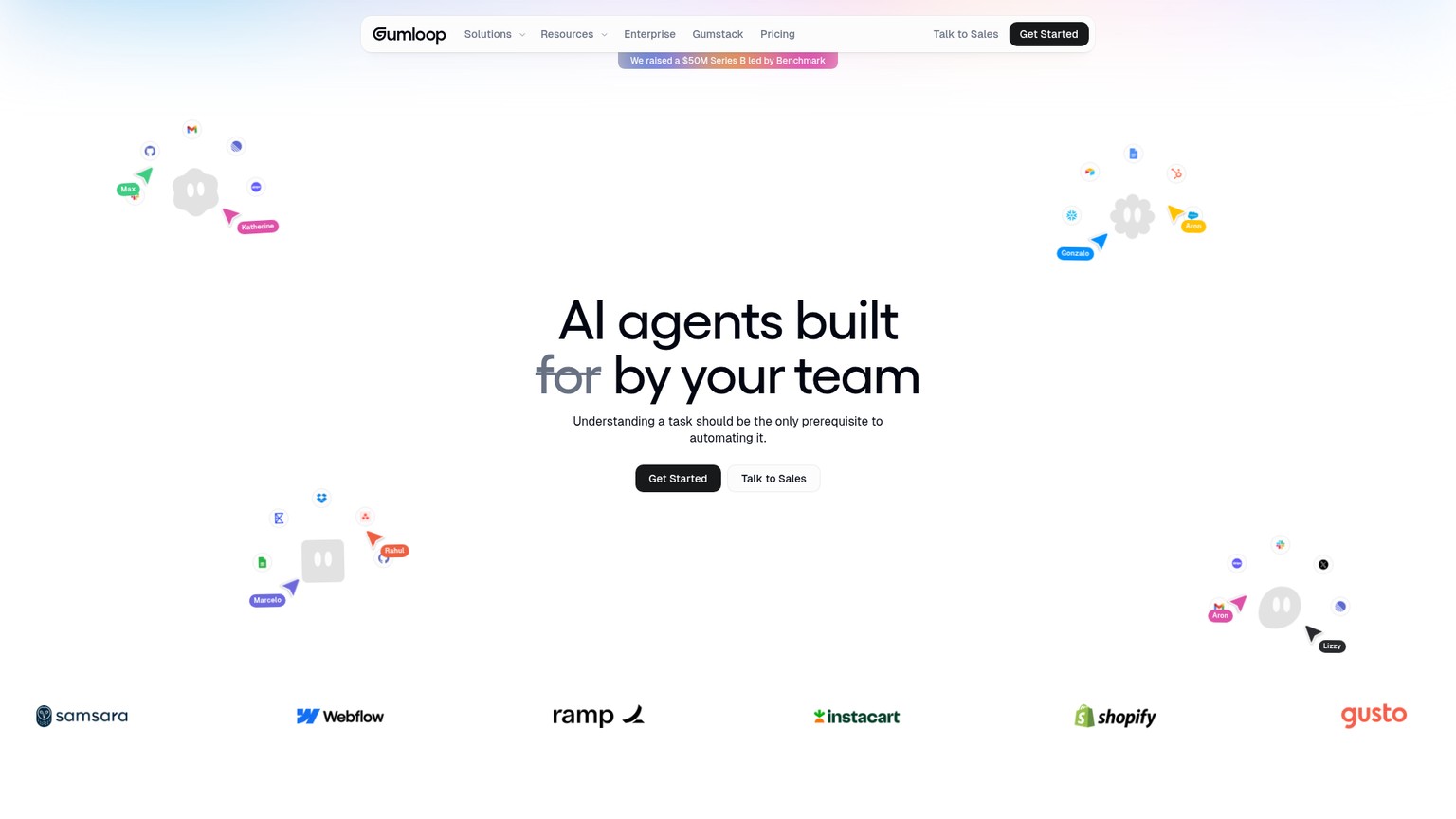
Gumloop is the no-code option for the same job, and it is where a lot of non-technical marketers actually start. Instead of wiring nodes, you describe the workflow and drag blocks, which lowers the barrier from "can you build automations" to "can you describe a process." It runs free at 5,000 credits a month, and Pro is $37 a month for 20,000-plus credits. The company raised a $50 million Series B led by Benchmark, so this is not a weekend project that vanishes next quarter.
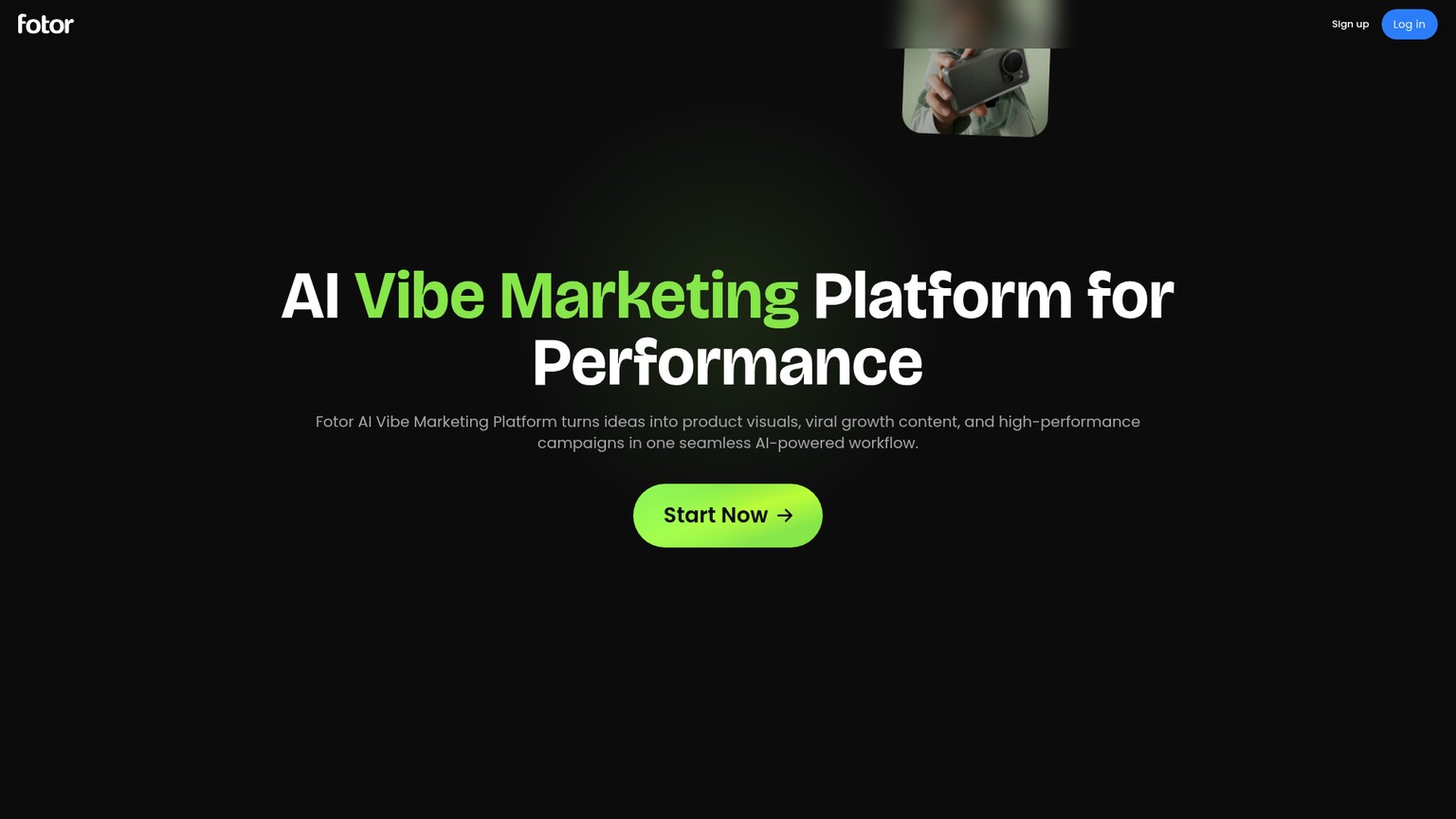
For creative, Fotor recently shipped a dedicated Vibe Marketing tool, which is a sign of where the category is heading: it turns a product idea or link into ad-ready visuals and short video without a designer in the loop. The pricing is the friendliest on this list. Free forever with limited credits, Pro at $8.99 a month (or $39.99 a year), and Pro+ at $19.99 a month with 3,600 credits a year. One quietly useful detail: unused credits roll over for up to five months while you stay subscribed, so a slow month is not money burned.
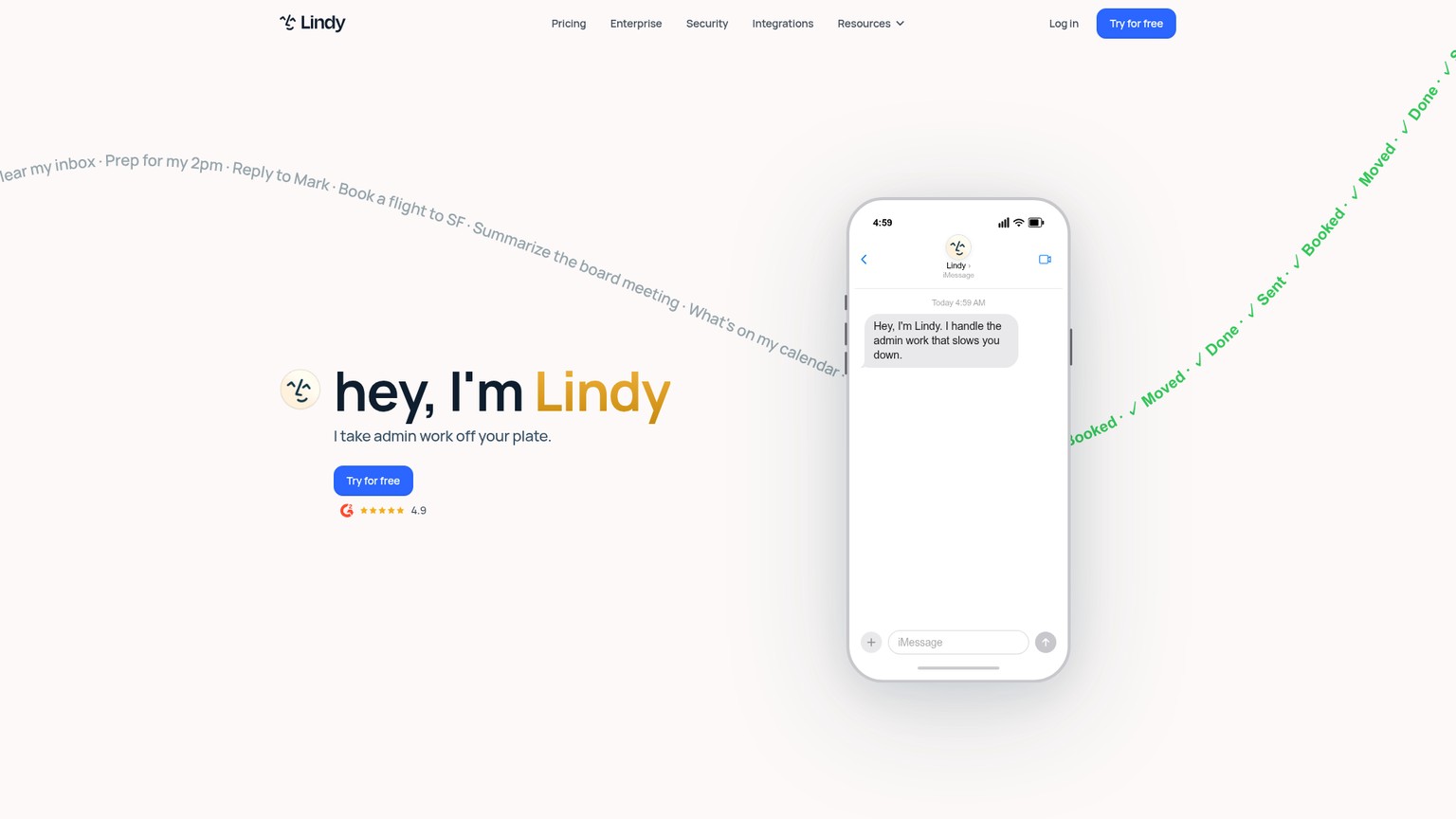
Lindy sits in a different spot as a standalone AI assistant that can run agents against your inbox, calendar, and connected apps. It is worth knowing because it keeps showing up in vibe-marketing conversations, though be clear-eyed: Lindy has repositioned toward a personal-assistant product, with a 7-day free trial and paid plans running from around $50 a month to $199.99, and an $8,000-a-month enterprise tier. For most marketers, n8n or Gumloop covers the orchestration need for a tenth of the price; reach for Lindy only if you want an always-on assistant more than a campaign pipeline.
The tools themselves grew straight out of the vibe coding movement, which is worth understanding if you want to see where the marketing versions are headed next.
What a working stack actually costs
A solo vibe-marketing stack runs about $115 to $170 a month. That is one chat model at $20, an orchestrator like n8n Pro at $50, a no-code agent layer like Gumloop Pro at $37, and Fotor for creative at $8.99, with room for one more tool. For context, that is less than a single day of a mid-level freelance copywriter, and it runs every day of the month.
A two or three person team lands higher, roughly $400 to $900 a month once you add per-seat chat licenses (Claude Team at $30 a user), a heavier n8n plan, and possibly Lindy's assistant layer. Still a rounding error against one junior marketing salary, which is exactly why the model spreads.
If you want to pressure-test whether the agent layer pays for itself before you wire up a stack, the real cost-and-payback math on AI marketing agents is the sober version of this same question.
Where it wins (depending on who you are)
The practice is not one-size-fits-all, and the honest answer to "should I do this" depends entirely on your business.
A DTC ecommerce brand wins on trend-jacking and asset repurposing. When a format goes viral on a Tuesday, the vibe-marketing brand has fifteen on-brand variations shipping by Wednesday while the traditional team is still booking the design review. This is the modern version of Oreo's "Dunk in the Dark," the 2013 Super Bowl blackout tweet that a small team fired off in minutes and that half the ad industry called the night's real winner. What was once a lucky reflex from a brand with a war room is now a repeatable loop any store owner can run.
A B2B SaaS growth lead wins on prototyping before spending. Instead of committing budget to one campaign concept, you spin up five landing-page angles and ten ad hooks in an afternoon, run tiny tests, and only fund the one the data likes. You are buying cheap information about what works before you buy expensive traffic.
A solo agency owner running five client accounts wins on pure leverage. The loop lets one person produce something close to a small team's output, which is the entire economic case for staying solo instead of hiring. The catch, and it is a real one, is that five brand voices in five agent setups is five chances for the wrong one to bleed into the wrong account. Discipline about separation matters more the more clients you run.
A local-services owner, a clinic or a brokerage or a realtor, wins on never being the slow one. A neighborhood trend, a seasonal moment, a competitor's misstep: the vibe-marketing operator responds same-day with something that looks professional, while the going rate for local marketing is a post every ten days when someone remembers.
Where it breaks (the day-90 problem)
Here is the part that decides whether this pays off or quietly costs you, and it is the reason to read on before you go all in.
The first two weeks are euphoric. Output triples, the dashboards fill, everything looks like it is working. The problems show up around day 90, and the operators running the play are the ones now naming them. Creative fatigue sets in as the agents, trained on the same inputs, start converging on the same shapes, and your feed slowly turns into a stream of competent, forgettable, slightly-samey content. Audiences get misread, because an agent optimizing for engagement will happily walk your brand toward whatever gets clicks, which is not always whatever gets customers.
The quiet killer is documentation. When one person and a swarm of agents ship forty assets a week, nobody writes down why. So when performance dips, you cannot diagnose it, because there is no record of the reasoning, only the output. You lose the thread of your own strategy.
Then there is brand drift. Hand the voice to an agent for long enough and the voice becomes the agent's, a smoothed-out, on-trend, characterless average. Greg Isenberg's term "vibe revenue" points at the same trap from the money side: motion that looks like output but does not convert to results. A full content calendar is not the goal. Booked revenue is, and it is entirely possible to vibe your way to the former while the latter flatlines.
- Speed no traditional team can match: campaigns in hours, not weeks
- Cheap experimentation, so you test before you spend
- Real leverage for solo operators and small teams
- Same-day response to trends and cultural moments
- Creative fatigue and sameness by month three
- No documentation, so you cannot diagnose what broke
- Brand drift when the agent owns the voice
- "Vibe revenue": output that looks like results but isn't
- A hard no for regulated, high-stakes, or long-cycle campaigns
That last point is the firm line. If you are in a regulated industry, healthcare, legal, financial services, or you are running a long-cycle, high-consideration campaign where every claim carries liability, do not hand the wheel to an agent. The speed you gain is not worth the compliance exposure. Vibe marketing is for the fast, iterative, lower-stakes end of the funnel. It is not for the fine print.
Who should run it, and who should wait
Run it if you have three things: a defined brand voice you can actually write down and brief into an agent, a human editor who will judge and kill output rather than rubber-stamp it, and real measurement so you can tell vibe revenue from actual revenue. With all three, the model is a genuine unfair advantage.
Wait if any of the three is missing. No clear voice means the agents will invent one, and you will not like it. No editor means the slop ships. No measurement means you will mistake motion for progress for about a quarter before the numbers force the reckoning. Fix the missing piece first, then turn on the agents. The tooling is cheap and it is not going anywhere; the discipline is the scarce part.
A reasonable way in: pick one narrow workflow, say turning a single product page into five ad variations, and run it end to end in one tool until the loop is muscle memory. Add a second tool only when the first has paid for itself. Most people fail at vibe marketing by buying the whole stack in week one and drowning, not by starting too small.
What is vibe marketing?
It is the practice of one marketer directing AI agents and automation to generate, test, and launch campaigns quickly. The human sets the goal, brand voice, and taste; the agents handle production and scaling. It evolved from "vibe coding," where a developer describes what they want and the AI writes it.
How does vibe marketing work?
As a loop. You brief an AI agent with your goal and constraints, it returns variations, you judge them against data and instinct, you ship the winner and iterate. The advantage is that you can run this loop daily instead of monthly, so you get far more shots on goal from the same person.
How do you learn vibe marketing?
Pick one narrow workflow and run it end to end in a single tool before adding anything else. Turning a product page into five ad variations is a good first loop. Learn to write a tight brief, learn to judge output ruthlessly, and only expand the stack once the basic loop is automatic.
Is vibe marketing just for social media?
No. Social is the loudest use case, but the same loop drives landing pages, email, ad creative, and content of any kind. It works anywhere a human is willing to direct and edit instead of hand-produce. It does not work for regulated or high-liability messaging, where speed is not worth the risk.
Does vibe marketing replace marketers?
It replaces production hours, not judgment hours. The agents draft, resize, and schedule; the marketer decides what is worth making, what is on-brand, and what to kill. If anything, taste and editorial judgment become more valuable, because they are the only scarce inputs left in the loop.
The same speed advantage is reshaping how brands get found in AI answers, not just how they make ads. If discovery is your bottleneck, the playbook for getting cited by ChatGPT and Perplexity is the companion move to this one.
If you want the operator's version of these calls, the stack math and the honest trade-offs, in your inbox as the tools shift, subscribe to the newsletter. One email, no vibe revenue.
- Last Updated
- Category
- Growth
- Language

Beehiiv Pricing: Annual Costs by List Size
Beehiiv pricing verified October 2026: annual bills at 1k, 10k, 50k and 100k subscribers, plan features, October changes and paid newsletter fees.Oct 9, 2026Growth
Pipedrive Pricing: Plans, Add-ons and Team Costs
Current Pipedrive seat and add-on prices, annual vs monthly budgets for 3 and 10 users, AI features, and when Premium costs less.Oct 8, 2026Growth
Lemlist Pricing: Seats, Credits and Sending Costs
Lemlist pricing by month, quarter and year, including credits, mailboxes and add-ons. See founder, sales team and agency bills plus alternatives.Oct 8, 2026Growth
Tidio Alternatives
Compare seven Tidio alternatives by support job, current pricing and billing unit. See who should switch, what migration costs and when Tidio wins.Oct 7, 2026Growth
Vista Social Pricing: What Your Profiles and Team Cost
Vista Social starts at $99/month. Compare annual prices, profile and user limits, AI features, add-ons, three bills and cheaper options.Oct 7, 2026Growth
Unbounce Pricing 2026: Plans, Visitor Limits and Testing
Unbounce starts at $29/month. Compare all six plans, annual rates, visitor and domain limits, A/B testing, Smart Traffic and the cheapest fit.Oct 7, 2026Growth
Best AI Ad Generator in 2026: AdCreative.ai, Atria, Creatify & Arcads (Compared)
Choose AI ad tools by job: static ads, UGC-style video or creative research. Compare current maker pricing, credit units and free entry.Oct 6, 2026Growth