GPT 6 Explained: Models, Release Dates, Access, and Prices
GPT-6 Astra, Sol, 6.1 Sol and Luna explained: release dates, ChatGPT plan access, Work and Codex availability, and verified API costs.
Published
 By Omid Saffari





GPT 6 is a family of models whose standard API prices range from $0.10 to $10 per million input tokens. Use GPT-6.1 Sol as the starting point for complex paid work, GPT-6 Luna for inexpensive repeatable tasks, and GPT-6 Astra when the hardest problems justify the premium. In ChatGPT, your plan and the experience you open determine which family member you get.
Verified against OpenAI's announcements, Help Center and API pricing on October 9, 2026. Recommendations and worked budgets below are editorial analysis, not results from a hands-on model test.
What Is GPT 6?
GPT-6 names a model family; ChatGPT, Work, Codex and the API are ways to use it. A model is the system generating the answer. The product around it supplies the interface, tools, permissions and billing.
The family includes GPT-6 Astra, the premium choice for demanding work; GPT-6 Sol, the original middle option; GPT-6.1 Sol, its newer upgrade; and GPT-6 Luna, the inexpensive option for focused work at scale. OpenAI's Astra announcement, Sol and Luna announcement and GPT-6.1 Sol announcement establish those roles.
For a buyer, “includes GPT-6” is an incomplete specification. Ask which model, in which experience, with which allowance. A Chat conversation using Sol and a Codex task using Astra can sit under the same subscription while providing different capabilities and consuming different allowances.
GPT-6 Pricing: What Each API Model Costs
Luna has the lowest token prices; original Sol and 6.1 Sol share ordinary input and output rates. All prices below are US dollars per million tokens, using Standard processing and short context. A token is a small unit of text processed by the model; input is what you send, output is what it generates, and cached input is eligible context reused from earlier processing.
Sources: OpenAI's API pricing for Astra, 6.1 Sol and Luna; the Sol launch prices and 6.1 Sol's explicit cached-price comparison for original Sol.
These are usage rates, not subscription fees or prices per answer. OpenAI's public pricing page scopes its headline rates to context below 272,000 tokens. Longer context, speed modes, cache writes and tools can change the bill. For example, Standard short-context cache writes cost $2.50 per million tokens for GPT-6.1 Sol; the $0.10 cached-input rate describes reuse, not creating that cache. Detailed API rates.
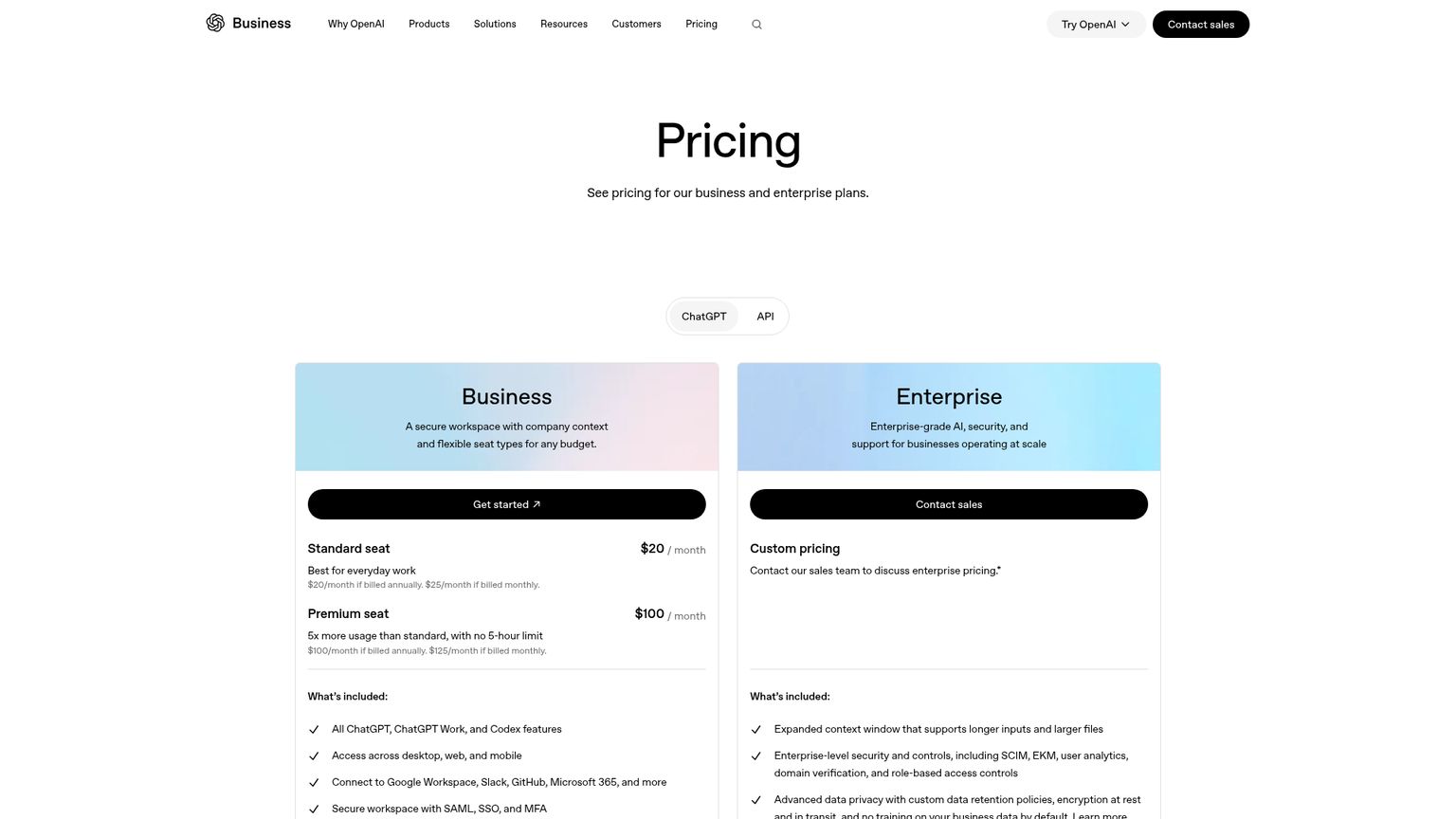
For full application budgets and processing options, use our OpenAI API pricing guide.
GPT-6 Release Date: The Family Arrived in Stages
There is no single release date that describes every GPT-6 model and every product. The relevant sequence is:
- September 3, 2026: GPT-6 Astra was announced with an initial limited rollout. OpenAI said broader availability would follow, so the announcement date is not proof that every account had access that day. ChatGPT release notes.
- September 22, 2026: GPT-6 Sol and GPT-6 Luna arrived for Work, Codex and the API. OpenAI's launch.
- September 29, 2026: GPT-6.1 Sol was introduced as the Sol upgrade. OpenAI's dated Sol announcement update.
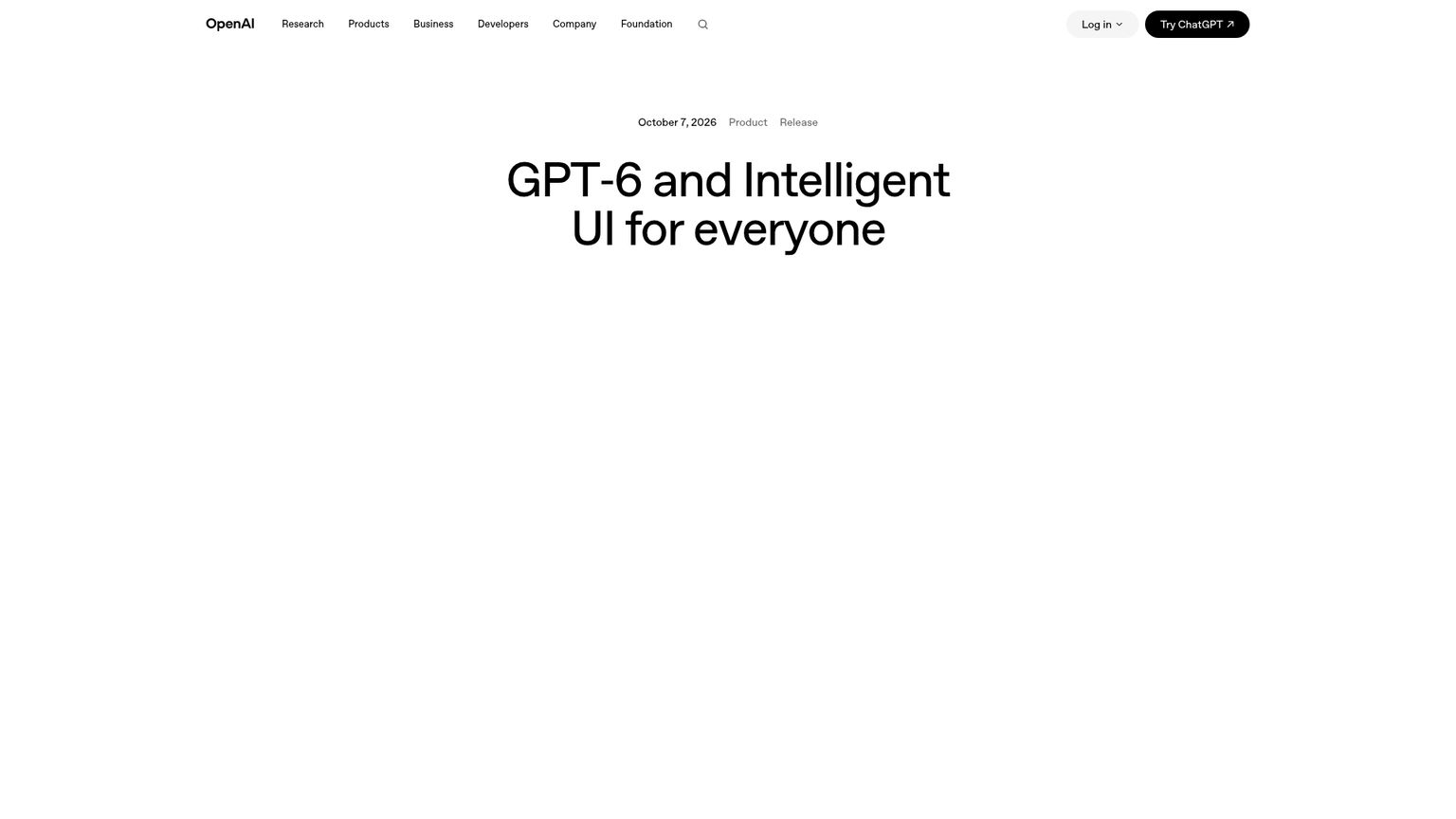
- October 7, 2026: GPT-6 with Intelligent UI began rolling out in paid ChatGPT Chat. October 8, 2026 was the announced expansion to Free and Go. OpenAI's dated Chat announcement.
That last distinction matters if you heard “GPT-6 launched on October 8.” It describes the next stage of Chat access, after the underlying family had already reached other products.
Which GPT-6 Model Do You Get in ChatGPT?
Chat access follows your plan, and the October rollout does not turn regular Chat into GPT-6.1 Sol. OpenAI's rollout announcement maps the plans this way:
- Free and Go: GPT-6 Luna, starting with the October 8 expansion.
- Plus, Pro, Business and Enterprise: GPT-6 Sol in Chat, with the rollout starting October 7.
- Pro reasoning on eligible plans: GPT-6 Pro, powered by GPT-6 Astra, remains a separate choice.
The first two mappings come from the Chat launch announcement; Astra's Pro-effort distinction is confirmed in the release notes.
Intelligent UI is the ability to answer with an appropriate mix of text, visuals and interactive controls. A buyer comparing options might get an interactive comparison; an operator exploring a calculation might get a tool inside the conversation. OpenAI also says answers can start appearing while the model continues thinking. The release changes the Chat experience; it does not change the models powering Work or Codex. OpenAI's announcement.
The thinking levels still depend on your plan. OpenAI lists Medium and High for Plus, while Pro, Business and Enterprise also include Extra High and Pro, subject to workspace access. Intelligent UI works from Instant through Extra High where available; Pro effort with Astra does not support it. Model and thinking-level guidance.
A subscription decision should follow the work you need to do, not the family label. Our ChatGPT pricing guide covers the plans; Is GPT-6 Luna Free? separates included access from paid usage.
Where GPT-6 Runs in Work, Codex, and the API
Work and Codex provide a different model choice from Chat. ChatGPT Work handles longer tasks and finished deliverables such as reports or spreadsheets. Codex focuses on software development. OpenAI documents those roles in ChatGPT Work and Codex.
GPT-6 Astra: OpenAI includes Astra in Work and Codex on Plus and supports it on eligible Pro and managed plans. Plus access to Astra in those experiences does not grant the Pro reasoning option in regular Chat. Astra is also available through the API as gpt-6-astra. Astra availability and Chat model eligibility.
GPT-6 Sol: The launch included Work and Codex for Plus, Pro, Business, Enterprise and Edu, plus API access as gpt-6-sol. The October Chat rollout adds the conversation-tuned Sol experience for its named paid plans. Sol launch and Chat rollout.
GPT-6.1 Sol: OpenAI lists Plus, Pro, Business, Enterprise and Edu access in Work and Codex, and API access as gpt-6.1-sol. It is not listed as available in regular Chat. For a builder choosing a Sol model directly, this is the newer candidate to evaluate first. GPT-6.1 Sol availability.
GPT-6 Luna: OpenAI launched Luna in Work and Codex for those paid plans and made it accessible to Free and Go users in the desktop app. The API identifier is gpt-6-luna; Free and Go Chat access was added in the October rollout. Luna launch availability.
Codex access itself is broader than Codex Cloud access: OpenAI includes Codex across ChatGPT plans, but excludes Free and Go from Codex Cloud. A desktop entitlement does not imply every cloud feature. Codex plan documentation.
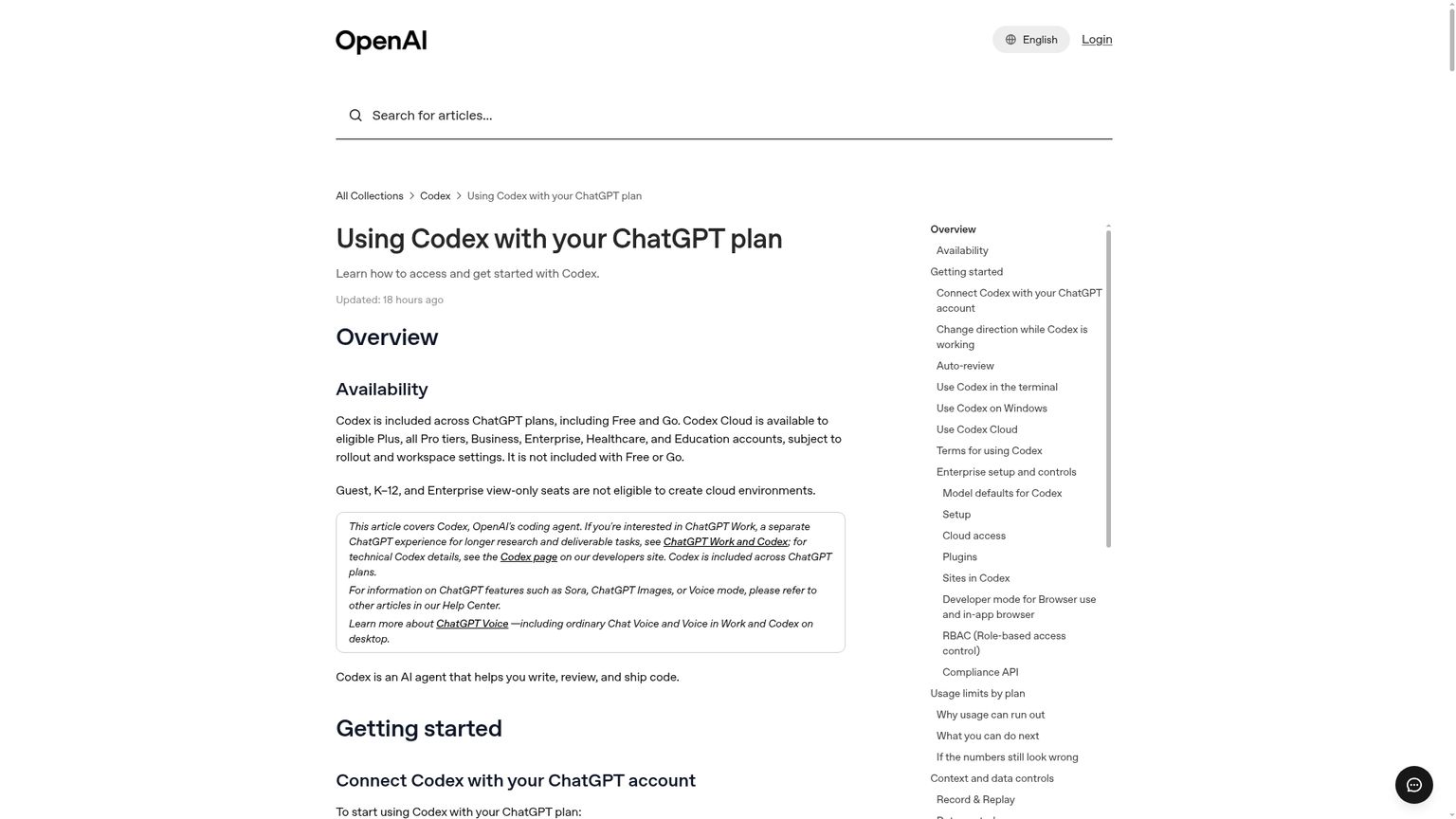
The billing distinction is just as important. Signing into Codex with ChatGPT uses your plan's allowance; using your own API key uses API pricing. Do not estimate included subscription tasks by dividing your monthly fee by the API token table. OpenAI's billing explanation.
Which GPT-6 Model Should You Use?
Choose the least expensive option that passes your acceptance criteria, then escalate the tasks it cannot handle reliably. The following are editorial starting points based on OpenAI's model positioning and prices, not measured win rates from our own tests.
OpenAI presents Astra as its strongest option for difficult work, 6.1 Sol as a lower-cost choice for complex tasks, and Luna for focused high-volume work. Those roles support a starting point, not a promise about your workload. Astra, 6.1 Sol, Luna.
For a funded founder, the acceptance criterion might be a feature that passes the existing checks. For an operations lead, it might be a correctly prepared report with traceable inputs. For a CTO, it might include permission boundaries and recovery from a failed tool call. “The answer sounds good” is too weak for all of them.

Our GPT-6 Sol vs Luna comparison goes deeper on the low-cost choice. The GPT-6.1 Sol vs GPT-6 Sol guide covers the upgrade decision.
What the Prices Mean for a Working Budget
The model choice can change token spend dramatically even before tools and retries enter the picture. Consider an illustrative monthly workload of 10,000 tasks, each using 2,000 uncached input tokens and 500 total billable output tokens. These are scenario assumptions, not measured usage. Assume Standard short-context processing and exclude tools, cache writes and regional surcharges.
That is 20 million input tokens plus 5 million output tokens. Applying the verified rates gives:
- GPT-6 Luna: $4.50, calculated as 20 × $0.10 + 5 × $0.50.
- GPT-6 Sol or GPT-6.1 Sol: $90, calculated as 20 × $2 + 5 × $10.
- GPT-6 Astra: $450, calculated as 20 × $10 + 5 × $50.
These are our calculations from OpenAI's API prices, holding token counts constant. Models may use different amounts of reasoning, context and iteration to complete the same job.
The historical comparison also needs precision. OpenAI's Sol/Luna launch listed the previous promotional GPT-5.6 Sol rates at $4 input and $20 output, and GPT-5.6 Luna at $0.20 input and $1.20 output, per million tokens. At those rates, the same workload would cost $180 for Sol or $10 for Luna. The new totals save $90, or 50%, for Sol, and $5.50, or 55%, for Luna. The latter is our weighted calculation, not a blanket claim that every Luna billing component fell by the same percentage. OpenAI's launch comparison.
When Does Trying Luna First Stop Saving Money?
Under the example's assumptions, a Luna attempt costs $0.00045 and a Sol attempt $0.009. If a failed Luna attempt always triggers a fresh, equally sized 6.1 Sol attempt, the expected cost is:
$0.00045 + retry share × $0.009.
That equals going straight to Sol at a 95% retry share. At a hypothetical 10% retry share, token spend would be $13.50 for the workload, versus $90 using Sol directly. This is an accounting boundary, not an acceptable failure target: extra context, evaluation calls, latency and human review can erase the saving well before it.
For an operator, the more useful comparison is the $85.50 premium for starting every task on Sol. If Luna creates review work worth more than that, the cheaper token rate has not produced the cheaper process. Similarly, Astra costs $360 more than Sol in this scenario; it earns that premium only if better outcomes or less rework justify it.
The Sol Upgrade Cuts the Cached Portion
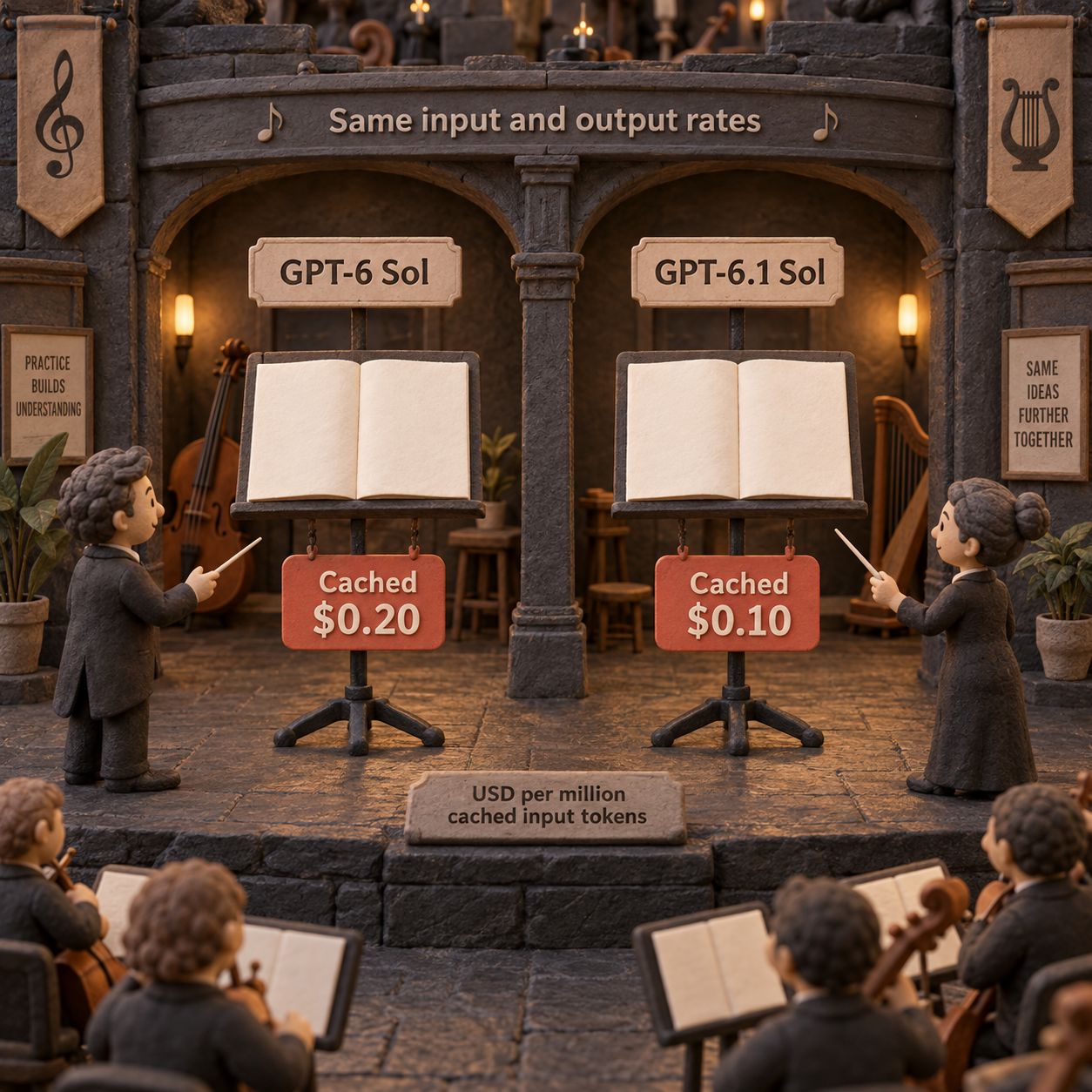
GPT-6.1 Sol halves original Sol's cached-input rate; it does not halve the whole bill. For an illustrative 100 million cache-hit tokens, original Sol costs $20 and 6.1 Sol costs $10, a $10 saving on that component. Fresh input, output and cache creation still need their own accounting. OpenAI's cached-price comparison.
What Is Overhyped About GPT-6?
A shared family name does not establish a shared experience or a shared cost per completed task. The most consequential misunderstanding is treating “GPT-6 in Chat” as proof that a user is running the same model configuration as a builder's API agent. OpenAI explicitly describes the Chat models as tuned for everyday conversation, with Work and Codex unchanged by that release. Chat announcement.
The price ratios are useful but narrower than they look. Astra's standard ordinary input and output rates are 5 times Sol's, while Sol's are 20 times Luna's. Those are price ratios, not intelligence scores. A failed cheap run followed by a long repair can cost more than a successful expensive run.
Intelligent UI also changes presentation, not your obligation to check a result. An interactive calculator can make assumptions easier to inspect; its attractive interface does not establish that the assumptions are correct. A procurement comparison still needs current terms. A generated feature still needs validation.
For buying decisions, use vendor evaluations as evidence about what to try. Your own acceptance criteria determine what to keep. This guide does not convert OpenAI's benchmark claims into an independent performance ranking.
What to Change Before GPT-5.5 Retires
OpenAI still states that GPT-5.5 retires from ChatGPT, ChatGPT Work and Codex on October 14, 2026. The OpenAI API is unaffected. Its official Codex model notice, now hosted in OpenAI's ChatGPT Learn documentation, covers consumer and managed plans.
If you use ChatGPT sign-in for Codex, check saved model selections, workspace defaults, scheduled tasks and scripts for gpt-5.5. Replace it with a model available to the account that actually runs the task, then validate the task before the deadline. A personal account's access does not establish a managed workspace's access.
Act now if a saved selection depends on the retiring model. Wait for a representative evaluation before moving a stable, unrelated API workflow simply because a newer model exists. You are unaffected by this retirement notice if the dependency is API access rather than the ChatGPT-authenticated products it names.
Frequently Asked Questions
Why don’t I see GPT-6?
OpenAI says availability depends on rollout and workspace permissions. Look for the GPT-6 label in the Chat model menu; the paid Chat option is not labeled Sol. OpenAI's model FAQ.
Is access to the API included in ChatGPT Plus, Business, Enterprise or Edu?
No. OpenAI bills API usage separately from those ChatGPT subscriptions. Included product access and an API token budget are different purchases. OpenAI's pricing FAQ.
Will I be charged for API usage in the Playground?
Yes. OpenAI treats Playground usage as regular API usage and bills the applicable model rates. OpenAI's pricing FAQ.
Your Next Move
A builder should choose a model explicitly; a buyer should choose the needed experience and allowance. For your next working session, take a task you already understand and define what a correct result must contain before running it.
For a solo technical builder, begin complex work with 6.1 Sol and compare difficult failures with Astra. For an operations lead, try Luna on a narrow repeated task with an objective check before letting it handle exceptions. For a CTO or procurement owner, record the model, product, sign-in method and workspace permissions together so a purchase decision matches what staff can use.
Keep the model that meets the standard at an acceptable total cost. Revisit the choice when the work or published terms change.
Get the newsletter for practical model and pricing updates.
- Published
- Category
- AI
- Language
Is ChatGPT Free? What You Get for $0
Yes. See what ChatGPT Free includes, its work limits, ads, account access, and when the $8 Go or $20 Plus plan is worth paying for.Oct 9, 2026AI
Gemini Enterprise: What It Is and When to Pilot
Gemini Enterprise explained for IT leads: Gemini agent availability, connectors, identity, spend caps, pricing and a 30-day Plus pilot.Oct 9, 2026AI
Marblism Review
Marblism's seven AI employees, current plans, shared-hour costs, dated public reviews and the jobs that still need human approval.Oct 9, 2026AI
Claude Haiku vs Sonnet
Haiku 5.5 vs Sonnet 5.5 for ticket classification, long summaries and coding subagents, with current API rates and three monthly budgets.Oct 8, 2026AI
Claude Haiku 5.5: Pricing and When to Switch
Claude Haiku 5.5 pricing, the 100K prompt threshold, and a monthly bill versus Haiku 4.5 and Sonnet 5.5. Which work should you move?Oct 8, 2026AI
Otter AI Alternatives: Granola, Krisp, MeetGeek, Circleback and Claap
Choose Granola, Krisp, MeetGeek, Circleback or Claap by the job. Compare live prices, free limits, bot-free capture and CRM handoffs.Oct 8, 2026AI
Mistral Large 4: Pricing, Open Weights, and When to Use It
Mistral Large 4: verified API prices, the launch offer, claimed benchmarks, and when to test the preview or wait for self-hosting.Oct 7, 2026AI